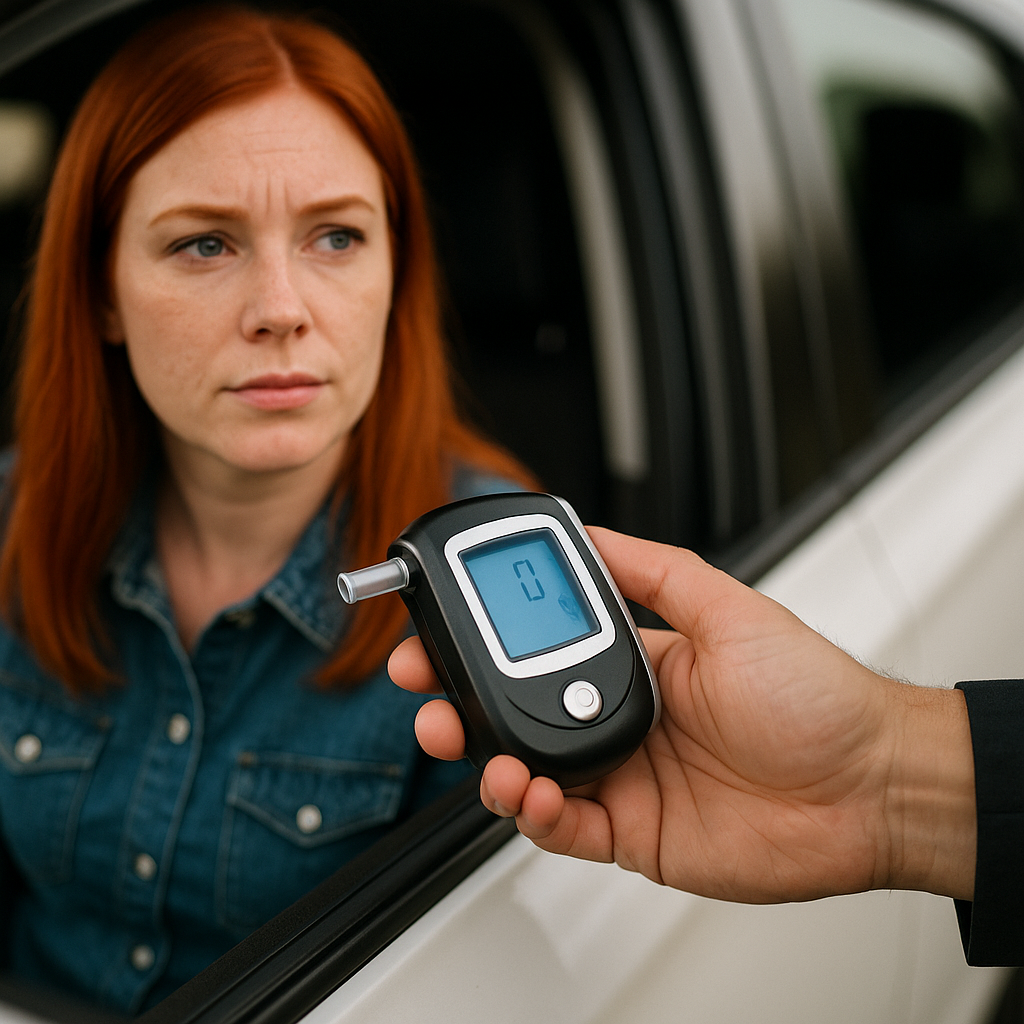
Alabama drivers face a 3-year SR-22 filing requirement after DUI and average rate increases of 80–120%. Most standard carriers non-renew immediately — here's which non-standard insurers write Alabama DUI policies and what you'll pay.
How Alabama's SR-22 Clock Works After DUI
Alabama requires a 3-year SR-22 filing after DUI conviction, but the clock doesn't start when you're convicted — it starts when your license is reinstated. If your license is suspended for 90 days and you wait another 60 days to find coverage and file SR-22, your 3-year filing period begins 150 days after conviction, not on day one. This means your total compliance window stretches to roughly 3 years and 5 months from conviction.
Most drivers assume the SR-22 period runs concurrently with their suspension. It does not. The Alabama Law Enforcement Agency (ALEA) requires continuous SR-22 coverage from reinstatement forward, and any lapse during that period resets the clock to day one. A 30-day coverage gap in year two sends you back to a full 3-year requirement.
The reinstatement process itself adds time. After serving your suspension, you must pay a $125 reinstatement fee, provide proof of insurance with SR-22 filing, and in some cases complete a DUI court referral program before ALEA will restore your driving privileges. The sooner you secure SR-22 coverage after conviction, the sooner your filing clock can begin. Alabama SR-22 insurance requirements SR-22 insurance coverage non-standard auto insurance
What Alabama DUI Does to Your Insurance Rates
A DUI conviction in Alabama typically increases premiums by 80–120% with non-standard carriers, translating to an average monthly cost of $185–$260 for minimum liability coverage with SR-22. Standard carriers like State Farm, Allstate, and GEICO either non-renew at your next policy term or decline to quote entirely once the DUI appears on your Motor Vehicle Report.
Alabama uses a point system for moving violations, but DUI is handled separately. A DUI adds 6 points to your record and those points remain visible to insurers for 5 years, though the SR-22 filing requirement ends after 3. Even after your SR-22 period concludes, the conviction continues to affect your rates until it ages past the 5-year lookback window most carriers use for underwriting.
Rate increases vary by carrier and your underlying risk profile. Drivers with prior violations or at-fault accidents before the DUI often see the high end of the range. Drivers with otherwise clean records may qualify for lower increases with carriers like The General or Acceptance, both of which write Alabama DUI policies and tier pricing based on overall driving history, not just the DUI alone.
Which Carriers Write Alabama DUI Policies
Non-standard carriers dominate the Alabama DUI market. The General, Acceptance Insurance, National General, Bristol West, and Dairyland all actively write policies for drivers with DUI convictions and file SR-22 on your behalf. These carriers specialize in high-risk profiles and price DUI risk into their base rates, meaning they won't non-renew you mid-term for a conviction already on your record when you applied.
Progressive and GEICO occasionally quote DUI drivers in Alabama, but approval is inconsistent and rates often exceed dedicated non-standard carriers. State Farm and Allstate rarely extend offers to drivers with DUI within the first 3 years post-conviction. If you held a policy with a standard carrier at the time of your DUI, expect a non-renewal notice at your next policy term — usually 6 months after conviction.
Alabama also allows surplus lines carriers to write high-risk auto policies, though these are typically reserved for drivers with multiple DUIs or DUI combined with other major violations. Surplus lines policies cost 20–40% more than non-standard admitted carriers and often require higher liability limits than state minimums. For a first-time DUI, an admitted non-standard carrier is almost always the better option.
Shopping across at least three non-standard carriers is critical. Rate spreads for the same DUI driver can exceed $80/month depending on how each carrier weights your conviction, age, vehicle, and zip code. The General may quote $210/month in Birmingham while Acceptance quotes $175 for identical coverage.
Alabama SR-22 Filing Process and Costs
SR-22 is not insurance — it's a certificate your insurer files with ALEA certifying you carry at least Alabama's minimum liability coverage: 25/50/25 ($25,000 bodily injury per person, $50,000 per accident, $25,000 property damage). The carrier files electronically, and ALEA typically processes it within 24–48 hours. Most non-standard insurers charge a one-time filing fee of $15–$50.
You cannot file SR-22 yourself. Only a licensed insurer can submit the form to ALEA on your behalf. If you cancel your policy or let it lapse, the insurer must notify ALEA within 10 days, triggering an automatic license suspension. Reinstatement after a lapse requires a new SR-22 filing, reinstatement fee, and the 3-year clock resets to day one.
Alabama does not allow non-owner SR-22 policies to satisfy DUI filing requirements. You must have a vehicle titled or registered in your name and carry a standard auto policy with SR-22 endorsement. If you sold your car or don't currently own one, you'll need to title a vehicle in your name before you can reinstate your license after DUI.
Some carriers bundle the SR-22 filing into your policy setup at no separate charge. Others itemize it as a policy fee. Always confirm the filing fee in your initial quote — it's a one-time cost, not a recurring monthly charge.
License Reinstatement Steps After Alabama DUI
Alabama DUI triggers an automatic 90-day hard suspension for a first offense, 1 year for a second offense within 5 years, and 3 years for a third. You cannot drive during a hard suspension — no work permits, no hardship licenses. Once the suspension period ends, you must complete the following before ALEA reinstates your license: pay the $125 reinstatement fee, provide proof of SR-22 insurance, complete a DUI court referral program if ordered, and in some cases install an ignition interlock device.
The DUI court referral program is a state-approved alcohol education course, typically 12 hours over 4 weeks, costing $200–$350. Completion certificates must be submitted to ALEA before reinstatement. Ignition interlock is mandatory for second and subsequent DUI offenses and optional for first offenses in some counties as part of a restricted license program during suspension.
Once all requirements are met, ALEA reinstates your license and your SR-22 filing period begins. You will not receive a new physical license — your existing license becomes valid again once the reinstatement is processed. Confirmation typically arrives by mail within 7–10 business days, though you can verify reinstatement status online through the ALEA driver license portal.
If you miss any reinstatement requirement or allow your SR-22 to lapse during the 3-year period, your license suspends again immediately and the process starts over. Set calendar reminders for your policy renewal dates and confirm your insurer has filed updated SR-22 certificates with ALEA each term.
Rate Recovery Timeline for Alabama DUI Drivers
Premiums remain elevated for the full 5-year period the DUI appears on your Motor Vehicle Report, but the steepest surcharges apply during the 3-year SR-22 filing window. Expect rates to drop 15–25% once your SR-22 obligation ends in year three, even though the conviction remains visible. The largest rate improvement happens at the 5-year mark when the DUI falls outside most carriers' underwriting lookback period.
Some standard carriers begin quoting DUI drivers again at year four post-conviction, particularly if no additional violations occurred. Progressive and GEIC typically re-enter consideration at this stage, often with rates 30–50% lower than non-standard carriers. Full rate normalization — meaning you're quoted as a clean-record driver — occurs around year six to seven, depending on the carrier.
Completing a defensive driving course does not remove DUI points or reduce your SR-22 period in Alabama, but some non-standard carriers offer small premium discounts (5–10%) for course completion. The course must be state-approved and completed after your conviction. It's a marginal savings, but worth pursuing if your insurer offers the credit.
Your best rate recovery tool during the SR-22 period is annual shopping. Non-standard carrier pricing is volatile, and the carrier offering the lowest rate in year one may not be competitive in year two. Re-quote your coverage every 12 months across at least three carriers to capture rate improvements as your conviction ages.