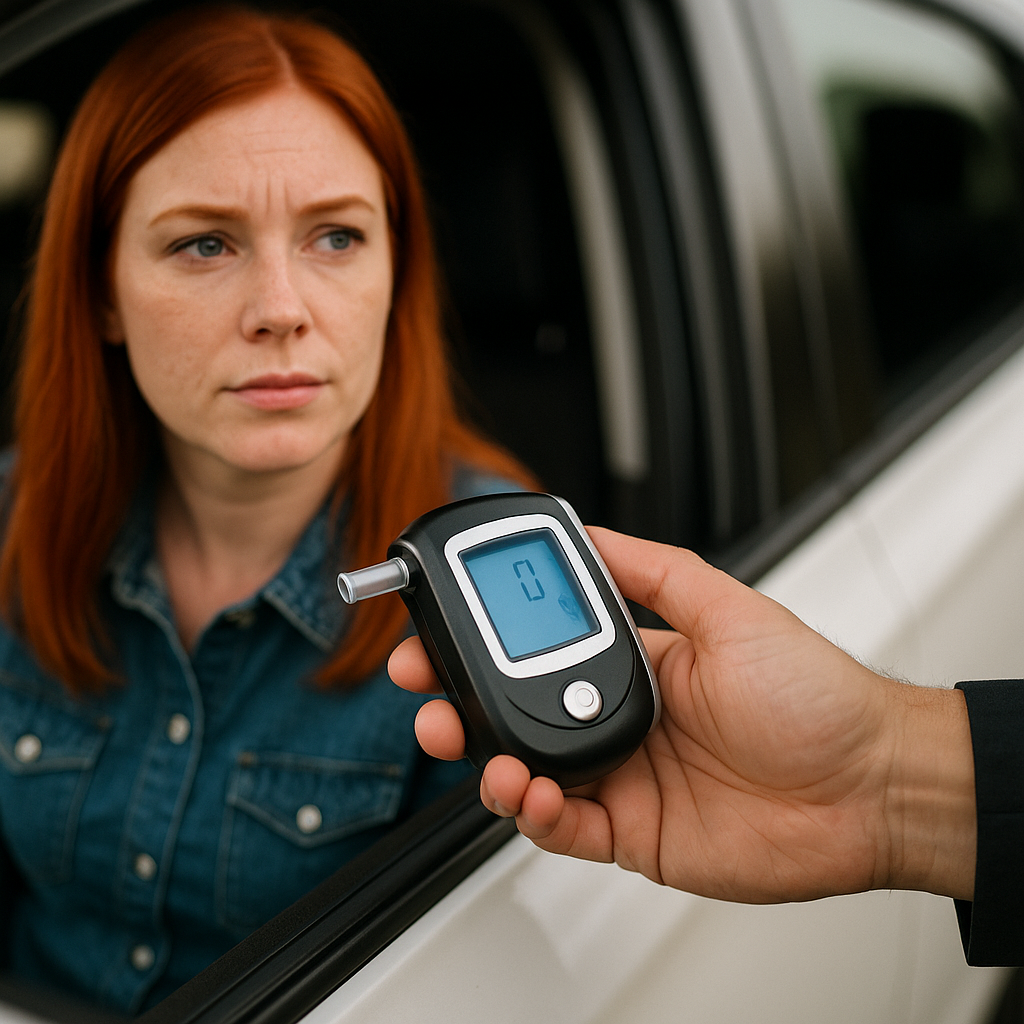
Austin DUI conviction means SR-22 filing for 2 years minimum in Texas and rate increases of 70–130%. Five carriers still write new policies for high-risk drivers in Travis County — here's who they are and what they charge.
Texas SR-22 Filing Requirements After Austin DUI
A DUI conviction in Austin triggers a mandatory SR-22 filing with the Texas Department of Public Safety for 2 years minimum, though courts can extend this to 3 years depending on case specifics and prior offenses. The SR-22 itself costs $15–$25 to file, but the real cost is the insurance premium attached to it — most Austin drivers see their rates jump 70–130% immediately after conviction. Texas does not accept self-certification or bond alternatives; you must carry continuous liability coverage through an SR-22-authorized insurer or face license suspension.
The SR-22 clock starts when your insurer files the certificate with DPS, not when you're convicted. If your current carrier drops you — and most standard carriers will — every day without coverage resets your 2-year requirement and adds license suspension risk. Travis County courts do not grant hardship licenses during DUI suspensions, so securing SR-22 coverage before your suspension period ends is the only path to legal driving. Your court order will specify your exact filing duration; verify this before assuming the standard 2-year term.
Texas DPS monitors SR-22 status continuously. If your insurer cancels your policy or you drop coverage voluntarily, they notify DPS within 10 days and your license suspends immediately. Reinstating after an SR-22 lapse requires paying a $125 reinstatement fee to DPS, refiling a new SR-22, and often restarting your full 2-year filing period from scratch. Most Austin DUI drivers cannot afford a coverage gap — the cascading penalties turn a temporary lapse into months of additional filing requirements and hundreds in fees. Texas SR-22 requirements SR-22 insurance
Which Carriers Still Write DUI Policies in Austin
Five non-standard carriers actively write new policies for Austin DUI drivers: The General, Acceptance Insurance, Gainsco, Dairyland, and National Liability & Fire. These are not budget carriers — they specialize in high-risk coverage and price accordingly — but they will issue a policy where Progressive, State Farm, and GEICO will not. Rate differences between these five carriers can reach $150–$300/month for identical coverage, making multi-carrier quotes essential. A 35-year-old Austin driver with a DUI might pay $240/month with The General and $420/month with National Liability & Fire for the same state-minimum SR-22 policy.
Standard carriers like Allstate and Nationwide do not automatically drop all DUI drivers, but they rarely write new policies for fresh convictions. If you held a policy before your DUI and your carrier chose to renew you, staying with them may be your lowest-cost option — but expect a 70–100% rate increase at renewal. Once that policy ends or you switch carriers, you enter the non-standard market for at least 3–5 years. Most Austin DUI drivers shopping for new coverage will route through a non-standard carrier first.
Brokers with access to multiple non-standard carriers deliver the widest rate range. A direct quote from The General's website shows one price; a broker pulling quotes from The General, Acceptance, and Gainsco simultaneously might find $80–$120/month in savings. Non-standard carriers do not advertise heavily, and their underwriting criteria vary — one may decline a DUI with a prior at-fault accident while another writes the policy at standard high-risk rates. Shopping a single carrier after an Austin DUI leaves money on the table. non-standard auto insurance
What Austin DUI Drivers Actually Pay for SR-22 Coverage
Austin drivers with a DUI and SR-22 filing pay $180–$450/month for state-minimum liability coverage (30/60/25 in Texas), depending on age, prior violations, zip code, and carrier. A 28-year-old in East Austin with no prior violations might see quotes around $210/month; a 50-year-old in South Austin with a prior speeding ticket could pay $380/month for the same coverage. Full coverage with comprehensive and collision adds $100–$200/month on top of liability-only rates, but most DUI drivers cannot afford it and Texas does not require it unless you carry a loan.
Your rate drops significantly once your SR-22 filing period ends, but not immediately. Carriers reprice your policy based on how long the DUI has aged on your record — 3 years post-conviction typically opens access to mid-tier carriers, and 5 years post-conviction qualifies you for standard rates with most major insurers. A DUI stays on your Texas driving record for 7 years, but its rate impact diminishes after year 3. Most Austin drivers see their premiums cut by 30–50% at the 3-year mark even if the conviction remains visible to insurers.
State-minimum coverage (30/60/25) is the baseline for SR-22 compliance in Texas, but it leaves you exposed to significant out-of-pocket costs if you cause an accident. A multi-car accident on I-35 with $80,000 in medical bills exceeds your $60,000 per-accident bodily injury limit, and you pay the difference. Increasing to 50/100/50 coverage adds $40–$70/month for most Austin DUI drivers but cuts your financial exposure in half. Weigh the premium increase against your asset risk — if you own a home or have significant savings, higher limits protect you from lawsuit judgments that exceed your policy cap.
How Long DUI Rate Increases Last in Texas
A DUI conviction increases your Austin car insurance rates for 3–5 years on average, though the DUI remains on your Texas driving record for 7 years. Carriers reprice your policy annually, and most reduce your surcharge incrementally as the conviction ages. Year 1 post-DUI is your highest rate; year 2 sees a 10–15% drop; year 3 often cuts your premium by 30–40% as mid-tier carriers become available. By year 5, your rate approaches clean-record pricing if you maintain continuous coverage and avoid new violations.
Your SR-22 filing requirement ends after 2 years (or 3 if court-ordered), but your DUI surcharge continues beyond that. The SR-22 itself does not increase your rate — it is the underlying DUI conviction that triggers the premium jump. Removing the SR-22 filing after your 2-year term ends will not lower your rate; you are still a DUI driver in the carrier's underwriting system. Rate relief comes from time passage and clean driving, not from SR-22 removal.
Switching carriers every 12–18 months accelerates rate recovery for Austin DUI drivers. Non-standard carriers like The General or Acceptance may offer your lowest rate in year 1, but mid-tier carriers like Bristol West or Kemper often beat them by year 3. Shopping your policy at each renewal ensures you catch the transition window when higher-tier carriers begin accepting your risk. Loyalty to a single non-standard carrier after a DUI costs most Austin drivers $400–$800/year in avoidable premium.
Steps to Take Immediately After an Austin DUI Conviction
Contact a non-standard insurance broker or multi-carrier quote tool within 48 hours of your conviction. Your current carrier will likely non-renew your policy or cancel it outright, and you need replacement coverage before your SR-22 filing deadline to avoid license suspension. Brokers with access to The General, Acceptance, Gainsco, Dairyland, and National Liability & Fire can pull 4–5 quotes in one session and surface the lowest rate available in Travis County. Waiting until your current policy cancels compresses your shopping window and forces you to accept the first quote you receive.
Verify your exact SR-22 filing duration from your court order or DPS suspension notice before purchasing a policy. Most Austin DUI drivers assume 2 years, but courts routinely extend this to 3 years for repeat offenses or aggravating factors like high BAC or accident involvement. Filing an SR-22 for 2 years when your requirement is 3 years creates a compliance gap that suspends your license and restarts your clock. Confirm the term directly from your legal paperwork, not from online estimates or insurer assumptions.
Enroll in a state-approved defensive driving course if your court order allows it — Texas courts sometimes reduce DUI penalties or filing periods for drivers who complete education programs voluntarily. Even if it does not shorten your SR-22 term, some non-standard carriers offer 5–10% discounts for completing a defensive driving course within 12 months of conviction. The course costs $25–$75 and takes 6 hours; the insurance discount can save you $15–$30/month, recovering the cost in 2–3 months and continuing for the life of your policy.
Why Austin DUI Rates Vary So Much by Zip Code
Austin DUI insurance rates vary by $60–$120/month between zip codes due to localized accident frequency, theft rates, and uninsured driver density. A DUI driver in 78701 (downtown) typically pays 20–30% more than a driver in 78739 (Southwest Austin) for identical coverage because downtown sees higher collision and comprehensive claim rates. Non-standard carriers price these hyperlocal risk factors aggressively — your address matters as much as your DUI when calculating your premium.
Zip codes with higher uninsured motorist rates increase your collision risk even if your driving is clean. Travis County has an estimated uninsured driver rate of 12–15%, concentrated in East Austin and North Austin zip codes. If an uninsured driver hits you, your liability-only SR-22 policy will not cover your vehicle repairs, and your non-standard carrier cannot subrogate against an uninsured at-fault party. Carriers price this risk into your premium; drivers in high-uninsured-density areas pay more even if their own record is identical to a driver in a low-density zip code.
Moving zip codes mid-policy can reprice your premium immediately. If you relocate from 78758 to 78732 while holding an SR-22 policy, notify your carrier — your rate may drop $40–$80/month based on the new address alone. Most Austin DUI drivers do not realize zip code changes trigger repricing and miss an opportunity to cut their premium without switching carriers. Confirm your current address is accurate in your policy documents; outdated addresses inflate your rate and can void claims if the carrier discovers the discrepancy.