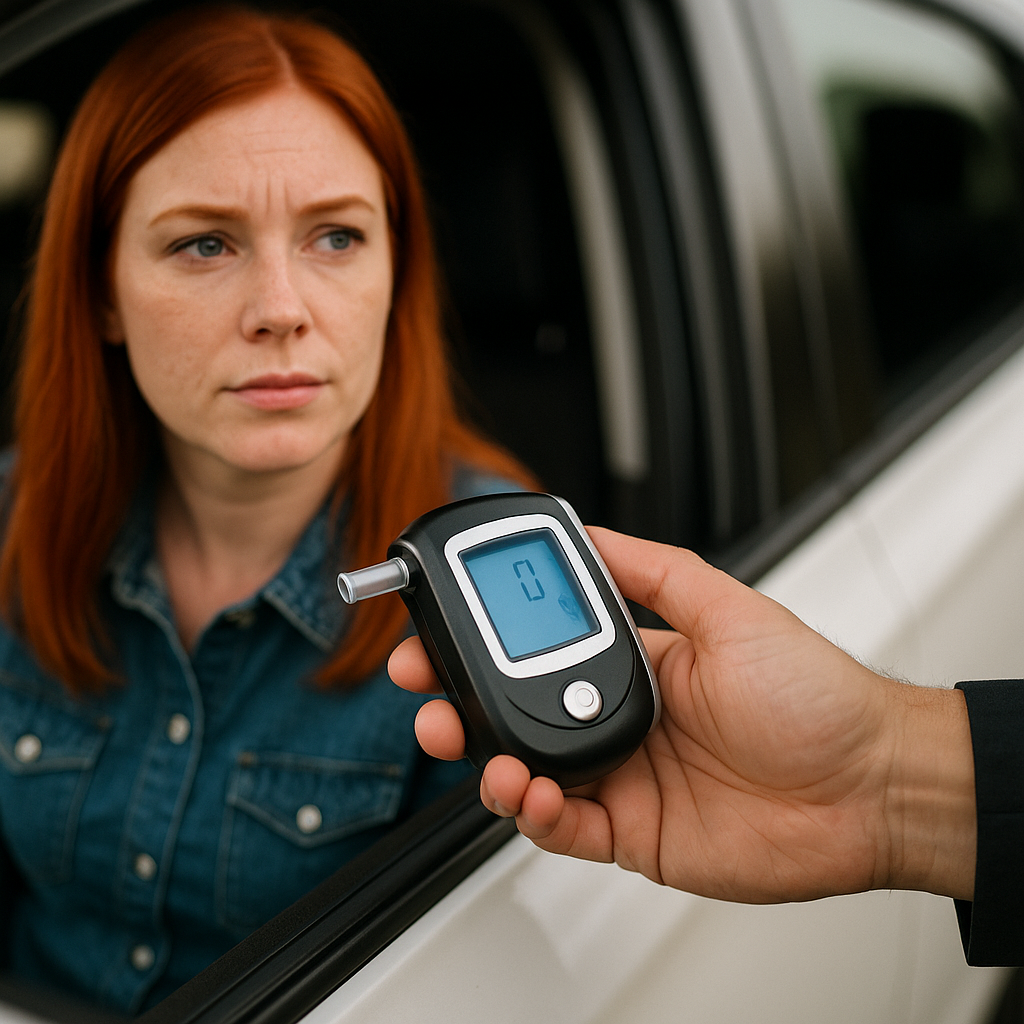
A DUI in Buffalo triggers a 3-year SR-22 requirement and rate increases averaging 80–120%, but six national and regional carriers actively write New York high-risk policies — and not all price DUIs the same way.
New York SR-22 Requirement and Filing Timeline After a DUI
A DUI conviction in New York triggers an automatic 3-year SR-22 filing requirement starting from your license reinstatement date, not your conviction date. The New York DMV requires continuous SR-22 coverage with no lapses — a single day of coverage interruption restarts your 3-year clock from zero. Your insurer files the SR-22 form electronically with the DMV, typically within 24–48 hours of policy binding, and charges a one-time filing fee ranging from $25 to $75 depending on carrier.
Buffalo drivers face an additional layer: New York suspends your license for a minimum of 6 months after a first-offense DUI, and you cannot file SR-22 until you've completed your suspension period and paid the $100 DMV civil penalty plus a $250 re-licensing fee. This means most Buffalo DUI drivers are looking at 8–10 months between arrest and reinstatement when factoring in court processing time, suspension duration, and DMV administrative delays.
The SR-22 itself is not insurance — it's a certificate proving you carry at least New York's minimum liability coverage of 25/50/10 ($25,000 bodily injury per person, $50,000 per accident, $10,000 property damage). Most carriers writing post-DUI policies in Buffalo require you to carry higher limits, typically 50/100/25 or 100/300/50, because minimum coverage leaves you financially exposed in any serious accident and increases the carrier's risk profile. New York SR-22 requirements SR-22 insurance coverage
Rate Increases in Buffalo: What a DUI Actually Costs
Buffalo DUI drivers see rate increases ranging from 80% to 120% over their pre-violation premium, with the exact multiplier depending on your age, prior driving record, and which carrier you choose. A 35-year-old Buffalo driver paying $140/month before a DUI typically jumps to $250–$310/month after reinstatement, assuming they find a carrier willing to write them. Younger drivers under 25 face steeper increases — often 130–150% — because they're already in a statistically higher-risk category before adding the DUI.
These rate increases persist for the full 3-year SR-22 period in most cases, though some carriers begin reducing the DUI surcharge after year two if you maintain a clean record. Progressive and GEICO — the two most active non-standard writers in Buffalo — typically hold the DUI surcharge at full weight for 36 months, then drop it by 50–70% in year four, with full removal at the 5-year mark from conviction date.
Annual costs matter here: a Buffalo driver paying $3,600/year post-DUI will spend roughly $10,800 over the 3-year SR-22 period compared to $5,040 they would have paid with a clean record — a difference of $5,760 attributable solely to the DUI. This is why carrier shopping is critical: a 15% rate difference between two carriers writing DUI policies translates to $1,620 in savings over three years.
Which Carriers Still Write DUI Policies in Buffalo
Six carriers actively write post-DUI policies in Buffalo and surrounding Erie County: Progressive, GEICO, Bristol West (a Farmers subsidiary), Dairyland, The General, and National General. Progressive and GEICO control roughly 60% of the Buffalo non-standard market and typically offer the most competitive rates for first-offense DUI drivers with otherwise clean records. Bristol West and Dairyland focus on higher-risk profiles — drivers with multiple violations, suspended licenses, or DUIs combined with at-fault accidents — and price accordingly, often 20–35% higher than Progressive or GEICO.
The General and National General serve as last-resort carriers for Buffalo drivers who cannot qualify elsewhere, including those with multiple DUIs, refusals, or significant lapses in coverage. Rates from these carriers often exceed $400/month for minimum SR-22 coverage, but they maintain the most lenient underwriting guidelines in the state.
Most major carriers — State Farm, Allstate, Liberty Mutual, Nationwide — will not write new policies for DUI drivers in New York, though they may retain existing customers who get a DUI while already insured, typically moving them to a non-standard subsidiary at renewal. This is why shopping after reinstatement is essential: your current carrier will almost certainly non-renew you or move you to their highest-cost tier, while a direct approach to Progressive or GEICO may yield a lower rate from the start. non-standard auto insurance
High-Risk Driver Classification and How Long It Lasts
New York considers you a high-risk driver for 5 years from your DUI conviction date, not your reinstatement date. The SR-22 filing requirement ends after 3 years, but carriers continue surcharging your premium for the full 5-year period because the DUI remains visible on your motor vehicle record (MVR) and affects actuarial risk calculations. This creates a gap period in years four and five where you no longer need SR-22 but still pay elevated rates.
Buffalo drivers should request an MVR abstract from the New York DMV annually starting in year four to confirm when the DUI drops off. The DMV charges $10 for an MVR and processes requests within 7–10 business days. Once the DUI falls off your record at the 5-year mark, you can re-shop for standard coverage and typically see your rate drop 40–60% immediately, assuming no additional violations during the high-risk period.
Some carriers accelerate your return to standard rates if you complete a DMV-approved Impaired Driver Program (IDP) and maintain a violation-free record for 3 consecutive years. Progressive specifically offers a "step-down" program for Buffalo drivers who meet these criteria, reducing the DUI surcharge by 25% in year four and another 25% in year five, even before the conviction falls off your record.
What Buffalo DUI Drivers Should Do Immediately
Start shopping for SR-22 coverage 30–45 days before your license reinstatement date. Most carriers require 3–7 days to process a non-standard application, underwrite your risk, and file the SR-22 with the DMV, and you cannot legally drive until the DMV confirms receipt of your SR-22 filing. Waiting until the day of reinstatement creates a gap where you're eligible to drive but cannot obtain legal coverage in time.
Get quotes from at least three of the six active carriers listed above. Rate variation for the same Buffalo driver with the same DUI can exceed 40% between carriers because each uses different actuarial models for non-standard risk. A driver quoted $285/month by Bristol West may receive a $195/month quote from Progressive for identical coverage — a difference of $3,240 over the 3-year SR-22 period.
Consider higher liability limits than the state minimum. New York's 25/50/10 minimums are functionally inadequate in any serious accident, and most post-DUI carriers in Buffalo price 50/100/25 coverage only 8–12% higher than minimums. The additional cost — typically $15–$25/month — protects you from out-of-pocket liability exposure that could reach six figures in a severe injury accident, and some carriers offer modest discounts for higher limits because it signals financial responsibility.
Rate Recovery Timeline and What Affects It
Your post-DUI rate begins declining in year four, drops significantly at the 5-year mark when the conviction falls off your MVR, and reaches near-standard levels by year six if you maintain a clean record. A Buffalo driver paying $290/month immediately post-DUI can expect to pay roughly $260/month in year four, $175/month in year six, and $140/month by year seven — a full return to pre-DUI rates.
Two factors accelerate this timeline: completing an IDP course and avoiding any additional violations. New York courts often require IDP completion as part of DUI sentencing, but even if not court-ordered, voluntary completion signals rehabilitation to carriers and can trigger earlier surcharge reductions. A second violation during your SR-22 period — even a minor speeding ticket — extends your high-risk classification and can double your premium overnight because it demonstrates pattern risk rather than isolated incident.
Annual re-shopping during the high-risk period also drives rate improvement. Carriers reassess non-standard drivers every 6–12 months, and your risk profile improves with each violation-free month. A Buffalo driver who stays with their initial post-DUI carrier for the full 5 years often pays 25–40% more than a driver who re-shops annually, because competing carriers offer lower intro rates to attract stable high-risk drivers away from their current insurer.