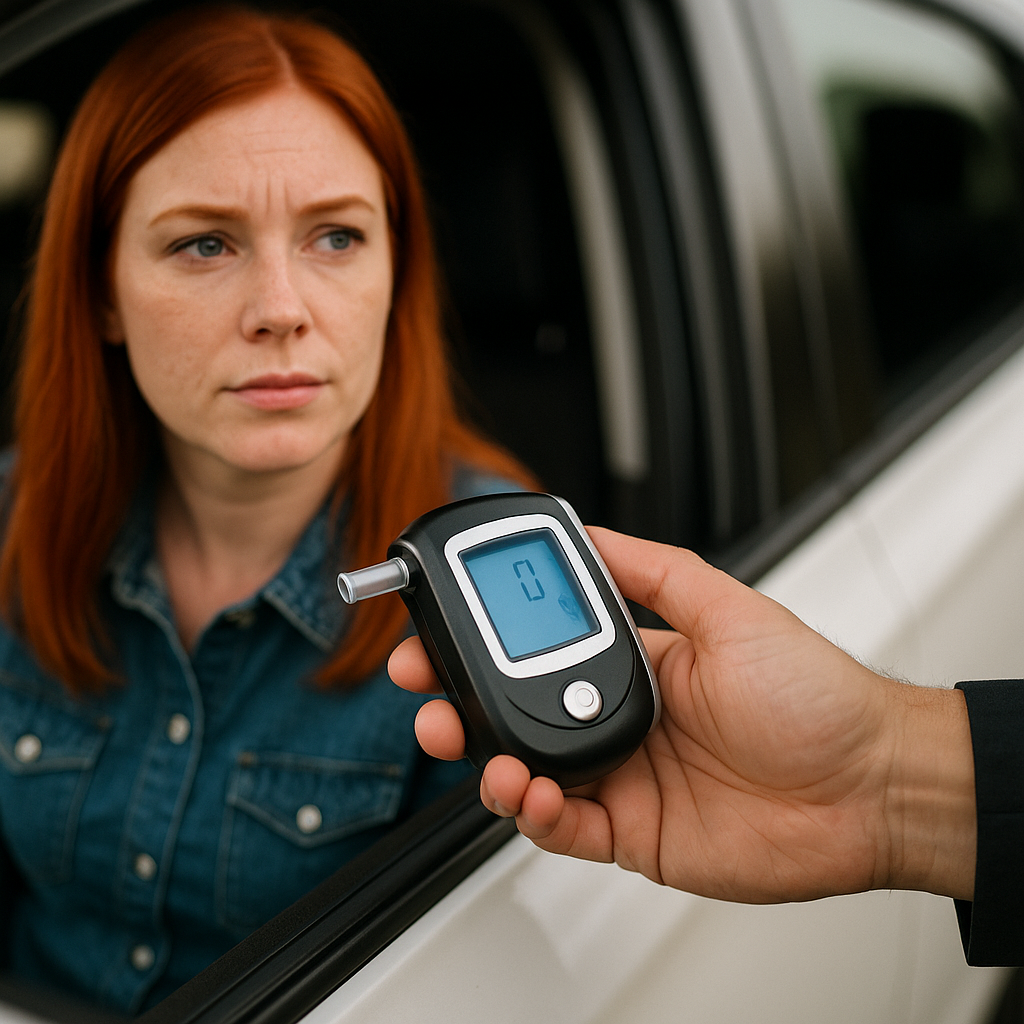
After a DUI in Colorado, you'll need SR-22 filing, face rates 2–3x higher, and lose access to most standard carriers. Here's which non-standard insurers write DUI policies in Colorado and what you'll actually pay.
What a DUI Does to Your Insurance Access in Colorado
A DUI in Colorado triggers mandatory SR-22 filing for two years from your reinstatement date, not from your conviction date. Most drivers misunderstand this timing — if you wait six months to reinstate, you're still filing for two full years after that. The SR-22 itself costs $15–$25 to file, but the real financial impact is the carrier shift: standard insurers like State Farm, Allstate, and USAA either non-renew DUI drivers outright or price them out with 150–250% rate increases.
You'll move into the non-standard market, where carriers specialize in high-risk profiles and price accordingly. Average full coverage premiums for a DUI driver in Colorado run $2,400–$4,200 annually, compared to $1,400–$1,800 for a clean record. Liability-only policies drop that range to $1,200–$2,000 per year, but you'll still pay double or more than you did before the conviction.
Colorado also requires an ignition interlock device for most DUI convictions — minimum two months for a first offense, longer for elevated BAC or repeat offenses. Device installation runs $75–$150, monthly monitoring costs $60–$90, and removal is another $75–$100. These costs stack on top of your insurance increases and SR-22 filing, creating a compliance budget most drivers underestimate by $500 or more in the first year. non-standard auto insurance
Which Non-Standard Carriers Write DUI Policies in Colorado
Non-standard carriers operate differently than the brands you're used to. They accept DUI risk, but they price it aggressively and often require full payment upfront or larger down payments. The most commonly available carriers for DUI drivers in Colorado include The General, Acceptance Insurance, Dairyland, Bristol West, and National General. Regional specialists like American Family and Farmers sometimes write DUI policies through their non-standard divisions, but availability varies by ZIP code and underwriting appetite.
Not all non-standard carriers offer the same coverage options. Some restrict you to state minimum liability limits ($25,000 per person, $50,000 per accident, $15,000 property damage in Colorado) for the first six to twelve months post-conviction. Others allow full coverage immediately but charge 20–40% more for comprehensive and collision than competitors. Rate variation between carriers for the same DUI profile routinely exceeds $1,000 annually, which makes shopping multiple quotes the single highest-value action you can take.
Some carriers — particularly The General and Acceptance — specialize in same-day SR-22 filing and can bind coverage within hours if you need immediate reinstatement. Others take 3–5 business days to process SR-22 submissions to the Colorado DMV. If you're on a reinstatement deadline, confirm SR-22 filing speed before you buy the policy.
What You'll Actually Pay: Colorado DUI Rate Breakdown
Rates vary by age, location, coverage level, and how long it's been since your conviction, but the following ranges reflect what most DUI drivers in Colorado pay in the non-standard market. For a 30-year-old male driver in Denver with a single DUI and state minimum liability, expect $100–$175 per month. Full coverage for the same profile runs $200–$350 per month. If you're under 25 or have additional violations, add another 30–50% to those figures.
Colorado's urban-rural split affects rates significantly. Drivers in Colorado Springs, Fort Collins, and Aurora see premiums 10–20% lower than Denver due to reduced accident frequency and theft risk. Rural drivers in counties like Mesa or Pueblo can sometimes access rates 25–30% below metro Denver, though carrier availability narrows outside Front Range ZIP codes.
Your rate drops incrementally as the DUI ages off your insurance record. Most carriers look back three to five years — you'll see your first meaningful rate decrease at the two-year mark, when SR-22 filing ends and some standard carriers begin considering you again. By year four, your DUI surcharge typically drops by 40–60%, and by year five, you may qualify for standard rates again if no additional violations occur. That timeline assumes continuous coverage with no lapses — a single gap restarts your SR-22 filing clock and extends your time in the non-standard market.
SR-22 Filing Mechanics and Interlock Cost Reduction
Colorado requires your insurer to file an SR-22 certificate electronically with the DMV, confirming you carry at least state minimum liability coverage. If your policy cancels or lapses for any reason, the insurer notifies the DMV within 24 hours, and your license suspends again immediately. You'll need to refile SR-22, pay a new reinstatement fee, and restart your two-year filing period from scratch.
The SR-22 filing itself is inexpensive — $15–$25 one-time with most carriers — but some non-standard insurers charge annual SR-22 fees of $25–$50, which adds up over the two-year requirement. Confirm whether your carrier charges once or annually before binding coverage.
Colorado contracts with specific ignition interlock vendors, but you're not required to use the state's contracted network. Private providers like Intoxalock, LifeSafer, and Smart Start often charge $10–$20 less per month than state-contracted vendors, and some waive installation fees for low-income drivers or offer payment plans. Over a two-year SR-22 period, switching to a lower-cost interlock provider can save $240–$480 — a meaningful offset to your insurance increase. Confirm any private provider is approved by the Colorado DMV before installation, or your reinstatement will be delayed. Colorado SR-22 requirements and filing rules how SR-22 insurance works
How to Get Coverage Faster and Reduce Your Rate Over Time
If you need insurance immediately, focus on carriers that offer same-day SR-22 filing and can bind coverage online or over the phone. The General, Acceptance, and Bristol West all support rapid quoting and electronic SR-22 submission. Have your driver's license number, conviction date, and current address ready — underwriting moves faster when your application is complete upfront.
Once you're insured, your primary rate reduction strategy is time and consistency. Maintain continuous coverage without lapses, pay premiums on time, and avoid any new violations. Most non-standard carriers offer modest discounts — 5–10% — for completing a defensive driving course, but confirm the course is state-approved and the discount applies to DUI policies before enrolling. Some carriers exclude DUI drivers from safe-driver discounts for the first 12–24 months post-conviction.
Reshop your rate every six months. Non-standard carriers adjust risk pricing frequently, and a carrier that quoted you $250/month at reinstatement may drop to $180/month at your one-year mark while a competitor stays flat. Switching carriers mid-SR-22 period is allowed — your new insurer files an updated SR-22 certificate, and there's no gap as long as the new policy starts before the old one cancels. Loyalty costs you money in the non-standard market; plan to switch at least once during your filing period.
Once your SR-22 period ends, request removal from your insurer and reshop immediately. You may now qualify for standard carriers again, which typically offer 30–50% lower rates than non-standard competitors. If you're still priced out of the standard market, stay in non-standard but requote aggressively — carriers treat post-SR-22 drivers as lower risk, and you'll often see a meaningful rate drop without switching insurers.