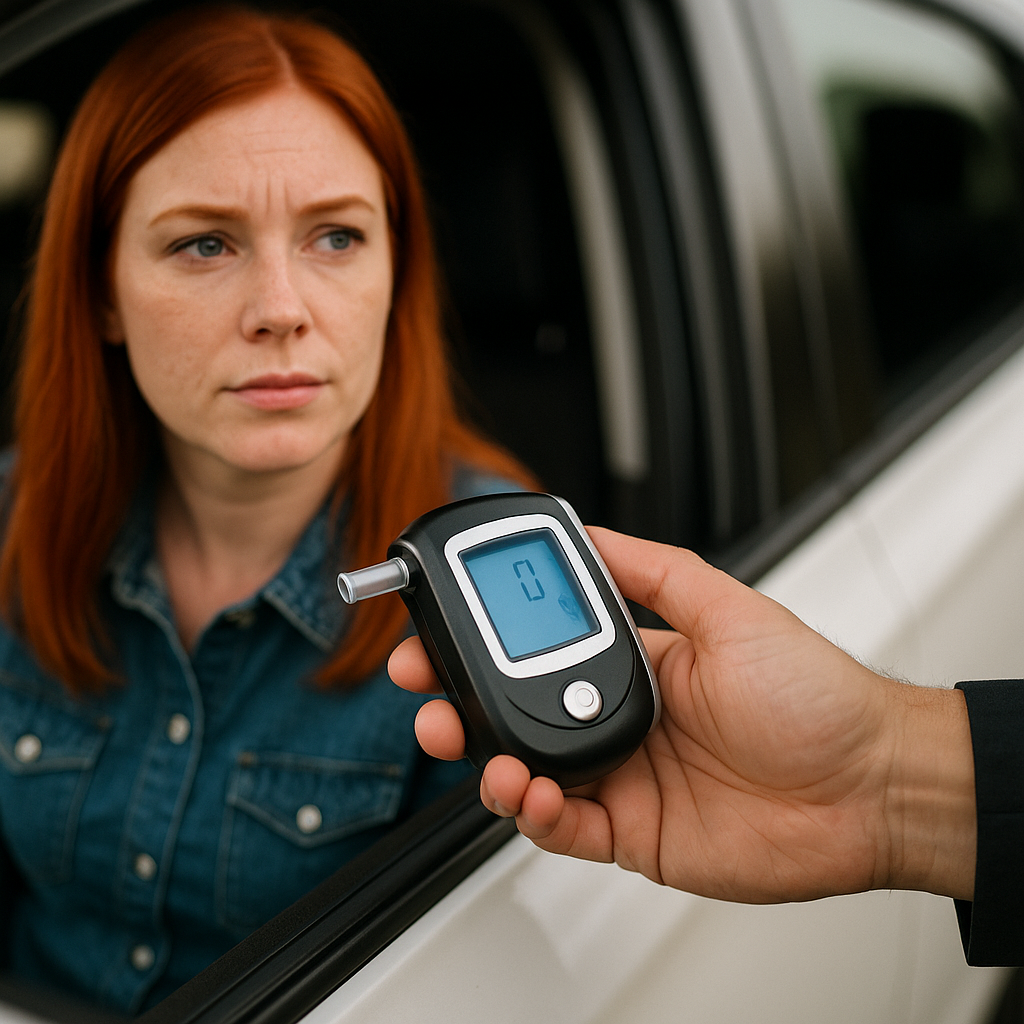
A DUI in Corpus Christi triggers a 3-year SR-22 requirement and rate increases averaging 80–140%, but a dozen carriers still write policies in Nueces County for drivers with DWI convictions.
What a DUI Does to Your Insurance Status in Corpus Christi
A DUI conviction in Corpus Christi triggers an immediate SR-22 filing requirement from the Texas Department of Public Safety. You'll need continuous SR-22 coverage for 3 years from your conviction date, not your license reinstatement date. If your policy lapses for any reason during that period, your insurer notifies DPS within 10 days and your license is suspended again until you refile.
Most drivers see rate increases between 80% and 140% after a DUI in Nueces County, depending on their carrier and prior record. A driver paying $140/month before a DWI conviction typically sees premiums jump to $250–$340/month with SR-22. That rate stays elevated for the full 3-year filing period and begins dropping only after the SR-22 is released and the conviction ages past the 3-year mark on your driving record.
Not every carrier will continue your policy after a DUI. Standard carriers like USAA, State Farm, and Allstate routinely non-renew DUI drivers in Texas at the next policy term. If you're dropped, you need a non-standard carrier willing to write SR-22 policies for drivers with alcohol-related convictions. Corpus Christi has access to roughly a dozen such carriers operating in Nueces County, more than you'll find in smaller Texas cities but fewer than Dallas or Houston metro areas. non-standard auto insurance
Which Carriers Write SR-22 Policies for DUI Drivers in Nueces County
Non-standard carriers actively writing SR-22 policies for DUI drivers in Corpus Christi include The General, Direct Auto, Acceptance Insurance, Dairyland, Bristol West, Gainsco, and Progressive's non-standard division. National General, Titan, and Kemper also write high-risk policies in Nueces County but may require clean driving beyond the DUI depending on how many violations are stacked on your record.
Corpus Christi benefits from its location between San Antonio and the Rio Grande Valley. Carriers that maintain underwriting offices in those regions often extend coverage down the coast, giving you more options than you'd find in Lubbock, Amarillo, or smaller West Texas cities. That geographic advantage matters most when shopping rates — the spread between the highest and lowest quote for the same DUI driver in Nueces County typically runs $80–$120/month.
Local independent agents in Corpus Christi who specialize in high-risk placements often have access to regional carriers that don't advertise directly to consumers. These include Texas-specific non-standard insurers like Confie-affiliated carriers and Southwest-region specialists. If you're comparing only the four or five carriers with storefront offices on SPID or Alameda, you're missing half the market and likely overpaying by 30% or more. Texas SR-22 requirements
How Long the SR-22 Requirement Lasts and What Happens When It Ends
Texas DPS requires SR-22 filing for 3 years from your DUI conviction date in most cases. That timeline is set by statute for a first-offense DWI. If you had prior alcohol-related violations or your DUI involved an accident with injury, the court may extend the SR-22 period to 5 years, but that's noted in your reinstatement paperwork from DPS.
Your SR-22 filing period does not pause if your license is suspended for another reason during those 3 years. If you pick up a second DUI or fail to pay a surcharge, the original 3-year clock keeps running as long as you maintain continuous SR-22 coverage. Letting your policy lapse resets nothing — it only suspends your license again and requires you to refile before reinstatement.
Once you've completed the full 3-year SR-22 period with no lapses, your insurer files an SR-26 form with DPS confirming the requirement is satisfied. At that point, you can shop for standard coverage again, though your DUI will still appear on your driving record and affect your rates for up to 3 more years. Most carriers look back 5 years for DUI surcharges, so expect elevated premiums for roughly 6 years total — 3 years under SR-22 and 3 years post-filing as the conviction ages off.
What SR-22 Filing Costs in Corpus Christi and How It's Billed
The SR-22 filing fee in Texas is typically $25–$50, paid once when your insurer submits the form to DPS. Some carriers roll that fee into your first month's premium, others bill it separately. The fee is not recurring — you pay it once per filing, not annually.
Your actual premium increase comes from the DUI conviction itself, not the SR-22 form. Carriers classify you as high-risk based on the alcohol-related offense, and that triggers the rate jump. The SR-22 is simply the proof-of-insurance certificate DPS requires to monitor your compliance. Removing the SR-22 requirement after 3 years doesn't automatically lower your premium — you need to shop for a new policy with a standard carrier once the filing period ends.
Some non-standard carriers in Corpus Christi require 6-month policies paid in full, others allow monthly billing. If you're on a tight budget, ask about payment plans before binding coverage. Missing a payment triggers a lapse notice to DPS, which suspends your license within 10–15 days. Reinstatement after a lapse requires a new SR-22 filing, a $100 reinstatement fee to DPS, and potentially a new down payment to your insurer. SR-22 insurance
How to Compare Quotes and Avoid Overpaying After a DUI
The single highest-leverage action you can take after a DUI in Corpus Christi is comparing quotes from at least 5–7 non-standard carriers. Rate spreads for the same driver with the same DUI conviction routinely vary by $1,000–$1,500 per year across carriers in Nueces County. One carrier may quote you $320/month while another quotes $210/month for identical state-minimum SR-22 coverage.
Don't assume the carrier that gave you the best rate before your DUI will still be competitive after. Standard carriers that keep you post-DUI often apply maximum surcharges because they don't specialize in high-risk underwriting. Non-standard carriers price DUI risk more precisely, and their rates reflect that specialization. A carrier like The General or Dairyland may beat your current insurer by 40% or more because DUI drivers are their core business.
If you're comparing quotes online, make sure the quote tool includes SR-22 filing capability and non-standard carriers. Many comparison sites show only standard carriers and won't return rates for drivers with DUI convictions. Independent agents in Corpus Christi who specialize in SR-22 placements can shop your profile across 10+ carriers in one call, which saves time and usually uncovers options you won't find searching on your own.
Texas-Specific Rules That Affect Your Coverage After a DUI
Texas does not require DUI offenders to carry higher liability limits than other drivers — state minimum coverage is 30/60/25, meaning $30,000 per person for injury, $60,000 per accident, and $25,000 for property damage. Your SR-22 filing certifies you're maintaining at least those minimums. Some carriers require you to buy higher limits as a condition of writing the policy, but that's a company underwriting rule, not a state law.
Texas DPS does not require an ignition interlock device for first-offense DWI unless your blood alcohol content was 0.15% or higher, or a child under 15 was in the vehicle. If you do have an interlock requirement, expect your insurer to ask for proof of installation before binding SR-22 coverage. Some carriers won't write policies for drivers under active interlock orders, which narrows your carrier pool further.
Texas is a tort state, meaning if you cause an accident while under SR-22, the other party can sue you for damages exceeding your liability limits. That makes liability coverage above state minimums worth considering even if you're trying to minimize costs. A 50/100/50 policy typically costs $20–$40/month more than 30/60/25 and provides significantly better protection if you're at fault in a serious accident during your SR-22 period.