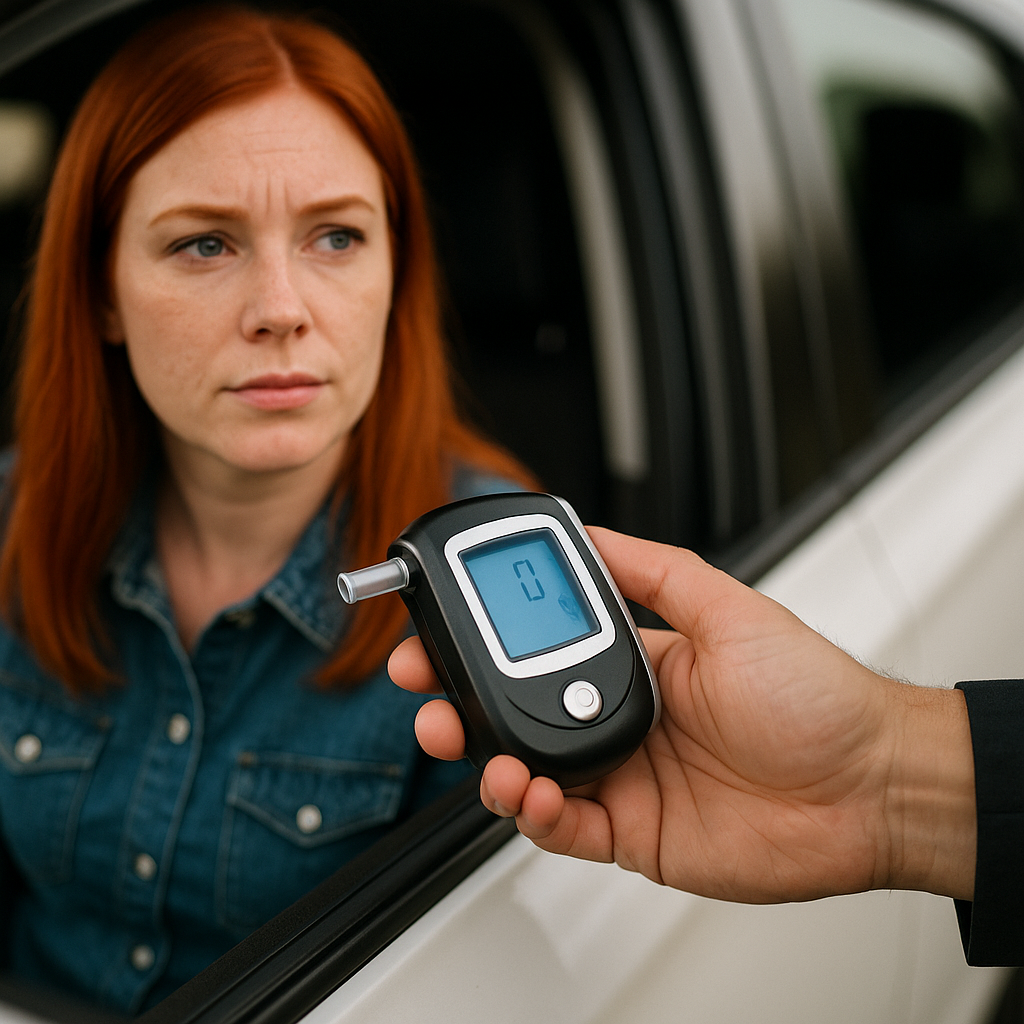
Denver DUI drivers face 3-year SR-22 filing and 70–130% rate increases, but several carriers in Colorado still write high-risk policies without requiring a clean record first.
Colorado SR-22 Filing Requirements After a Denver DUI
Colorado requires 3 years of continuous SR-22 filing after a DUI conviction, license suspension for driving under the influence, or refusal to submit to chemical testing. The SR-22 is not insurance — it's a certificate your insurer files with the Colorado Division of Motor Vehicles proving you carry at least the state minimum liability coverage: $25,000 per person/$50,000 per accident for bodily injury and $15,000 for property damage. If your policy lapses or cancels during the 3-year period, your insurer notifies the DMV within 10 days and your license is suspended again until you refile.
The filing itself costs $15–$50 depending on your insurer, but the real expense is the premium increase. A DUI in Colorado typically raises your insurance rate by 70% to 130% compared to your pre-conviction rate, according to data from the Insurance Information Institute. If you were paying $120/month before your DUI, expect $200–$275/month with SR-22 filing required. That's the average — some drivers see higher increases depending on age, prior violations, and carrier underwriting.
Colorado does not mandate a waiting period between conviction and SR-22 eligibility. You can secure coverage and file the SR-22 the same day you're ordered to do so, which means the clock on your 3-year requirement starts immediately. Delays in finding a carrier willing to write you extend the backend of your filing period — a critical detail most drivers miss. Colorado SR-22 insurance requirements SR-22 insurance
Which Carriers Write DUI Drivers in Denver Without a Waiting Period
Several non-standard and standard carriers operating in Colorado will write policies for DUI drivers without requiring a clean record or waiting period. Progressive, The General, Bristol West, Dairyland, and National General are the most commonly available options for Denver drivers needing SR-22 filing after a DUI. These carriers specialize in high-risk profiles and quote immediately after conviction — you do not need to wait 30, 60, or 90 days to apply.
Progressive writes a significant share of Colorado's SR-22 market and will quote online even with a recent DUI on your record. The General and Bristol West focus exclusively on non-standard risk and often return the most competitive rates for drivers with major violations. Dairyland and National General operate through independent agents and may offer slightly lower premiums depending on your zip code and claims history. All five will file the SR-22 on your behalf as part of policy activation — you do not file it separately.
Some drivers assume they need to secure the SR-22 before shopping for insurance. The opposite is true: you shop for a carrier willing to insure you, purchase the policy, and the carrier files the SR-22 with the Colorado DMV. Most insurers file electronically within 24–48 hours of policy purchase, which means your license reinstatement timeline is determined by how quickly you find coverage, not how quickly the state processes paperwork. non-standard auto insurance
How Denver DUI Rates Compare Across Carriers
Rate variation for DUI drivers in Denver is substantial — often 40% to 60% between the highest and lowest quote for identical coverage. A 35-year-old male driver with a DUI in Denver might receive quotes ranging from $215/month to $380/month for state minimum SR-22 coverage depending on the carrier. This spread exists because non-standard insurers use different risk models: some penalize DUIs heavily but offer forgiveness for other violations, while others tier primarily on age and claims history.
The General and Bristol West typically quote 15–25% lower than Progressive for Denver DUI drivers, but their customer service infrastructure is more limited — expect fewer digital self-service tools and longer hold times. Progressive charges more but offers broader coverage options, accident forgiveness add-ons, and mobile app functionality that non-standard carriers often lack. National General and Dairyland fall in the middle on both price and service quality.
Rate compression happens around year two of your SR-22 filing period. If you maintain continuous coverage without lapses or new violations, most carriers reduce your premium by 10–20% at your first renewal and another 10–15% at your second. By year three, your rate should be 30–40% lower than your post-DUI starting premium, though still elevated compared to drivers with clean records. Shopping your policy at each annual renewal accelerates rate recovery — loyalty does not benefit high-risk drivers the way it does standard-risk profiles.
What Happens If You Lapse SR-22 Coverage in Colorado
A lapse of any duration during your 3-year SR-22 filing period triggers automatic license suspension in Colorado. The state does not offer a grace period — if your insurer notifies the DMV that your policy canceled for non-payment, expired without renewal, or was terminated, the DMV suspends your license effective immediately. Reinstatement requires securing new coverage, filing a new SR-22, paying a $95 reinstatement fee, and restarting the 3-year SR-22 clock from zero.
This restart rule is the most expensive consequence of a lapse. If you maintain clean SR-22 coverage for 2 years and 10 months, then lapse for 15 days, you owe another full 3 years of filing from the date you reinstate. Colorado does not prorate or credit time served. Most drivers who lapse do so unintentionally — autopay failures, card expirations, and address changes that prevent billing notices from reaching the policyholder account for the majority of lapses.
Setting up automatic payment from a checking account rather than a credit card reduces lapse risk. Credit cards expire, get replaced after fraud alerts, and hit spending limits. Checking account autopay continues unless you close the account. If you must cancel your policy — because you're switching carriers, moving out of state, or selling your vehicle — coordinate the cancellation date with your new policy effective date so there is no gap. Even a single day without active SR-22 coverage triggers the suspension and restart penalty.
Denver-Specific Considerations for DUI Drivers Shopping Coverage
Denver's urban density and higher collision frequency affect how carriers price DUI risk. Drivers in downtown Denver zip codes (80202, 80203, 80204, 80205) typically pay 10–15% more than DUI drivers in suburban Aurora, Lakewood, or Littleton for identical coverage. This reflects both accident frequency and theft rates, which insurers layer on top of your DUI surcharge. If you have flexibility in where you register your vehicle, using a suburban address can lower your premium — but your garaging address must be accurate or you risk a coverage denial in the event of a claim.
Colorado allows insurers to use credit-based insurance scores, which means a DUI combined with poor credit results in compounded rate increases. A DUI driver with a 750+ credit score might pay $230/month for SR-22 coverage, while a DUI driver with a 580 credit score could pay $340/month for the same policy. Improving your credit score during your SR-22 filing period — paying down balances, disputing errors, avoiding new hard inquiries — can reduce your premium at renewal even if your driving record has not changed.
Some Denver drivers ask whether they can avoid SR-22 by not driving. Colorado's SR-22 requirement is tied to license reinstatement, not vehicle ownership. If you do not reinstate your license, you are not legally required to file an SR-22 — but you also cannot drive legally. The 3-year SR-22 clock does not start until you reinstate, which means waiting to reinstate extends the total time you'll spend under SR-22 filing on the backend. Reinstating immediately and maintaining cheap liability-only coverage is almost always less expensive over the full timeline than deferring reinstatement.
How Long Until Your Rate Recovers After a Denver DUI
Most carriers reduce DUI surcharges significantly after 3 years, moderately after 5 years, and remove them entirely after 7–10 years. Colorado's point system assigns 12 points for a DUI, but those points fall off your driving record after 7 years. Your insurance record, however, follows a different timeline — insurers can surcharge a DUI for up to 10 years depending on their underwriting rules, even after the points and SR-22 requirement expire.
By year three — when your SR-22 filing period ends — expect your rate to be 40–60% higher than a clean-record driver, down from the 70–130% increase immediately post-conviction. By year five, the surcharge typically drops to 20–30% above baseline. By year seven, many drivers can requalify for standard carriers like State Farm, Allstate, or Geico, though often at mid-tier pricing rather than preferred rates. Full rate recovery to preferred pricing usually requires 10 years of clean driving after the DUI.
Shopping your policy every 6–12 months during the recovery period is the single highest-leverage action you can take. Carriers re-tier high-risk drivers at different intervals — some reassess at every renewal, others only when you request a new quote. A carrier that quoted you $290/month immediately after your DUI might quote you $210/month 18 months later, but only if you ask. Loyalty penalties are steepest for high-risk drivers because retention is easier than acquisition, and most insurers assume you will not shop.