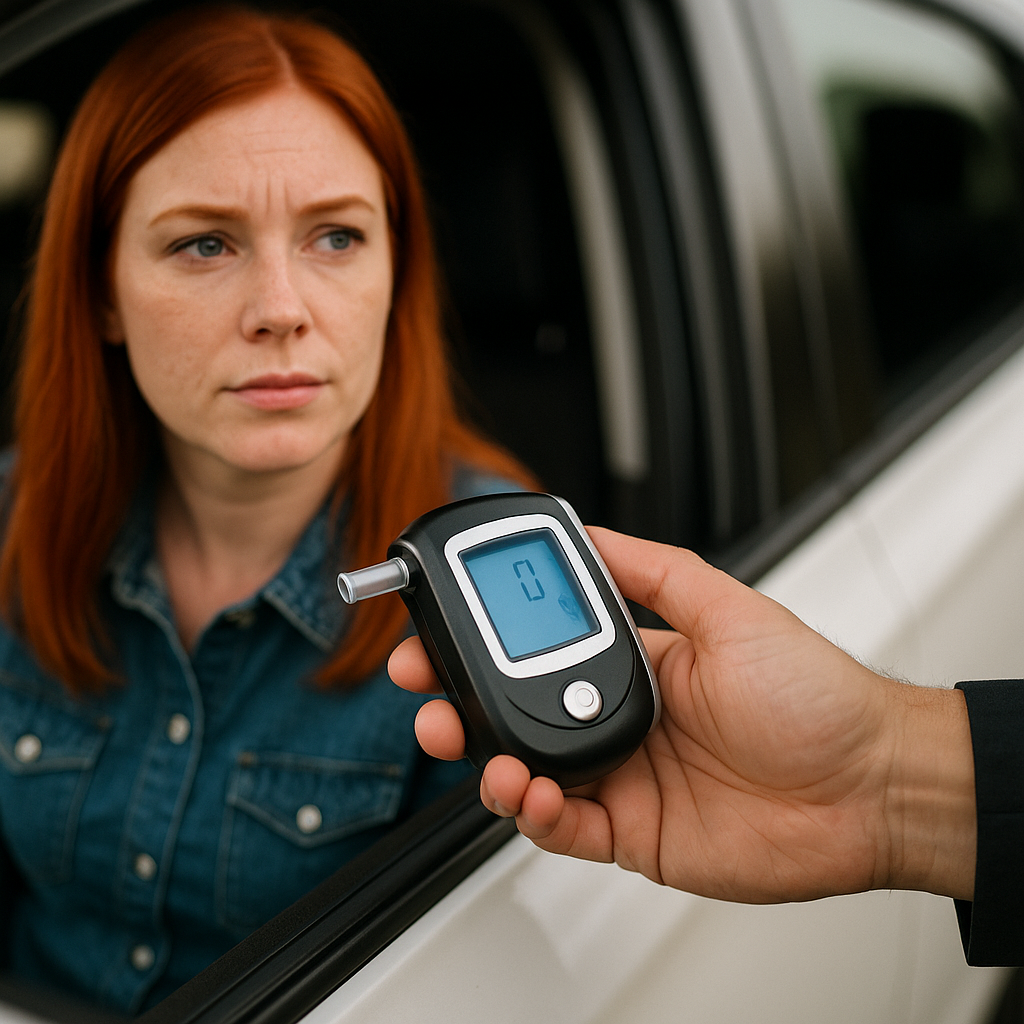
After a DUI in Des Moines, you're looking at 2 years of SR-22 filing, rate increases of 80–150%, and a narrower carrier pool. Here's who still writes Iowa DUI drivers and what you'll actually pay.
Iowa's 2-Year SR-22 Requirement and the 6-Year Rate Impact
Iowa requires SR-22 filing for 2 years following a DUI (called OWI — Operating While Intoxicated — in Iowa). That's shorter than the 3-year mandate in most states, and it means your compliance obligation ends faster. But the rate impact doesn't follow the same timeline. An OWI conviction adds 4 points to your Iowa driving record, and those points remain visible to insurers for 6 years from the conviction date, according to the Iowa Department of Transportation.
This creates a split timeline: your SR-22 filing ends after 2 years, but your elevated rates continue well beyond that because carriers still see the OWI on your record. Most insurers re-evaluate risk annually, and as long as the conviction is visible, you're classified as high-risk. Expect rate increases of 80–150% in the first 2 years, tapering to 40–60% above baseline in years 3–6 as the conviction ages.
For Des Moines drivers, this means your cheapest coverage window often opens around year 3 — after SR-22 drops off but before the OWI falls off your record entirely. That's when you'll see the widest carrier availability and the steepest rate declines if you've maintained continuous coverage and avoided new violations. Iowa SR-22 requirements and filing rules
Which Carriers Still Write DUI Drivers in Des Moines
Not all carriers write post-DUI drivers in Iowa, and those that do vary significantly in how they price OWI risk. The Dairyland, Progressive, and The General are consistently available to Iowa drivers with recent OWIs and will file SR-22 on your behalf. These are non-standard or high-risk specialists, and they price DUI violations more competitively than standard carriers who treat OWI as an automatic declination.
State Farm and Nationwide may retain existing policyholders after a first-time OWI in Iowa, but rarely accept new applicants with a conviction on record. If you're already insured with one of these carriers when you receive your OWI, ask about retention programs before shopping elsewhere — your in-force discount structure may still offer better rates than switching to a high-risk carrier.
Local and regional carriers like IMT Insurance and Grinnell Mutual occasionally write post-OWI drivers in Iowa, especially if you bundle auto with homeowners or have a long claims-free history prior to the violation. These carriers often require an independent agent conversation rather than online quoting, but they can offer competitive rates for drivers who don't fit the high-risk carrier profile. Availability varies by underwriting appetite and your specific violation details — blood alcohol content, prior violations, and license suspension length all factor into acceptance decisions. non-standard auto insurance carriers
What You'll Actually Pay: Des Moines DUI Rate Benchmarks
Average full coverage premiums for a Des Moines driver with a clean record run approximately $1,400–$1,800 per year. After an OWI, expect that to climb to $2,500–$4,200 per year with SR-22 filing included, depending on carrier, age, coverage limits, and your BAC at the time of arrest. Drivers under 25 or those with BAC significantly above the 0.08 legal limit typically land at the higher end of that range.
SR-22 filing itself adds $15–$35 to your annual premium in Iowa — it's a paperwork fee, not a separate insurance cost. The rate increase comes from the OWI conviction itself, which signals elevated risk to insurers. High-risk carriers like The General and Dairyland may quote $200–$350 per month for minimum liability coverage with SR-22, while Progressive often comes in at $180–$280 per month for similar coverage if you qualify for their Snapshot or bundling discounts.
Rates drop measurably at the 3-year mark if you've maintained continuous coverage and avoided new violations. Expect to see 20–30% reductions when you requote after your SR-22 period ends, and another 15–25% drop between years 4 and 6 as the conviction continues to age. By year 7, when the OWI falls off your Iowa driving record entirely, you'll return to standard-risk pricing if no new violations have occurred. SR-22 insurance coverage
SR-22 Filing Mechanics and Reinstatement Steps in Iowa
Iowa requires you to carry SR-22 for 2 years from your license reinstatement date, not from your conviction date. If your license was suspended for 180 days following your OWI, your 2-year SR-22 clock starts when you reinstate, not when you were convicted. This is a critical distinction — many drivers assume SR-22 starts at conviction and end up filing longer than legally required.
To reinstate your Iowa license after an OWI suspension, you'll need to complete a drinking driver course, pay a $200 civil penalty reinstatement fee, and file SR-22 proof of insurance with the Iowa DOT. Your insurer submits the SR-22 form electronically — you don't file it yourself. Once the DOT receives your SR-22, pays your fees, and verifies course completion, your license is reinstated and your 2-year SR-22 period begins.
Missing a single day of SR-22 coverage resets your entire 2-year requirement in Iowa. If your policy lapses or your insurer cancels for non-payment, they notify the Iowa DOT within 15 days, your license is re-suspended, and your SR-22 clock resets to zero when you reinstate again. Continuous coverage is non-negotiable — set up autopay, track your renewal dates, and confirm your insurer has filed your SR-22 before your reinstatement appointment.
Iowa's Point System and How OWI Fits Your Long-Term Record
Iowa operates on a point system where accumulating specific thresholds triggers escalating penalties. An OWI conviction adds 4 points to your record — the same as leaving the scene of an accident. If you accumulate 6 or more points within 2 years, Iowa suspends your license regardless of SR-22 status, according to Iowa DOT rules. This means a single additional violation — even a 2-point speeding ticket — during your SR-22 period can trigger a new suspension.
Points from an OWI stay on your Iowa driving record for 6 years, but they only count toward suspension calculations for 3 years. After year 3, the points are still visible to insurers but won't trigger a new suspension if you pick up additional violations. This is why your rates stay elevated well past the SR-22 period — carriers see the conviction and price accordingly, even though it no longer affects your license status.
Iowa does not offer point reduction through defensive driving courses for OWI convictions. Unlike speeding or minor moving violations, OWI points cannot be masked or reduced — you wait them out. The best rate recovery strategy is to avoid any new violations during the 6-year aging period and to requote your policy annually starting in year 3, when carriers begin offering better rates to drivers with aging OWI convictions and no new incidents.
Shopping Strategy: When to Requote and What to Compare
Most Des Moines drivers shop for new insurance immediately after their OWI conviction, which is smart — you need coverage to reinstate. But the second-most important shopping window is 90 days before your SR-22 filing ends. Carriers compete aggressively for drivers exiting SR-22 because they've proven 2 years of continuous coverage and compliance, which statistically lowers future claim risk.
When comparing quotes, focus on monthly premium, SR-22 filing capability, and claims handling reputation. High-risk carriers vary widely in how quickly they process claims and how they handle post-accident rate increases. Progressive and Dairyland both offer online policy management and fast SR-22 electronic filing, which matters if you're close to reinstatement deadlines. The General and smaller regional carriers may require phone-based service, which can slow down filing if you're switching carriers mid-SR-22 period.
Always disclose your OWI accurately when quoting. Omitting the conviction to get a lower quote will result in policy rescission when the carrier runs your MVR, leaving you uninsured, re-suspended, and restarting your SR-22 clock. Carriers pull your Iowa driving record during underwriting and again at renewal — there's no hiding an OWI, and trying to do so only extends your high-risk period.