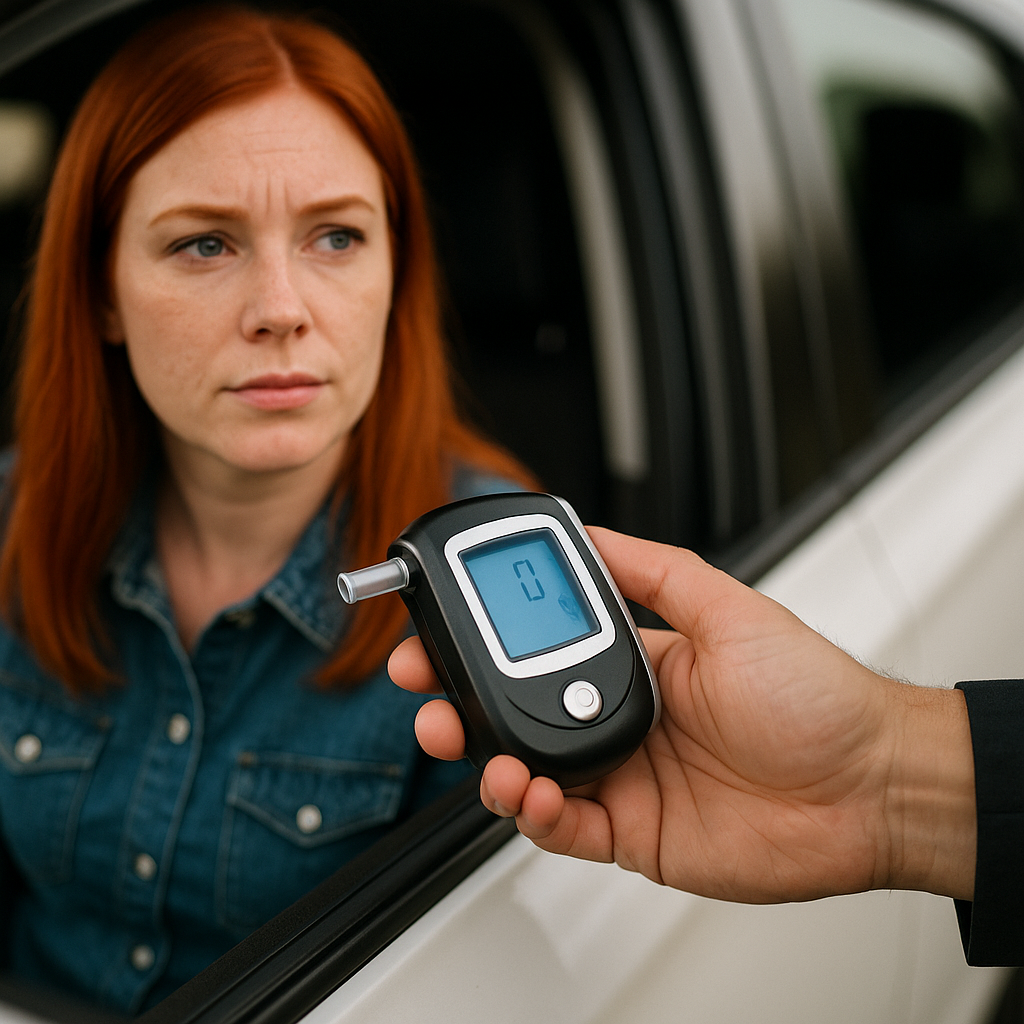
After a DUI in El Paso, most drivers face 3 years of SR-22 filing, 50–80% rate increases, and limited carrier options. Here's who still writes policies in El Paso County and what you'll actually pay.
El Paso's DUI Rate Reality: What You're Actually Paying
A DUI conviction in El Paso triggers an average rate increase of 60–85% over your pre-conviction premium, placing you firmly in the non-standard insurance market. For a 35-year-old driver who paid $140/month before the conviction, expect monthly premiums between $224 and $259 once the SR-22 filing requirement begins. These figures assume minimum liability coverage (30/60/25 in Texas) — if you carry full coverage or have additional violations, monthly costs can exceed $350.
El Paso's insurance market is dominated by three major carriers — State Farm, Allstate, and GEICO — which together write roughly 65% of all policies in El Paso County. After a DUI, none of these carriers will renew your policy at standard rates, and most will non-renew entirely. This forces you into the non-standard market, where regional carriers like Acceptance Insurance, Dairyland, and Progressive's non-standard division compete for your business. The key mistake most El Paso DUI drivers make is calling their current carrier first and accepting whatever quote they receive without shopping the non-standard market.
Texas requires SR-22 filing for a minimum of 2 years following DUI conviction, but courts often extend this to 3 years depending on your BAC level and prior record. The SR-22 itself costs $15–$25 to file in Texas, but the real cost is the non-standard premium tier you'll occupy during the filing period. Your rate will not return to standard pricing until the SR-22requirement expires and you complete the full filing period without additional violations. SR-22 insurance
Which Carriers Still Write DUI Policies in El Paso
Five carriers actively write DUI policies in El Paso and the surrounding West Texas region: Acceptance Insurance, Dairyland, Direct Auto, The General, and Progressive's non-standard division. Each uses different underwriting criteria, which means rate variation between carriers can exceed 40% for the same driver profile. Acceptance Insurance and Dairyland both maintain local offices in El Paso and frequently offer the most competitive rates for drivers with single DUI convictions and no additional violations.
Progressive handles DUI risk through its non-standard tier rather than declining coverage outright, but their El Paso rates for DUI drivers typically run 15–25% higher than Acceptance or Dairyland. The General and Direct Auto serve as fallback options for drivers with multiple DUIs or stacked violations — their approval rates are higher, but so are their premiums. If you have a DUI plus a suspended license or lapse in coverage, these two carriers are often your only options without requiring upfront payment of six months' premium.
Most El Paso DUI drivers assume they must stay with their current carrier and simply add SR-22 filing, but shopping the non-standard market first saves an average of $78/month compared to accepting your current carrier's non-standard quote. This gap exists because standard carriers price DUI risk conservatively — they don't want the business and price accordingly — while non-standard carriers compete for it. Run quotes with at least three non-standard carriers before making any decision.
Texas SR-22 Filing Rules for DUI Drivers
Texas does not issue SR-22 certificates directly — your insurance carrier files the SR-22 form with the Texas Department of Public Safety on your behalf. The filing confirms you carry at least minimum liability coverage (30/60/25), and your carrier must notify DPS immediately if your policy cancels or lapses. A lapse triggers automatic license suspension, usually within 10 days, and requires you to restart your SR-22 filing period from scratch.
The standard SR-22 filing period for a first DUI in Texas is 2 years from the date of conviction, but El Paso County courts routinely extend this to 3 years for BAC levels above 0.15 or cases involving property damage or injury. Check your court order or DPS reinstatement letter for your exact filing period — this is the only authoritative source. If your order says 3 years, filing for only 2 years means you'll face suspension when you drop the SR-22 early.
Texas allows you to satisfy SR-22 requirements with a non-owner SR-22 policy if you don't own a vehicle. Non-owner policies in El Paso cost $35–$65/month for DUI drivers and provide liability coverage when you drive borrowed or rental vehicles. This option makes sense if you sold your car after the DUI or rely on rideshare and public transit, but you must maintain continuous coverage for the full filing period. One missed payment resets the clock. Texas SR-22 requirements
Rate Recovery Timeline After Your El Paso DUI
DUI convictions remain on your Texas driving record for 15 years, but insurance carriers typically only surcharge for 3–5 years after the conviction date. Once your SR-22 filing period ends and you've maintained continuous coverage without additional violations, you become eligible for standard-tier pricing again. For most El Paso drivers, this transition happens between year 3 and year 5 after the conviction.
Your rate will not drop automatically when your SR-22 filing ends — you must re-shop the standard market and request requoting. Carriers like State Farm, Allstate, and USAA will consider you for standard pricing once you've completed your SR-22 period and demonstrated 36 consecutive months of coverage without lapses. Expect standard-tier premiums to run 20–35% higher than a clean-record driver due to the conviction still appearing on your record, but this is substantially lower than the 60–85% surcharge you'll pay during the SR-22 period.
The fastest path to rate recovery in El Paso involves three specific actions: completing a state-approved defensive driving course within 6 months of conviction (reduces points and can lower premiums by 5–10%), maintaining continuous coverage with zero lapses, and re-shopping the standard market every 12 months after your SR-22period ends. Drivers who execute this sequence typically recover standard-tier pricing 18–24 months faster than those who remain with their non-standard carrier and wait passively for rates to drop.
What to Do Immediately After Your El Paso DUI Conviction
Your first action after conviction is obtaining your court order and DPS reinstatement letter — these documents specify your exact SR-22 filing period, any required conditions (ignition interlock, alcohol education programs), and the deadline for filing your SR-22. Texas DPS typically issues the reinstatement letter within 10–15 days of conviction, and you have 30 days from that letter to file your SR-22 or face extended suspension.
Do not contact your current carrier until you've run quotes with at least three non-standard carriers. Call Acceptance Insurance, Dairyland, and Progressive's non-standard line first, provide your conviction date and BAC level, and request quotes for minimum liability with SR-22 filing. Once you have these quotes in hand, call your current carrier and compare. If their quote is within 15% of the lowest non-standard quote, staying may make sense to preserve any longevity discounts — but if the gap is larger, switch immediately.
Once you've selected a carrier, they will file your SR-22 electronically with Texas DPS within 24–48 hours. Request a confirmation receipt from your carrier showing the filing date — this is your proof of compliance if any administrative delays occur. Keep this receipt and your insurance declarations page in your vehicle at all times during your SR-22 period. El Paso police and DPS conduct frequent compliance checks, and failure to provide proof of SR-22 coverage results in immediate suspension and impoundment.
El Paso-Specific Factors That Affect Your DUI Rate
El Paso's location on the Texas-Mexico border creates unique insurance pricing dynamics that affect DUI drivers disproportionately. The city has one of the highest uninsured motorist rates in Texas — approximately 22% of El Paso drivers carry no insurance compared to the state average of 14%. This forces carriers to price uninsured motorist coverage more aggressively, and non-standard policies almost always include mandatory uninsured motorist coverage at higher premiums.
El Paso County also maintains one of the strictest DUI enforcement programs in Texas, with sobriety checkpoints concentrated along I-10, Gateway Boulevard, and Mesa Street corridors. This enforcement focus means El Paso drivers are 30% more likely to face DUI charges than drivers in similarly sized Texas cities, which increases the local DUI risk pool and puts upward pressure on non-standard rates. Carriers price this risk into their El Paso quotes, making the city's DUI premiums higher than Dallas, Austin, or San Antonio despite lower overall cost of living.
If you live in East El Paso or the Lower Valley, expect rates 10–15% lower than drivers in West El Paso or the Upper Valley due to claims frequency differences. Zip codes 79905, 79907, and 79915 consistently produce the lowest non-standard quotes for DUI drivers, while 79912 and 79922 see the highest. If you have flexibility in where you maintain your vehicle's garaging address — staying with family in a lower-rate zip code, for example — this can reduce your premium by $20–$35/month during your SR-22 period.