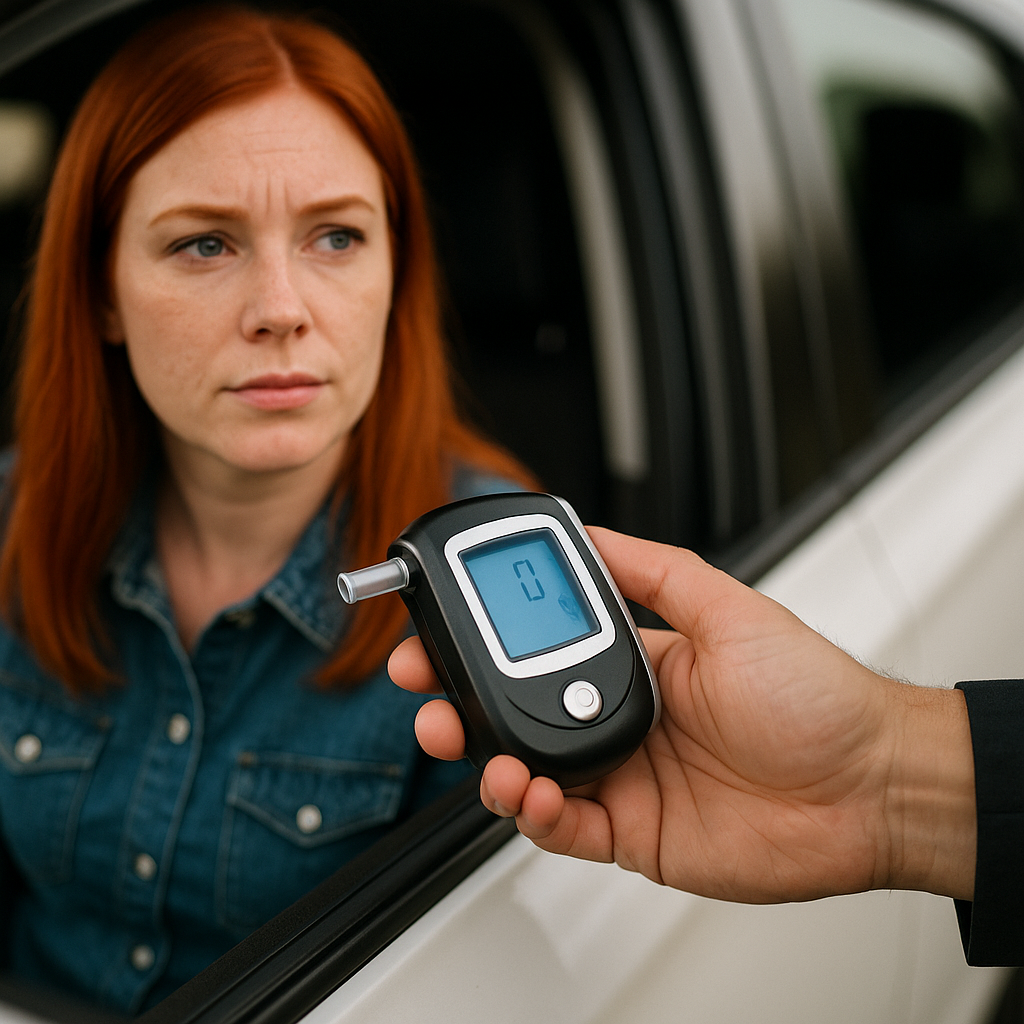
A DUI conviction in Fort Worth triggers a 3-year SR-22 requirement and rate increases averaging 80–140%. Seven non-standard carriers still write DUI drivers in Tarrant County — here's how to find coverage and what to expect on cost.
What a DUI Conviction Does to Your Insurance in Texas
A DUI conviction in Texas requires you to file SR-22 proof of insurance for three years from your license reinstatement date, not from your conviction date. Most drivers file SR-22 longer than legally required because they misunderstand the start date — if your license was suspended for six months, your three-year SR-22 clock doesn't start until reinstatement, meaning you're actually filing for 3.5 years total.
Your current carrier will either non-renew your policy or move you to a high-risk tier with rate increases between 80% and 140% in the Fort Worth metro. Texas law does not require your insurer to keep you after a DUI — they can drop you at renewal, which is why proactive shopping before non-renewal matters. Waiting until you receive a non-renewal notice leaves you with fewer options and higher quotes.
SR-22 filing itself costs $25–$50 in Texas, paid to your insurer as a one-time or annual fee depending on the carrier. The real cost is the premium increase: a driver paying $150/month before a DUI typically sees rates jump to $270–$360/month with SR-22. Those rates stay elevated for three to five years, even after your SR-22 requirement ends, because the DUI conviction remains on your Texas driving record for insurers to see. Texas SR-22 requirements non-standard auto insurance
Which Carriers Still Write DUI Drivers in Fort Worth
Seven non-standard carriers actively write policies for DUI drivers in Tarrant County: The General, Acceptance Insurance, Gainsco, Direct Auto, Safe Auto, Bristol West, and Kemper Specialty. These carriers specialize in high-risk drivers and file SR-22 directly with the Texas Department of Public Safety on your behalf. Standard carriers like State Farm and Allstate rarely write new policies for drivers with active DUI convictions in Texas.
Fort Worth has fewer local independent agents writing DUI policies compared to Dallas because Tarrant County's DUI conviction rate runs 18% higher than the state average, making regional carriers more selective. This means Fort Worth drivers benefit more from using a multi-carrier quote tool that pulls rates from non-standard specialists rather than calling individual agents who may only represent one or two high-risk carriers.
Non-standard carriers price DUI risk differently. Gainsco and The General often quote lowest for drivers under 30 with DUIs. Acceptance Insurance and Direct Auto tend to offer better rates for drivers over 40 with otherwise clean records. Bristol West specializes in drivers who need SR-22 but also have lapses or multiple violations. Shopping all seven carriers typically produces a 30–50% spread between the highest and lowest quotes for the same coverage.
How Long a DUI Affects Your Rates in Texas
Texas insurers can see your DUI conviction for five years from the conviction date, even though your SR-22 requirement ends after three years. Most carriers reduce your rate multiplier gradually: expect to pay elevated premiums for three years at the highest tier, then see a 20–30% rate drop in year four and another 15–25% drop in year five as the conviction ages.
Your SR-22 requirement ends three years after your license reinstatement, but you must maintain continuous coverage during that period. A single lapse longer than 30 days restarts your three-year SR-22 clock in Texas. This is why automatic payment enrollment matters for DUI drivers — missing a payment can add years to your filing requirement.
After five years, your DUI conviction no longer appears to insurers during standard quote pulls, and you can return to standard carrier pricing. Some carriers still ask about violations in the past seven years on applications, but most Texas insurers only pull MVR data for the previous five years. At the five-year mark, expect to see quotes from State Farm, Progressive, and Geico again if your record is otherwise clean.
SR-22 Filing Requirements Specific to Tarrant County
Tarrant County courts issue the majority of DUI-related SR-22 orders in North Texas. Your court order or DPS suspension notice specifies your SR-22 duration — always check the end date listed rather than assuming it's three years. Some judges order longer filing periods for BAC levels above 0.15% or for repeat offenses.
You must file SR-22 before the Texas DPS will reinstate your license. The SR-22 form goes directly from your insurance carrier to DPS electronically, usually processing within 24–48 hours. You cannot file SR-22 yourself — it must come from a licensed Texas insurer. If your carrier files incorrectly or your policy lapses, DPS suspends your license again within 10 days.
Fort Worth drivers often ask if they can avoid SR-22 by not driving. Texas law requires SR-22 even if you don't own a vehicle — you must either insure a vehicle you drive regularly or purchase a non-owner SR-22 policy. Non-owner SR-22 policies cost $40–$80/month in Fort Worth and satisfy the DPS requirement without insuring a specific vehicle. This option works for drivers who sold their car or only drive occasionally. SR-22 insurance
What to Do Immediately After a DUI Conviction in Fort Worth
Start shopping for SR-22 coverage before your current insurer non-renews you. Most Texas carriers send non-renewal notices 30 days before your policy expires, but quotes from non-standard carriers remain valid for only 15–30 days. Getting quotes 45 days before your renewal date gives you time to compare rates and avoid a coverage gap.
Buy the state minimum liability coverage if cost is your primary concern: 30/60/25 limits cost $220–$320/month with SR-22 in Fort Worth for a driver with a fresh DUI. Adding comprehensive and collision coverage increases premiums by $80–$150/month. Non-standard carriers price full coverage aggressively because DUI drivers file claims at higher rates, so expect steep increases if you insure a financed vehicle.
Enroll in automatic payments and set up low-balance alerts if you pay monthly. A single missed payment that causes a lapse will restart your three-year SR-22 requirement and trigger another license suspension. Non-standard carriers report lapses to DPS within 48 hours — there is no grace period. Paying in full for six months upfront eliminates lapse risk and often saves 5–8% compared to monthly billing.
How Fort Worth DUI Rates Compare to the Rest of Texas
Fort Worth DUI drivers pay 12–18% more for SR-22 coverage than drivers in Austin or San Antonio because Tarrant County's higher collision and uninsured motorist claim rates increase base premiums for all drivers. A driver with a DUI paying $285/month in Austin would pay $320–$340/month for identical coverage in Fort Worth.
Dallas County DUI rates run slightly lower than Fort Worth despite the higher population density because Dallas has more non-standard carriers competing locally. Fort Worth drivers shopping only within Tarrant County miss carriers like Kemper Specialty and Bristol West that write policies statewide but don't have dedicated Fort Worth agents.
Rural Texas counties show the lowest post-DUI premiums — drivers in counties like Parker or Johnson pay 20–30% less than Fort Worth rates for the same SR-22 coverage. If you live near the Tarrant County line, using a zip code in an adjacent county for quotes (if you actually reside there) can produce meaningfully lower premiums. Insurers price by garaging zip code, and a five-mile difference can cross into a lower-rate territory.
Texas-Specific DUI Insurance Rules You Need to Know
Texas does not allow insurance companies to cancel your policy mid-term solely because of a DUI conviction — they must wait until your renewal date to non-renew you. This gives you 30–60 days to shop for replacement coverage after your conviction, depending on when your renewal falls. Use that window to compare rates before you're forced into the first available quote.
Texas law requires DPS to verify your SR-22 is active before reinstating your license. The $125 reinstatement fee is separate from your SR-22 filing fee — budget for both. Some Fort Worth drivers pay the reinstatement fee before securing SR-22 coverage, then face delays because DPS won't process reinstatement without proof of insurance on file.
Your SR-22 must match your license exactly — middle initial, suffix, and address must align with your DPS records. Mismatches cause filing rejections and delay reinstatement by weeks. If you moved recently or changed your name, update your license with DPS before your insurer files SR-22. Non-standard carriers won't correct mismatches for you — they'll file what's on your application, and if it doesn't match DPS records, the filing fails.