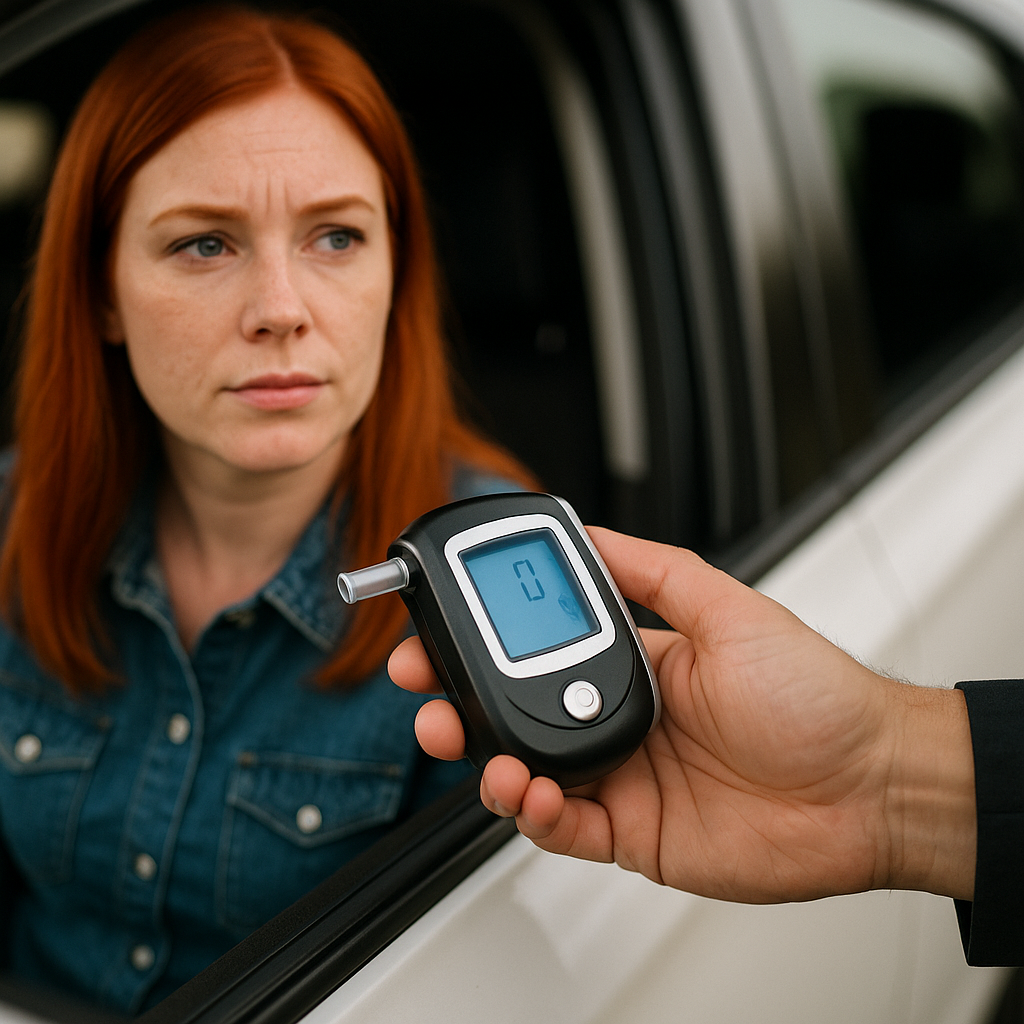
A DUI in Houston triggers SR-22 filing for 3 years and rate increases averaging 80–140%, but a shrinking pool of carriers still writes high-risk drivers in Harris County — and knowing which ones matters more than shopping generically.
Why Houston DUI Drivers Face a Narrower Carrier Pool Than Other Texas Cities
Harris County processes more DUI convictions annually than any other Texas county — over 7,500 in recent years according to Texas Department of Transportation data — which means Houston drivers post-conviction are competing for coverage in a saturated high-risk market. Most standard carriers (State Farm, Allstate, GEICO) either non-renew immediately after a DUI conviction or decline new business entirely, leaving a pool of 6–8 non-standard insurers that actively write new policies for DUI drivers in the Houston metro area. These include Progressive, Acceptance Insurance, Dairyland, and regional carriers like Fiesta Auto Insurance, but availability fluctuates based on each carrier's current book of business and appetite for high-risk drivers in Texas.
The practical result: Houston DUI drivers shopping for coverage post-conviction are not choosing between 20+ carriers like a clean-record driver would. They are choosing between a handful of non-standard options, and the rate difference between the cheapest and most expensive can easily exceed $200 per month for identical coverage limits. This is not a market where brand loyalty or convenience matters — it is a market where shopping every available option is the only defensible strategy.
Texas does not regulate non-standard auto insurance rates the same way it regulates standard rates, which means DUI rate increases are set by each carrier's internal risk models rather than state-mandated formulas. A Houston driver with a DUI might see a quote of $320/month from one carrier and $180/month from another for the same 30/60/25 liability limits, despite identical driving history. The variance is a function of each carrier's risk appetite at the time of application, not a reflection of your risk profile alone. Texas SR-22 requirements
SR-22 Filing Requirements in Texas After a Houston DUI
Texas requires SR-22 filing for 3 years following a DUI conviction, starting from the date your license is reinstated — not the date of conviction. If your license was suspended for 90 days post-conviction and you waited 120 days to reinstate, your 3-year SR-22 clock starts on reinstatement day, meaning you will be filing SR-22 until that date plus 3 years. The Texas Department of Public Safety (DPS) does not send reminder notices when your SR-22 period ends, so most drivers continue filing — and paying the associated higher premiums — longer than legally required.
The SR-22 itself is not insurance; it is a certificate filed by your insurer with Texas DPS confirming you carry at least the state minimum liability coverage (30/60/25). The filing fee ranges from $15 to $50 depending on the carrier, but the real cost is the premium increase triggered by the DUI conviction itself, which typically ranges from 80% to 140% over your pre-conviction rate. A Houston driver paying $120/month before a DUI might see premiums jump to $220–$290/month post-conviction, and that elevated rate persists for the entire SR-22 filing period unless you shop carriers or your insurer adjusts rates over time.
If your SR-22 filing lapses — meaning your policy cancels or you drop coverage without transferring the SR-22 to a new carrier first — Texas DPS is notified within 48 hours and your license is automatically suspended. Reinstating after an SR-22 lapse requires paying a reinstatement fee (typically $100–$125), refiling SR-22 with a new carrier, and in some cases extending your total SR-22 requirement beyond the original 3 years. Avoiding a lapse means maintaining continuous coverage with an SR-22-compliant carrier for the full 3-year period, which is why many Houston DUI drivers opt for 6-month policies paid in full rather than monthly billing that could lapse due to missed payments. SR-22 insurance
Which Carriers Write DUI Drivers in Houston and What They Cost
Progressive is the most widely available non-standard carrier in Houston post-DUI, writing new policies for most drivers with a single DUI conviction and no additional major violations. Monthly rates for a 30-year-old male driver with a DUI in Houston typically range from $210 to $280 for state minimum liability coverage through Progressive, depending on ZIP code, credit tier, and time since conviction. Progressive does not require a down payment above 20% of the 6-month premium, making it accessible for drivers who cannot pay the full term upfront.
Acceptance Insurance specializes in high-risk drivers and writes DUI policies in Houston with no look-back period — meaning they will quote you the day after conviction if you have SR-22 in place. Rates tend to run 10–20% higher than Progressive, but Acceptance offers more flexible payment plans including monthly billing with as little as $50 down in some cases. Dairyland, underwritten by Sentry Insurance, writes DUI drivers in Texas but availability in Houston fluctuates — some independent agents report waitlists during peak enrollment periods. Dairyland rates for DUI drivers with SR-22 typically fall between Progressive and Acceptance.
Regional carriers like Fiesta Auto Insurance and Bluefire Insurance write Houston DUI drivers but have stricter underwriting criteria — most require at least 6 months post-conviction before issuing a new policy, and some will not write drivers with a DUI plus any additional moving violation in the past 3 years. Rates from regional carriers can be 15–25% lower than Progressive if you qualify, but availability is limited and most require working through an independent agent rather than quoting online. The takeaway: if you are shopping for DUI coverage in Houston, you need quotes from at least 4 carriers to see the true rate spread, because the cheapest option is not predictable based on carrier reputation alone.
How Long Houston DUI Drivers See Elevated Rates and When They Drop
A DUI conviction remains on your Texas driving record for a minimum of 10 years, but most insurers surcharge DUI drivers for only 3 to 5 years post-conviction. The surcharge is heaviest in the first 3 years — the same period you are required to maintain SR-22 filing — and begins to taper after year 3 if you maintain a clean record with no new violations. Houston drivers who complete their 3-year SR-22 requirement without additional incidents typically see premiums drop by 30–50% in year 4, assuming they re-shop carriers at the end of the SR-22 period.
The SR-22 filing requirement ends exactly 3 years from your reinstatement date, but your insurer does not automatically reduce your premium when the SR-22 drops off. Many carriers continue charging non-standard rates until you request a re-quote or switch carriers, which is why shopping for new coverage immediately after your SR-22 period ends is the single most effective way to recover lower premiums. A Houston driver paying $240/month during the SR-22 period might drop to $140–$180/month post-SR-22 if they re-shop, but will likely stay at $240/month with the same carrier if they do not proactively request re-rating.
By year 5 post-conviction, most Houston DUI drivers with no additional violations qualify for standard or preferred-risk rates again, particularly if they have maintained continuous coverage and completed a defensive driving course. At the 5-year mark, the DUI is still on your record but most insurers weight it minimally in rate calculations, and some carriers ignore it entirely if you have 5 years of clean driving post-conviction. The rate recovery timeline is not automatic — it requires active carrier shopping at the 3-year and 5-year marks to capture the full rate reduction you are eligible for.
What Houston DUI Drivers Should Do Right Now to Find Coverage
If your license is currently suspended post-DUI, your first step is confirming your reinstatement eligibility with Texas DPS. Most Houston DUI suspensions last 90 days to 1 year depending on BAC level and prior offenses, and reinstatement requires paying all fines, completing any court-ordered programs (typically a DWI education course or alcohol assessment), and filing SR-22 proof of insurance. You cannot obtain SR-22 without an active insurance policy, which means you need to secure coverage before you can reinstate — most carriers will issue a policy with SR-22 filing while your license is still suspended, allowing you to submit the SR-22 to DPS as part of your reinstatement packet.
Once your license is reinstated, request quotes from at least 4 non-standard carriers: Progressive, Acceptance, Dairyland, and one regional carrier available in your ZIP code. Do not assume the first quote you receive is competitive — the rate spread for Houston DUI drivers is wide enough that a single additional quote can save $100+ per month. If you are working with an independent agent, ask them to run quotes through all available non-standard markets rather than defaulting to their most commonly used carrier.
Set a calendar reminder for 90 days before your SR-22 filing period ends (3 years from reinstatement) to re-shop coverage. Your rate will not drop automatically when SR-22 ends — you need to request new quotes from standard carriers like GEICO, State Farm, or USAA (if you qualify) at the 3-year mark to transition out of the non-standard market. Most Houston DUI drivers who re-shop at year 3 see premiums drop by 30–50% compared to their SR-22-period rates, but only if they actively request quotes from standard carriers rather than staying with their current non-standard insurer. The DUI is still on your record, but the SR-22 requirement ending signals to most carriers that you have completed the high-risk period and are eligible for re-rating.