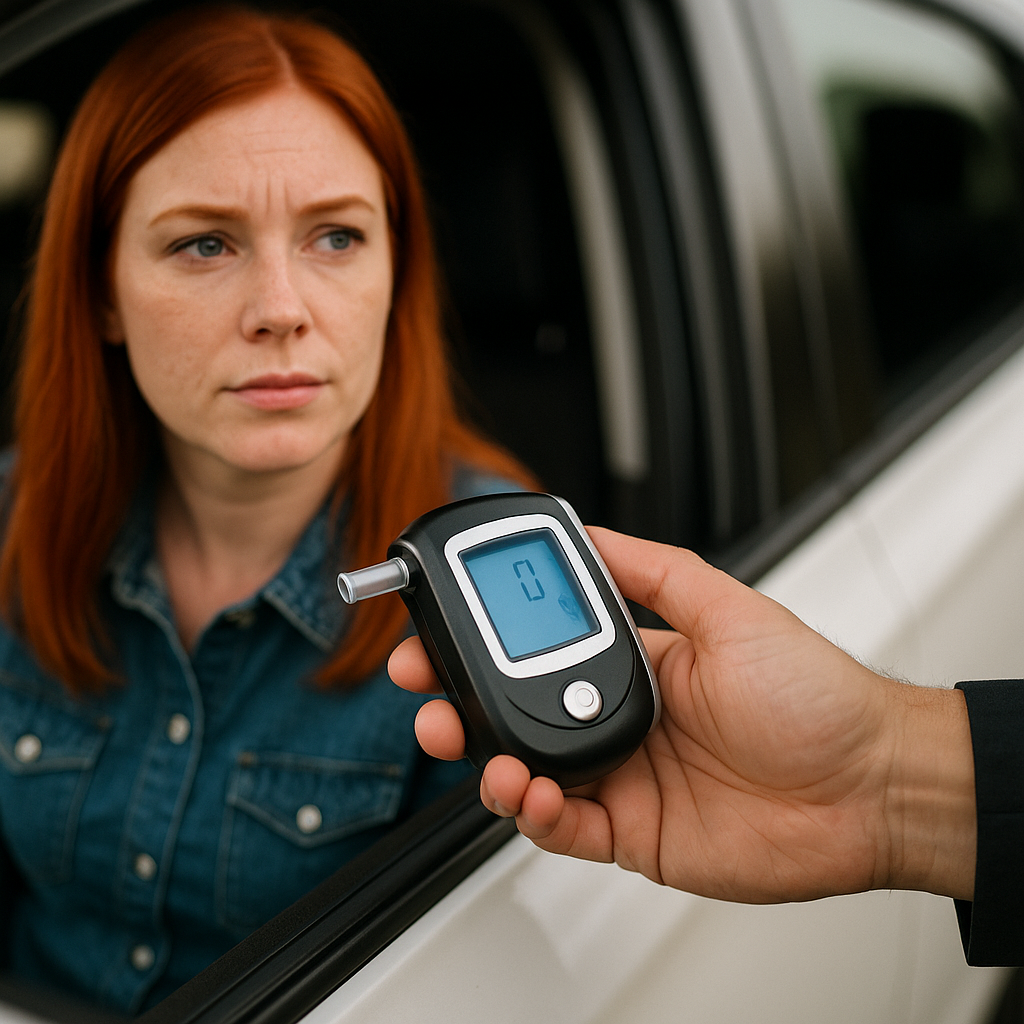
Kentucky requires 5 years of SR-22 filing after a DUI — the longest mandatory period in the U.S. — but a handful of carriers in Lexington still write high-risk drivers immediately after conviction, often at rates 60–90% lower than the first quote you receive.
Kentucky's 5-Year SR-22 Requirement and What It Costs in Lexington
Kentucky mandates a 5-year SR-22 filing period following a DUI conviction — longer than any other state in the U.S. Most states require 3 years; a few require 2. This extended timeline means Lexington drivers face not only elevated premiums immediately after conviction but sustained non-standard rates for half a decade unless they shop aggressively and understand which carriers specialize in post-DUI risk.
The SR-22 itself is not insurance — it's a certificate your insurer files with the Kentucky Transportation Cabinet confirming you carry at least the state minimum liability coverage: 25/50/25 ($25,000 bodily injury per person, $50,000 per accident, $25,000 property damage). The filing fee ranges from $25 to $50 depending on the carrier. The real cost is the premium increase: post-DUI drivers in Kentucky typically see rate hikes between 70% and 130% compared to their pre-conviction premium, with the steepest increases occurring in the first two years.
In Lexington specifically, full-coverage premiums for a driver with a DUI average between $2,400 and $4,200 annually in year one, depending on age, prior driving history, and the carrier's risk model. State minimum liability-only policies with SR-22 filing range from $900 to $1,800 per year. These ranges are wide because carrier appetite for DUI risk varies dramatically — some insurers exit immediately upon conviction, while others specialize in exactly this profile and price accordingly. Kentucky's SR-22 requirements
Which Carriers Are Still Writing DUI Policies in Lexington
Most standard carriers — State Farm, Allstate, Progressive's preferred tier — will non-renew a Kentucky policyholder after a DUI conviction. A few large carriers, including Progressive's non-standard division and GEICO, will often retain existing customers but move them into higher-risk pricing tiers. The largest opportunity for rate reduction comes from carriers that specialize in high-risk drivers and are actively writing new business in Fayette County.
National non-standard carriers writing post-DUI policies in Lexington include The General, Bristol West (a Farmers subsidiary), Infinity, and Dairyland. Regional players like Acceptance Insurance and Direct Auto also maintain a presence. These carriers expect DUI convictions in their applicant pool and price for that risk upfront rather than treating it as an anomaly. Quotes from these insurers can be 40–70% lower than what a standard carrier offers a high-risk driver as a retention policy.
Some drivers assume they must stay with their current insurer to avoid a lapse, but switching carriers does not create a coverage gap if you coordinate effective dates properly. Kentucky law requires continuous proof of insurance during your SR-22 period — any lapse, even one day, resets your 5-year clock to day zero. This means shopping for a better rate is not only allowed but often financially necessary, as long as the new policy starts the same day the old one ends and the new carrier files the SR-22 immediately. non-standard auto insurance
How Lexington Drivers Can Reduce Post-DUI Premiums Immediately
The single highest-leverage action after a DUI conviction is comparing quotes from at least four non-standard carriers within the first 30 days of reinstatement. Rate variation among high-risk insurers is extreme — a driver quoted $3,200 annually by one carrier may receive a $1,900 quote from another for identical coverage. This is not a matter of shopping for discounts; it reflects fundamentally different underwriting models and risk tolerance across carriers.
Beyond carrier shopping, Kentucky allows drivers with a DUI to reduce premiums by raising deductibles, dropping comprehensive and collision coverage on older vehicles (if not financing), and bundling policies. Some non-standard carriers offer modest discounts for completing a state-approved DUI education program, though Kentucky does not reduce the SR-22 filing period based on course completion. Defensive driving courses do not remove a DUI from your record but may qualify you for a 5–10% discount with select insurers.
Lexington drivers should also verify their SR-22 filing status directly with the Kentucky Transportation Cabinet every 6 months. Clerical errors — a carrier failing to file an SR-22 renewal or filing under an incorrect license number — can trigger a suspension notice even if you've maintained continuous coverage. Catching these errors early prevents a lapse reinstatement and avoids restarting the 5-year clock. The Cabinet's online portal allows you to confirm your SR-22 is active and tied to your current policy.
What Happens to Rates Over the 5-Year Filing Period
Kentucky DUI premiums do not remain flat for five years. Most carriers reduce rates incrementally as time passes without additional violations. The steepest premiums occur in years one and two post-conviction; by year three, drivers with no new incidents typically see rate reductions of 15–25% compared to their initial post-DUI premium. By year five, when the SR-22 requirement ends, rates can drop another 20–30%, though they rarely return to pre-DUI levels immediately.
A DUI conviction remains on your Kentucky driving record for 5 years from the conviction date, which aligns exactly with the SR-22 filing period. Once the conviction falls off your Motor Vehicle Record (MVR), most carriers reclassify you as standard risk, assuming no other violations have occurred. This means year six post-DUI often brings the most significant rate relief — you are no longer flagged as high-risk and no longer require SR-22 filing, which opens access to standard carriers again.
Some drivers mistakenly believe they must wait until their SR-22 period ends to shop for better rates. In reality, shopping annually throughout the 5-year period is critical. Carrier appetite for multi-year post-DUI drivers improves as time passes, and insurers that would not write you in year one may offer competitive rates in year three. Loyalty to a single non-standard carrier through the entire SR-22 period often costs drivers thousands of dollars unnecessarily. SR-22 insurance
SR-22 Filing Mechanics and Avoiding Lapses in Kentucky
Your insurer files the SR-22 electronically with the Kentucky Transportation Cabinet within 24 to 48 hours of policy binding. You do not file it yourself. If you cancel a policy or allow it to lapse for non-payment, the insurer is required by law to notify the Cabinet immediately, triggering an automatic suspension of your driving privileges. Reinstatement after a lapse requires paying a reinstatement fee (currently $40 in Kentucky), obtaining new insurance, filing a new SR-22, and restarting the entire 5-year filing period from the date of reinstatement.
This restart penalty is Kentucky-specific and unusually harsh compared to other states. In most states, a lapse adds time to your SR-22 requirement but does not fully reset it. In Kentucky, even a one-day lapse means you are back to day one of a 5-year obligation. This makes continuous coverage non-negotiable and explains why some drivers accept higher premiums rather than risk a gap during a carrier switch.
To switch carriers without lapsing, schedule your new policy's effective date to begin the day after your current policy expires, and confirm with the new carrier that they will file the SR-22 on or before the effective date. Request written confirmation of the SR-22 filing from the new insurer and verify it appears in the Kentucky Transportation Cabinet's system within 72 hours. Do not cancel your old policy until you have confirmed the new SR-22 is active. Most lapses occur because drivers assume the new carrier has filed when it has not, or because they cancel the old policy prematurely to avoid double-paying for a single day.
Lexington-Specific Factors That Affect Post-DUI Rates
Fayette County's urban density and traffic patterns influence how insurers price DUI risk in Lexington. The city's mix of University of Kentucky student drivers, suburban commuters, and downtown congestion creates higher collision frequency compared to rural Kentucky counties, which means baseline premiums are already elevated before a DUI is factored in. Post-DUI drivers in Lexington typically pay 10–15% more than drivers with identical records in smaller Kentucky cities like Bowling Green or Owensboro.
Lexington also has a higher concentration of non-standard insurance agents and regional carriers compared to rural Kentucky, which improves access to competitive quotes. Drivers in counties with fewer local agents often receive only one or two non-standard quotes, limiting their ability to compare. Lexington's insurance market density is an advantage for post-DUI drivers willing to shop beyond the first quote they receive.
Kentucky does not allow insurers to surcharge based on zip code alone, but they do adjust rates based on county-level loss data. Fayette County's claim frequency and average claim cost are both above the state median, which contributes to higher premiums across all driver profiles, including those with DUIs. Understanding this means recognizing that the rate difference between Lexington and rural Kentucky is structural, not a penalty specific to your record.