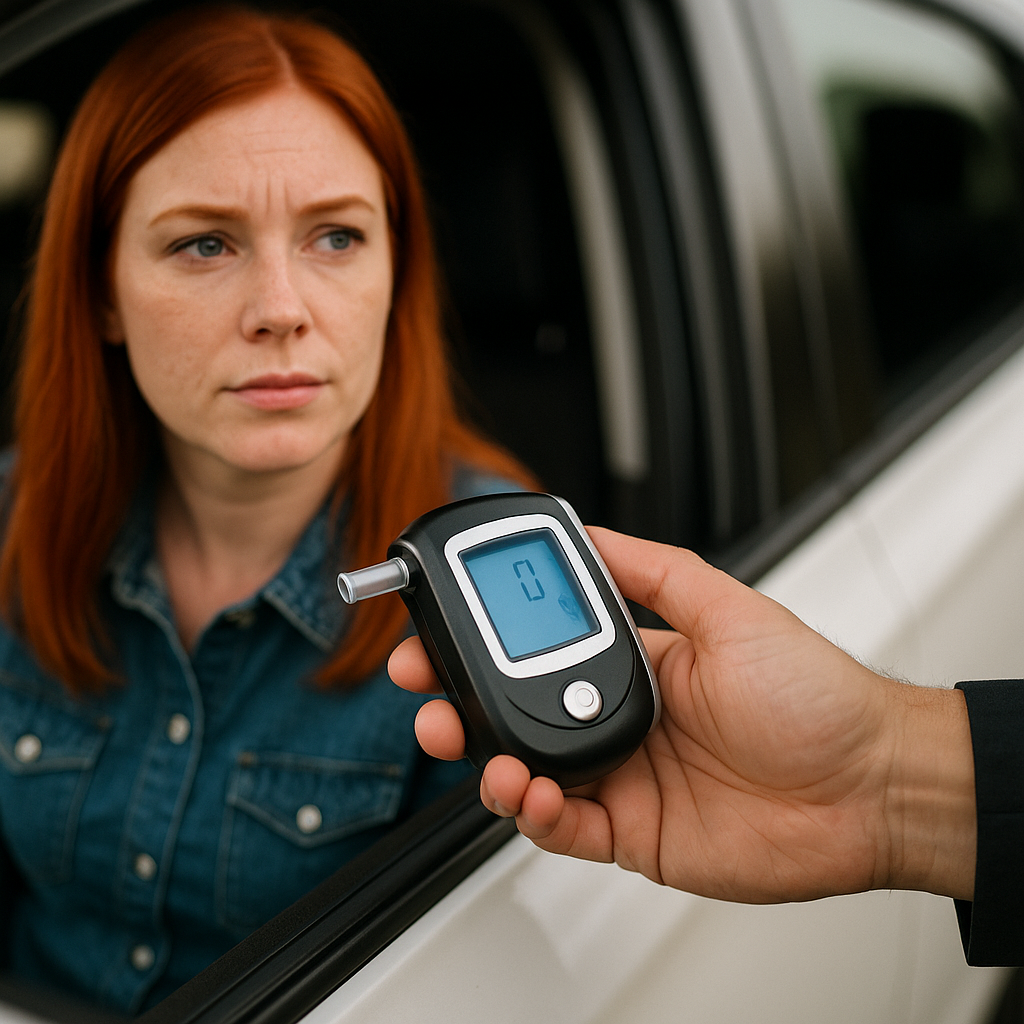
Long Beach DUI drivers face 3-year SR-22 filing and rate increases averaging 110–140%, but six carriers still write high-risk policies in the city. Here's who quotes, what rates look like, and how fast you can recover.
What a DUI Does to Your Long Beach Insurance Access
A DUI conviction in Long Beach triggers mandatory SR-22 filing for three years, immediate policy review by your current carrier, and in most cases, non-renewal at your next term. California does not permit carriers to cancel mid-term for a DUI, but non-renewal at your policy anniversary is standard for drivers with standard or preferred carriers like State Farm, Allstate, or Farmers. You will receive a non-renewal notice 30–60 days before your policy ends, and you are responsible for securing new coverage before that date to avoid a lapse.
Long Beach sits in Los Angeles County, where DUI arrest rates run approximately 1.8 per 1,000 residents annually according to California Department of Justice data — slightly above the state average of 1.5 per 1,000. This higher density contributes to carrier underwriting caution in the city. Fewer standard carriers write new DUI policies here than in lower-density areas like Riverside or San Bernardino, which narrows your options but does not eliminate them.
Rate increases after a Long Beach DUI conviction average 110–140% over your prior premium, with SR-22 filing adding $15–25 per year in processing fees. A driver paying $180/month before a DUI typically sees premiums rise to $380–430/month immediately following conviction. These rates hold for the duration of your SR-22 requirement — three years in California — and begin declining once the filing is released, assuming no additional violations occur during that period. SR-22 insurance
Six Carriers Writing DUI Policies in Long Beach Right Now
The Acceptance Insurance Group, Bristol West, Mendota, National General, Gainsco, and Fred Loya all actively write DUI policies with SR-22 filings in Long Beach as of 2025. Each specializes in non-standard risk and maintains underwriting appetite for drivers with recent DUI convictions, though rate structures and coverage options differ substantially across the six.
The Acceptance Insurance Group and Bristol West typically quote the lowest monthly premiums for Long Beach DUI drivers with otherwise clean records, often landing in the $320–380/month range for state minimum liability coverage. National General and Mendota quote slightly higher — $360–420/month — but offer more flexible payment plans and lower down payment requirements, which matters when you are switching carriers under time pressure after a non-renewal notice.
Gainsco and Fred Loya generally quote higher for DUI risk — $400–480/month for similar coverage — but both write policies other carriers decline, particularly for drivers with multiple violations, suspended licenses recently reinstated, or lapses in coverage history. Rate variation between the lowest and highest quote for identical coverage and driving record regularly exceeds 40% in Long Beach, which makes shopping all six carriers essential rather than optional. non-standard auto insurance
SR-22 Filing Mechanics and California's 3-Year Requirement
California requires SR-22 filing for three years following a DUI conviction, with the clock starting on the date the DMV accepts your filing — not your conviction date or arrest date. Your insurance carrier files the SR-22 electronically with the California DMV on your behalf once you purchase a policy, and the DMV processes the filing within 24–48 hours. Any lapse in coverage during the three-year period triggers an automatic notification from your carrier to the DMV, which immediately suspends your license until you refile and pay a $55 reinstatement fee.
The SR-22 filing itself costs $15–25 per year depending on your carrier, billed either as a one-time annual fee or added to your monthly premium in $1–2 increments. This fee is separate from your liability premium and covers only the administrative filing. Long Beach drivers must carry minimum liability limits of 15/30/5 — $15,000 bodily injury per person, $30,000 per accident, $5,000 property damage — to meet SR-22 requirements, though higher limits reduce financial exposure and sometimes lower your per-dollar premium cost.
Your three-year SR-22 period runs continuously only if you maintain uninterrupted coverage. A single day of lapse resets the clock in California, meaning a lapse 30 months into your filing period restarts the full three-year requirement from the date you refile. This makes autopay and payment monitoring critical for Long Beach DUI drivers, as missed payments create exponentially longer compliance timelines. California SR-22 requirements
Rate Recovery Timeline After Your SR-22 Release
Long Beach DUI drivers see rate declines begin immediately after their three-year SR-22 filing period ends, with the steepest drops occurring in the first 12 months post-release. A driver paying $380/month during SR-22 typically drops to $260–300/month once the filing is removed, assuming no new violations during the three-year period. Rates continue declining annually as the DUI conviction ages, with most drivers returning to near-pre-DUI premiums within 7–10 years of conviction.
California permits carriers to surcharge a DUI for up to 10 years from conviction date, but the surcharge percentage decreases each year. The DUI remains visible on your motor vehicle report for 10 years, but its rate impact diminishes significantly after year five, particularly if you layer in a clean driving record post-conviction. Carriers reward claim-free years and violation-free renewals with incremental rate reductions, which accelerate your recovery timeline.
Shopping carriers again at your SR-22 release date — three years post-conviction — produces the largest immediate rate drop available to Long Beach DUI drivers. Non-standard carriers like Bristol West and Mendota that wrote your SR-22 policy often do not offer the lowest rates once your filing is released, while standard carriers like Mercury, CSAA, or AAA may quote you again at that point. Moving from a non-standard to standard carrier at year three typically cuts monthly premiums by $60–120 for identical coverage.
What Long Beach DUI Drivers Should Do Within 30 Days of Conviction
Request an SR-22 quote from all six carriers writing DUI policies in Long Beach within 30 days of your conviction or DMV suspension notice. Your current carrier will non-renew your policy at your next anniversary, which gives you 30–60 days to secure replacement coverage depending on your policy term date. Waiting until the non-renewal notice arrives cuts your shopping window and forces rushed decisions that often result in higher premiums.
Purchase the highest liability limits you can afford rather than defaulting to California's 15/30/5 minimums. A DUI already signals elevated risk to carriers, and minimum coverage amplifies that signal while exposing you to significant financial liability in any future accident. Increasing limits to 50/100/25 adds $30–60/month to your premium but positions you for lower per-dollar rates once your SR-22 period ends and standard carriers re-enter your market.
Set up autopay and payment alerts immediately after binding your new policy. A single missed payment during your SR-22 period triggers a lapse notification to the DMV, license suspension, and a $55 reinstatement fee — plus a restart of your three-year filing clock. Long Beach drivers cannot afford lapses, and autopay eliminates the most common cause of non-compliance among DUI drivers in California.
How California's Point System Interacts With Your DUI
California assigns two points to your driving record for a DUI conviction, which remain visible for 10 years and count toward your negligent operator threshold for the first 36 months. The state suspends licenses at four points in 12 months, six points in 24 months, or eight points in 36 months, meaning a DUI conviction — worth two points — puts you halfway to a 12-month suspension before adding any additional violations.
Accumulating additional points during your SR-22 period extends your high-risk status and prevents rate recovery. A speeding ticket during your DUI SR-22 filing adds one point and typically increases your monthly premium by another $40–80, while a second DUI within 10 years of your first triggers a minimum one-year license suspension and four-year SR-22 requirement under California's repeat offender rules. Avoiding all moving violations during your three-year SR-22 period is the single highest-leverage action available to accelerate your rate recovery and regain access to standard carriers.
California offers traffic school as a point-masking option for some violations, but DUI convictions are not eligible. Traffic school does not remove DUI points or shorten your SR-22 requirement. The only path to clearing DUI impact is time — the conviction remains on your record for 10 years, and the points count against your negligent operator threshold for the first three years.