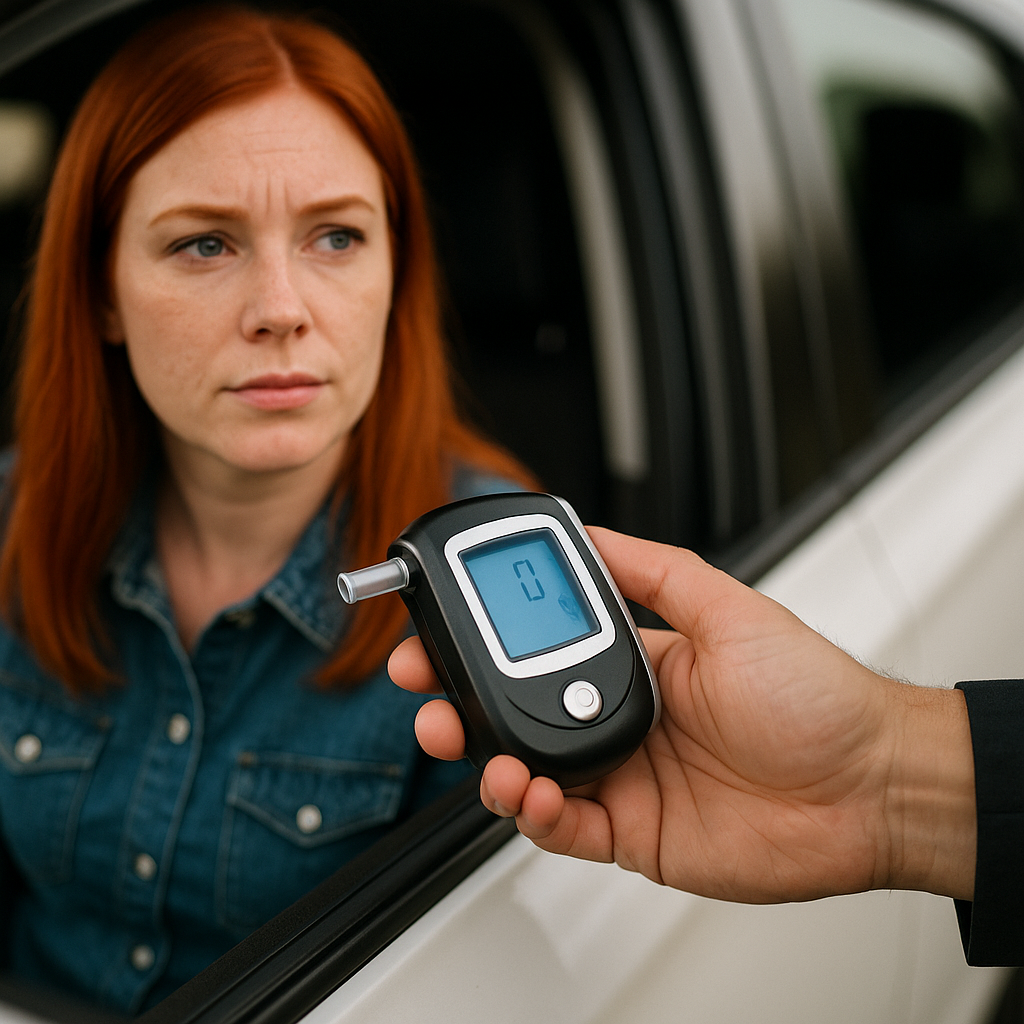
A DUI in Lubbock triggers SR-22 filing, license suspension, and a 2–3x premium increase, but multiple carriers still write high-risk drivers immediately. Here's who's quoting and what it costs.
What Happens to Your License and Insurance After a Lubbock DUI
A first-offense DUI in Texas triggers an automatic 90-day license suspension through the Texas Department of Public Safety (DPS), starting on the 40th day after your arrest unless you request an Administrative License Revocation (ALR) hearing within 15 days. If you lose the ALR hearing or don't request one, the suspension begins and you cannot legally drive during that period. After the suspension, Texas DPS requires you to file SR-22 proof of financial responsibility for two years from your reinstatement date to get your license back.
Your current insurer will likely non-renew your policy within 30–60 days of being notified of the DUI conviction. Texas law allows carriers to cancel or non-renew policies for DUI convictions, and most standard carriers — State Farm, Allstate, GEICO for preferred-risk policies — exit immediately. This means you're shopping for a new policy in the non-standard or high-risk market, where underwriting standards and pricing are completely different from what you've experienced before.
The SR-22 itself is not insurance — it's a certificate your insurer files electronically with Texas DPS proving you carry at least the state minimum liability coverage: 30/60/25 ($30,000 bodily injury per person, $60,000 per accident, $25,000 property damage). The filing fee is typically $15–$50 depending on the carrier, but the real cost is the premium increase tied to the DUI conviction itself, which averages 100–140% in Texas according to rate studies by the Insurance Information Institute.
The Non-Owner SR-22 Gap Most Lubbock Drivers Miss
If you don't own a vehicle during your 90-day suspension — because you sold it, lost access to it, or are relying on others for transportation — you still need to maintain continuous SR-22 coverage to satisfy DPS requirements when your reinstatement date arrives. This is where non-owner SR-22 insurance becomes critical. Non-owner policies provide liability-only coverage when you're driving a vehicle you don't own, and they allow your insurer to file the SR-22 certificate on your behalf even though you have no vehicle titled in your name.
Most Lubbock drivers assume they can wait until after the suspension to get coverage, but Texas DPS requires proof of continuous coverage from the reinstatement date forward. If there's a lapse between your suspension end date and when you secure SR-22 coverage, DPS may extend your suspension or require you to restart the two-year SR-22 filing period. Non-owner policies typically cost $300–$600 per year for DUI drivers in Texas, significantly less than a standard auto policy, and they keep your SR-22 filing active during the period when you're not driving.
Carriers that write non-owner SR-22 in Lubbock include The General, National General, Progressive's non-standard division, and regional high-risk specialists like Acceptance Insurance. Not every agent or online quote tool surfaces non-owner options clearly, so you may need to call directly and specify that you need a non-owner policy with SR-22 filing. If you regain access to a vehicle later, you can convert the non-owner policy to a standard auto policy with the same carrier without restarting your SR-22 clock.
Which Carriers Write DUI Drivers in Lubbock Right Now
The non-standard auto insurance market in Lubbock is smaller than in Dallas or Houston, but multiple carriers actively underwrite DUI risks and file SR-22 certificates. The General, Progressive's non-standard arm, National General, Acceptance Insurance, and Titan Auto Insurance all write policies for drivers with recent DUI convictions in Lubbock and surrounding Lubbock County. These carriers specialize in high-risk profiles and price DUI risk into their base rates, so they don't automatically decline you the way a preferred carrier would.
Rates vary widely by carrier based on how they weight DUI convictions in their underwriting models. A 30-year-old male driver in Lubbock with a DUI and state minimum liability coverage might pay $150–$280 per month depending on the carrier, compared to $60–$90 per month with a clean record. The General and Acceptance tend to be more competitive for drivers with only a DUI and no other violations, while National General and Progressive may offer better rates if you bundle coverage or have a longer clean driving history before the DUI.
Lubbock has fewer independent agents specializing in high-risk drivers compared to larger metro areas, so working with a regional broker or using an aggregator that includes non-standard carriers is often the fastest way to compare quotes. Many online tools exclude non-standard carriers entirely or don't surface SR-22 options clearly, which means you end up quoting with preferred carriers who can't write your risk. Confirm upfront that the agent or tool includes carriers licensed to file SR-22 in Texas before spending time on the quote process.
How Long You'll Carry SR-22 and What Happens If You Lapse
Texas DPS requires SR-22 filing for two years from your reinstatement date for a first-offense DUI. That two-year clock does not start during your suspension — it begins the day your license is reinstated and you're legally allowed to drive again. If your suspension ends on June 1, 2025, and you reinstate that day, your SR-22 requirement runs through June 1, 2027. Your insurer is required to notify DPS immediately if your policy cancels or lapses for any reason during that period.
If your coverage lapses — due to non-payment, cancellation, or switching carriers without maintaining continuous SR-22 filing — Texas DPS will suspend your license again and may restart your two-year filing period from the new reinstatement date. This means a single missed payment or gap in coverage can add months or years to your total SR-22 requirement. Setting up automatic payments and confirming your new carrier files SR-22 before canceling your old policy are the two most effective ways to avoid this.
After your two-year SR-22 period ends, your carrier is required to notify DPS that the filing is no longer active. At that point, you're eligible to shop for standard insurance again, though the DUI conviction will remain on your Texas driving record for three years from the conviction date and may still affect your rates with some carriers. Most drivers see rates drop 30–50% once the SR-22 requirement ends, and another 20–30% once the DUI conviction ages past three years and is no longer surcharged by most insurers.
What Your Premium Actually Covers and Where to Cut Costs
Your SR-22 policy must meet Texas minimum liability limits — 30/60/25 — but many high-risk carriers will push higher limits or add comprehensive and collision coverage, which increases your premium significantly. If you're driving an older vehicle with low market value, dropping collision and comprehensive can reduce your monthly cost by $40–$100. Liability-only coverage is sufficient to maintain your SR-22 filing and satisfy DPS requirements, and it's the configuration most DUI drivers in Lubbock use during their filing period.
Some carriers offer accident forgiveness, diminishing deductibles, or other value-add features that sound appealing but add cost without changing your SR-22 compliance status. Your only legal obligation is maintaining continuous liability coverage at state minimums with active SR-22 filing. Any coverage beyond that is optional, and if your goal is minimizing cost during the SR-22 period, stripping the policy down to liability-only is the most direct path.
Paying your premium in full for six months or annually — if you can manage the upfront cost — often saves 5–10% compared to monthly payment plans, which typically include installment fees of $5–$10 per month. High-risk carriers also tend to re-rate policies more aggressively than standard carriers, meaning your rate may drop at renewal if you've maintained continuous coverage and avoided new violations. Shopping your policy again at each renewal, even if you're still in your SR-22 period, gives you leverage to capture those rate improvements as your risk profile improves.
Reinstatement Costs Beyond Insurance and How to Budget for Them
Getting your license back after a DUI suspension in Texas costs more than just the SR-22 filing and insurance premiums. Texas DPS charges a $125 reinstatement fee to restore your license after the suspension period ends, and that's in addition to any court fines, DUI intervention program fees, or other penalties tied to your conviction. If you were required to install an ignition interlock device as a condition of reinstatement, expect installation and monthly monitoring fees of $70–$150 per month for the duration of the interlock requirement, which can run six months to two years depending on your court order.
Many Lubbock drivers also face occupational or essential needs license (ENL) costs if they need to drive during their suspension for work or medical appointments. Applying for an ENL in Texas costs $10, but you'll need SR-22 coverage in place before DPS will approve the application, and not all carriers allow SR-22 filing on an occupational license. The General and Acceptance are two carriers that typically allow SR-22 on restricted licenses, but you'll need to confirm this during the quote process.
Budgeting for the total cost — insurance premiums, reinstatement fees, interlock costs, and any ENL-related expenses — prevents surprises and helps you avoid lapses that extend your suspension. A typical first-offense DUI in Lubbock carries a total 12-month cost of $2,500–$4,500 when you include all fees and elevated premiums, with costs declining significantly in year two as some fees drop off and your insurance rate begins to normalize. how Texas SR-22 requirements work