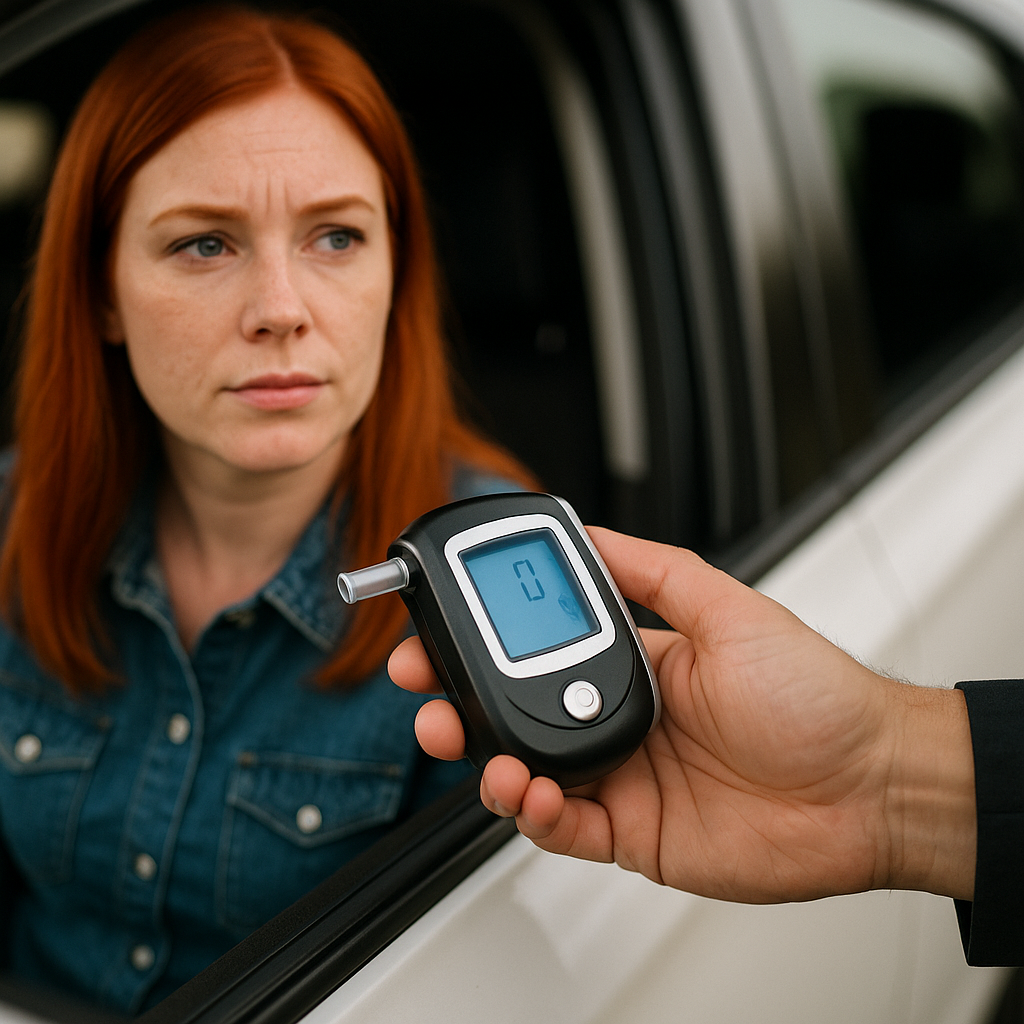
A DUI in Madison doesn't mean you're uninsurable—it means you're shopping in a different carrier pool. Wisconsin requires SR-22 filing, and a handful of insurers specialize in exactly this profile.
Which Carriers Write DUI Policies in Madison Right Now
After a DUI in Wisconsin, your carrier options narrow immediately. Most standard insurers—State Farm, Allstate, American Family—either non-renew at your next policy term or price you out entirely. What remains is a pool of non-standard and high-risk carriers that actively underwrite DUI drivers: Progressive, The General, Dairyland, Direct Auto, Bristol West, and National General. These six write the majority of post-DUI policies in Wisconsin, and availability varies by zip code within Madison.
Progressive handles the largest volume of DUI policies nationwide and maintains competitive rates for drivers with one OWI (Operating While Intoxicated) conviction and no other major violations. The General and Dairyland specialize in high-risk profiles and often quote lower premiums than Progressive for drivers with multiple violations or a suspended license history. Direct Auto and Bristol West serve as fallback options when the first-tier non-standard carriers decline coverage. National General writes selectively but can offer better rates for drivers over 30 with stable employment.
Your rate depends on how many points you're carrying beyond the DUI, your age, and how long it's been since your conviction. Wisconsin assigns 6 points for an OWI conviction, and those points remain on your driving record for 10 years. If you accumulated speeding tickets or other violations in the 3 years before your DUI, you're stacking points—and that pushes you into higher-risk rating tiers even within the non-standard market. A 28-year-old with a first-offense DUI and no other violations might pay $180–$240/month with Progressive. A 28-year-old with a DUI plus two speeding tickets in the past year could see $280–$350/month with The General or Dairyland.
SR-22 Filing Requirements and Costs in Wisconsin
Wisconsin requires SR-22 filing for all DUI convictions, and the filing period is set by the Wisconsin Department of Transportation—not the court. For a first-offense OWI, you'll file SR-22 for 3 years from your license reinstatement date. If your license was revoked for 6–9 months, your 3-year SR-22 clock doesn't start until you reinstate. Second and subsequent OWI offenses trigger longer revocation periods and extended SR-22 requirements, sometimes 5 years or more depending on the number of prior convictions.
The SR-22 filing itself costs $25–$50 with most carriers in Wisconsin. This is a one-time fee per policy term, not an annual charge, though you'll pay it again at each renewal if your SR-22 requirement is still active. The real cost is the premium increase: insurers rate SR-22 filers as high-risk, and the DUI conviction itself typically raises your base rate by 70–130% compared to your pre-conviction premium. If you were paying $90/month before your DUI, expect $150–$210/month after—and that's with a non-standard carrier already pricing for risk.
SR-22 is filed electronically by your insurer directly to the Wisconsin DMV. You don't file it yourself. When you purchase a policy, the carrier submits the SR-22 on your behalf within 24–48 hours. If you let your policy lapse or cancel coverage before your 3-year requirement ends, the carrier is legally obligated to notify the DMV, and your license will be suspended again within 10 days. Wisconsin does not offer hardship exemptions for SR-22 lapses—any gap in coverage resets your filing period and triggers a new suspension. Wisconsin SR-22 requirements
How Long a DUI Affects Your Rates in Wisconsin
Wisconsin's 10-year lookback period for OWI convictions is longer than most states. Your DUI stays on your driving record for a full decade, and insurers can rate you for it during that entire window. However, the rate impact diminishes over time. The steepest surcharge applies in years 1–3 post-conviction, when you're also carrying the SR-22 requirement. Most non-standard carriers reduce your surcharge by 20–30% once you hit year 4, and by year 7, some drivers can transition back to standard carriers if no additional violations have occurred.
Your point total matters as much as the conviction itself. Wisconsin uses a sliding scale: 12 points in 12 months triggers a license suspension, but points accumulate over longer periods and affect your rates even below the suspension threshold. A DUI adds 6 points, which stay on your record for 10 years. If you pick up a speeding ticket (3 points for 11–19 mph over) or an at-fault accident (6 points if cited for a moving violation), you're stacking points and extending the period during which insurers view you as high-risk. A driver with 6 points from a DUI alone might see rates normalize by year 5. A driver with 12 points from a DUI plus two tickets might stay in the non-standard market for 8–10 years.
Rate recovery is not automatic. Insurers re-rate your policy at each renewal based on your current driving record, but they don't proactively move you to a lower-cost tier. You have to re-shop. At year 3, once your SR-22 drops off, request quotes from Progressive, Dairyland, and National General even if you're already insured with one of them—they may offer a better rate tier than your current policy reflects. At year 5, test standard carriers like Auto-Owners or West Bend if you've had no additional violations. At year 7, if your record is otherwise clean, you're often eligible for standard rates again.
License Reinstatement Process After a DUI Suspension in Madison
Wisconsin revokes your license after a DUI conviction, and reinstatement is a multi-step process managed by the Wisconsin DMV. For a first-offense OWI, your license is typically revoked for 6–9 months depending on your blood alcohol content and whether you refused testing. Before you can reinstate, you must complete an alcohol assessment through a state-approved provider, finish any required treatment or education courses, pay a $200 reinstatement fee, and provide proof of SR-22 insurance to the DMV.
The reinstatement fee is separate from court fines and SR-22 filing costs. It's a flat $200 for first-offense OWI, and it must be paid in full before the DMV will process your reinstatement application. You cannot reinstate early, even if you've completed all other requirements—you must serve the full revocation period. Once eligible, you apply for reinstatement online through the Wisconsin DMV portal or in person at a DMV service center. Processing takes 3–5 business days if all documents are in order.
You must have an active SR-22 policy in place before you apply for reinstatement. The DMV will not reinstate your license without proof of SR-22 on file. This means you need to purchase a policy, wait for the carrier to file the SR-22 electronically, and confirm the DMV has received it before submitting your reinstatement application. Most drivers in Madison work with a local independent agent who can coordinate the SR-22 filing and reinstatement paperwork in a single appointment. If you attempt to drive on a revoked license before reinstatement is complete, you're committing a separate offense that carries additional fines, extended revocation, and possible jail time.
What Affects Your Post-DUI Rate in Madison
Your premium after a DUI is not solely determined by the conviction itself. Insurers layer multiple rating factors, and each one compounds the others. Age is the most significant: drivers under 25 with a DUI pay 40–60% more than drivers over 30 with an identical record. Zip code within Madison affects rates by $20–$50/month depending on accident frequency and theft rates in your neighborhood. Coverage limits matter—Wisconsin's minimum liability requirement is 25/50/10, and non-standard carriers often quote only state minimums to keep premiums low, but upgrading to 50/100/25 increases your monthly cost by $15–$30.
Your violation history outside the DUI is scrutinized closely. A single DUI with no other points might qualify you for Progressive's mid-tier non-standard rates. A DUI plus a speeding ticket in the past 12 months, or a DUI plus an at-fault accident, pushes you into higher-risk tiers where The General or Dairyland are often the only options. Insurers also evaluate gaps in coverage: if you let your policy lapse after your DUI and went 30+ days uninsured, you'll be rated as a lapse risk on top of the DUI surcharge.
Credit score affects rates in Wisconsin, and most DUI drivers don't realize how much. Non-standard carriers weigh credit more heavily than standard insurers because they're already underwriting high-risk profiles and need additional predictors of claim likelihood. A driver with a DUI and good credit (700+) might pay $190/month. The same driver with poor credit (below 600) could pay $270/month with the same carrier. Wisconsin allows insurers to use credit-based insurance scores, and opting out is not possible—if you refuse to authorize a credit check, the carrier will assign you their highest-risk rate tier by default.
Shopping Strategy for Madison DUI Drivers
The single highest-leverage action available to you after a DUI is shopping carriers at every renewal. Non-standard insurers do not compete on brand loyalty—they compete on which risk factors they weight most heavily in underwriting. Progressive might offer the best rate today, but if you pick up a speeding ticket next year, Dairyland could be $40/month cheaper at your next renewal because they assign lower surcharges to minor violations when a DUI is already on file.
Request quotes from at least three carriers every 12 months. Do not assume your current insurer is still your best option. Non-standard carriers re-rate aggressively, and your premium can jump 15–25% at renewal even with no new violations simply because the carrier adjusted their risk model or your policy aged into a higher-cost tier. Independent agents in Madison who specialize in high-risk drivers can run quotes across multiple non-standard carriers in one session, and they often have access to regional insurers like Dairyland or West Bend that don't quote directly to consumers online.
Timing matters. Shop 30–45 days before your renewal date, not the week before. Non-standard carriers sometimes require additional underwriting for DUI drivers—motor vehicle record pulls, proof of SR-22 filing, confirmation of license reinstatement—and processing can take 5–7 business days. If you wait until the last minute and your current carrier non-renews you, you could face a coverage gap, which triggers an automatic SR-22 violation and license suspension. Wisconsin does not allow same-day policy binding for SR-22 drivers switching carriers—the new insurer must file the SR-22 and wait for DMV confirmation before coverage takes effect.