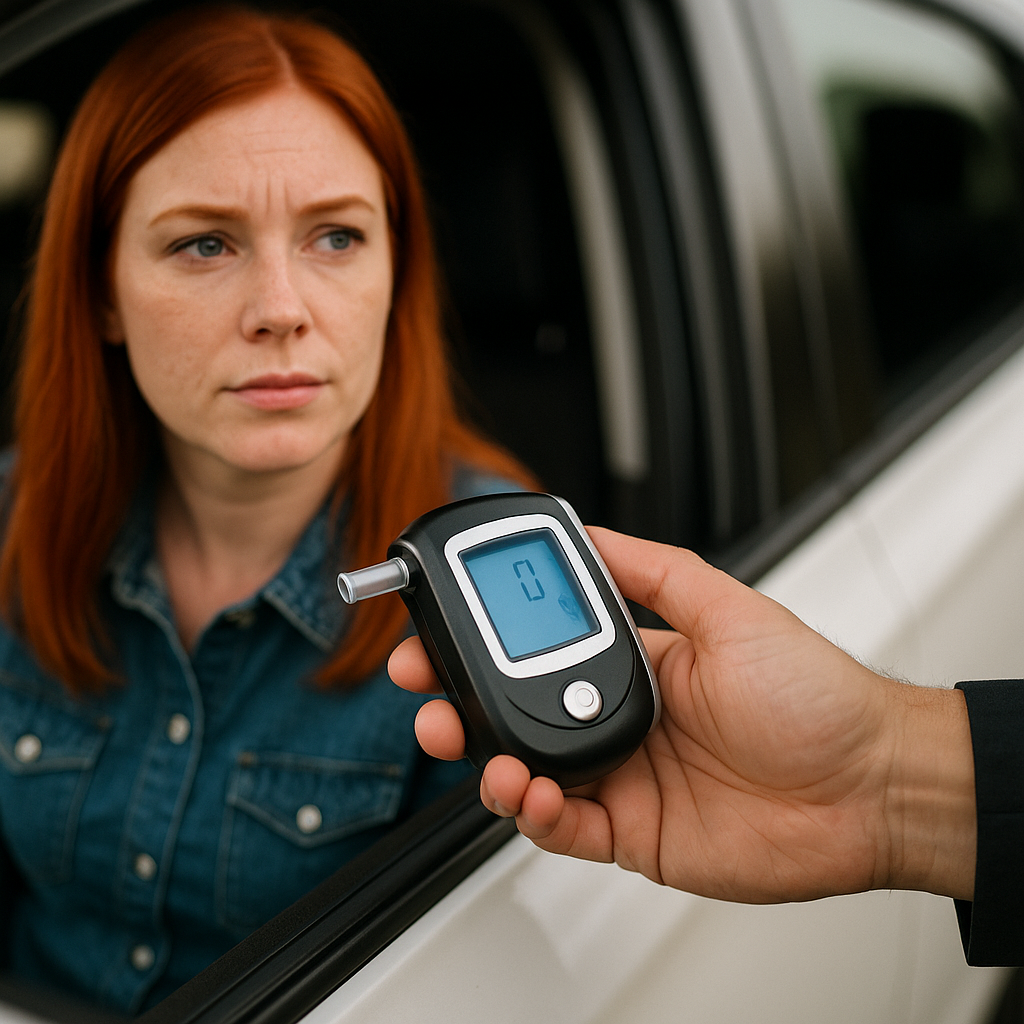
Most Memphis drivers with a DUI assume they're uninsurable or stuck with SR-22-only carriers. Tennessee has no state-mandated carrier of last resort, but several standard and non-standard insurers still actively write post-DUI policies if you know where to look.
Tennessee SR-22 Requirements and Filing Duration After a DUI
Tennessee requires 3 years of continuous SR-22 filing following a DUI conviction, starting from the date your license is reinstated — not the date of conviction. The Tennessee Department of Safety and Homeland Security mandates the SR-22 as proof of financial responsibility, and any lapse in coverage during that 3-year window resets the clock. The filing itself costs $25–$50 through most carriers, but the real cost is the premium increase that comes with it.
Memphis drivers often confuse the SR-22 filing period with the license suspension period. A first-offense DUI in Tennessee triggers a 1-year license revocation, but the SR-22 requirement begins only after you've completed that revocation, paid reinstatement fees, and applied for license reinstatement. If you're convicted in 2024 and your license is revoked for one year, your SR-22 filing period runs from 2025 through 2028. Missing a single premium payment during that window extends your requirement and delays rate recovery.
Tennessee does not offer a restricted or hardship license during the revocation period for a first DUI, which means you cannot legally drive — and therefore cannot maintain SR-22 insurance — until reinstatement. This creates a gap period where shopping for post-DUI coverage is essential but cannot be activated until your eligibility date. Start the quoting process 60–90 days before reinstatement to avoid last-minute filing delays. Tennessee SR-22 requirements
Rate Increases After a Memphis DUI: What to Expect
A DUI conviction in Memphis typically increases your car insurance premium by 80–140% compared to your pre-violation rate, with the exact increase depending on your carrier, age, coverage limits, and prior driving history. A driver paying $1,200 per year before a DUI should expect to pay $2,160–$2,880 annually during the SR-22 filing period. Rates begin to normalize after the SR-22 requirement ends, but the DUI remains on your Tennessee driving record for 10 years and continues to affect underwriting decisions for 5–7 years at most carriers.
Memphis ZIP codes 38104, 38114, and 38109 already carry elevated base rates due to accident frequency and theft rates, which compounds post-DUI pricing. A DUI driver in Midtown Memphis may see higher premiums than a driver with an identical violation history in Germantown or Collierville simply due to territory rating. Non-standard carriers apply their own territory multipliers, and some restrict coverage availability in specific Memphis ZIP codes entirely.
Your rate trajectory depends heavily on whether you shop beyond your current carrier. Drivers who stay with their pre-DUI insurer after SR-22 filing often pay 40–60% more than drivers who switch to a non-standard carrier specializing in high-risk policies. The first year post-reinstatement is the most expensive, but rates drop incrementally each year you maintain continuous coverage without additional violations.
Which Carriers Still Write DUI Policies in Memphis
Tennessee has no assigned risk pool, which means if a carrier declines to insure you after a DUI, there is no state-mandated fallback option. You must find a carrier willing to write the policy voluntarily. Three national non-standard carriers actively write post-DUI SR-22 policies in Memphis without waiting periods: The General, Bristol West, and National General. All three file SR-22 certificates electronically with the Tennessee Department of Safety and can bind coverage the same day if you meet minimum underwriting requirements.
Two regional carriers also write DUI policies in Tennessee but apply stricter underwriting: Safe Auto and Acceptance Insurance. Both require proof of license reinstatement before binding and may impose higher liability limits than state minimums as a condition of coverage. Safe Auto typically requires 50/100/25 limits instead of Tennessee's 25/50/15 minimum, which increases premium but may improve your rate 2–3 years post-DUI when you're eligible to shop back into standard markets.
Most Memphis drivers lose access to GEICO, State Farm, Allstate, and Progressive after a first DUI. These carriers either non-renew at the end of your current term or decline to file the SR-22 on your behalf, forcing you into the non-standard market. A small subset of independent agents in Memphis can access surplus lines carriers like Dairyland or Alliance United, but these require manual underwriting and often take 5–10 business days to quote. If you need coverage immediately for reinstatement, start with The General or Bristol West. non-standard auto insurance
Tennessee Reinstatement Costs and SR-22 Filing Process
Reinstating your license after a DUI in Tennessee requires three separate actions: completing the revocation period, paying a $100 reinstatement fee to the Tennessee Department of Safety, and filing an SR-22 certificate proving you carry minimum liability coverage. The SR-22 must be filed by your insurance carrier directly — you cannot file it yourself. Total out-of-pocket reinstatement cost before insurance premiums is typically $250–$400, including reinstatement fees, SR-22 filing, and any court-ordered alcohol safety program fees.
Memphis drivers must also complete a state-approved alcohol and drug safety program before reinstatement, which costs $50–$75 and requires 4–6 hours of classroom time. The Tennessee Department of Safety will not process your reinstatement application without proof of program completion, which delays your SR-22 filing timeline if you wait until the last minute. Schedule the program 30–60 days before your eligibility date to avoid processing delays.
Once you've obtained an SR-22 policy, your carrier files the certificate electronically with the state within 24–48 hours. The Tennessee Department of Safety processes the filing and mails your reinstated license within 7–10 business days. You cannot legally drive during that processing window, even with proof of SR-22 insurance, unless you visit a Driver Services Center in person and request same-day reinstatement. The Memphis Driver Services Center at 5240 Summerhill Road offers same-day service but often has 2–3 hour wait times.
Rate Recovery Timeline and What Happens After Year Three
Your SR-22 requirement ends after 3 consecutive years of continuous coverage without lapses. Tennessee does not send a notification when your requirement expires — it simply stops appearing on your driving record. Most carriers automatically remove the SR-22 filing fee from your premium at renewal once the 3-year period ends, but your rate does not immediately return to pre-DUI levels. The DUI conviction remains on your Tennessee driving record for 10 years and continues to affect your risk classification for 5–7 years at most insurers.
After your SR-22 requirement ends, you become eligible to shop standard and preferred carriers again, but approval depends on your total driving history during the filing period. If you maintained continuous coverage with no additional violations, you may qualify for standard rates 40–60% lower than your SR-22 premiums. If you accumulated points, at-fault accidents, or lapses during the SR-22 period, you remain in the non-standard market longer.
Shop for new coverage 30 days before your SR-22 requirement ends to capture the lowest available rate at the 3-year mark. Carriers like Kemper, Progressive, and Nationwide may offer standard policies to post-SR-22 drivers with clean 3-year histories, but they require manual underwriting and quotes can take 5–7 business days. Do not cancel your current SR-22 policy until the new policy is bound and effective — even a 1-day lapse restarts your 3-year SR-22 requirement from zero.
Memphis-Specific Carrier Availability and Territory Restrictions
Some non-standard carriers restrict coverage in specific Memphis ZIP codes due to elevated claims frequency. Bristol West and National General write policies across all Memphis ZIP codes, but The General limits new business in 38114, 38126, and 38127, requiring manual underwriting approval for DUI drivers in those territories. If you live in one of these restricted ZIP codes, expect quoting timelines to extend by 3–5 business days and premiums to run 15–25% higher than equivalent coverage in Germantown or East Memphis.
Memphis drivers with a DUI and a lapse in coverage face compounded underwriting penalties. A DUI alone is a high-risk event, but a lapse of 30 days or more during or after the conviction signals non-payment risk to underwriters. Some carriers will decline coverage outright if you have both a DUI and a lapse within the past 12 months, leaving only surplus lines carriers as an option. Those policies often require 6 months of paid-in-full premiums and carry cancellation penalties if you miss a renewal payment.
If you're currently uninsured and need SR-22 coverage to reinstate after a DUI, expect to pay the first month's premium plus the SR-22 filing fee upfront before the carrier files the certificate. Non-standard carriers rarely extend financing or payment plans to drivers with both a DUI and a lapse, so plan for $250–$400 in upfront costs to activate coverage and begin the reinstatement process.