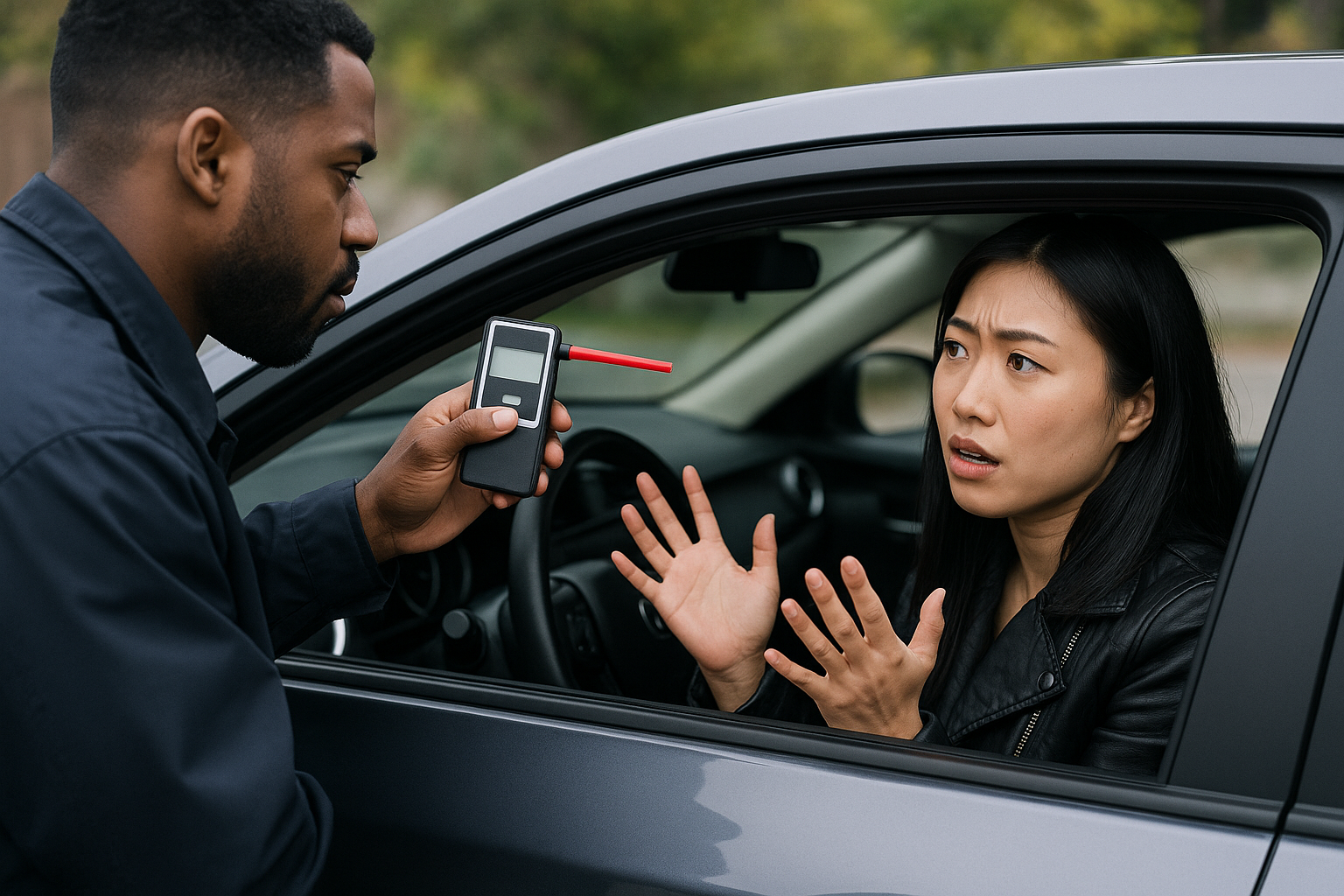
A DUI in Miami triggers SR-22 filing, average premiums of $460/mo, and limits your carrier options — but at least 8 non-standard insurers still write Florida DUI drivers without requiring a wait period.
What a Miami DUI Does to Your Insurance Access
A DUI conviction in Miami triggers an immediate SR-22 filing requirement, a minimum 3-year filing period under Florida law, and automatic non-renewal or cancellation from your current carrier if they're a standard insurer. Most major carriers — GEICO, State Farm, Progressive's standard lines — will not renew a policy after a Florida DUI conviction. You're moved into the non-standard or high-risk insurance market, which operates with different underwriting rules, higher premiums, and fewer brand names you recognize.
Florida requires continuous SR-22 coverage for 3 years following a DUI conviction, and any lapse in coverage — even a single day — resets that 3-year clock from the date you refile. The Florida Department of Highway Safety and Motor Vehicles (FLHSMV) receives electronic notification of lapses directly from insurers, and your license is suspended automatically if coverage drops. This means your primary task after a Miami DUI is not finding the cheapest rate — it's finding a carrier that will issue you an SR-22 policy immediately and keep you covered without interruption for the full filing period.
Miami-Dade County sees approximately 8,000 DUI arrests annually, and the majority of those drivers return to insured status within 60 days of conviction. That volume sustains a competitive non-standard market in South Florida. Carriers who specialize in high-risk drivers — including those writing exclusively in Florida — maintain active underwriting in Miami because the customer base is large and stable enough to justify it.
Which Carriers Write DUI Drivers in Miami Right Now
At least 8 non-standard carriers actively write DUI policies in Miami-Dade County without requiring a waiting period after conviction. These include Florida-focused carriers like Acceptance Insurance, Infinity Insurance, and Direct Auto Insurance, as well as national non-standard writers like The General, Bristol West (a Farmers subsidiary), and Alliance United. None of these carriers require you to wait 30, 60, or 90 days post-conviction before issuing a policy — you can bind coverage the same day you need SR-22 filing, assuming you meet their underwriting criteria for other risk factors.
Progressive and GEICO both write non-standard auto policies in Florida, but their willingness to quote a DUI driver varies by additional factors: your age, whether you have other violations in the past 3 years, and whether the DUI involved an accident or refusal. Progressive's non-standard division is more likely to quote if the DUI is your only major violation in 5 years. GEICO typically refers Florida DUI drivers to their affiliate, Geico Advantage, which functions as a non-standard product but may still decline multi-violation risks.
Regional carriers matter in Miami. Southern Oak Insurance and Gulfstream Property & Casualty both operate in Florida and write DUI risks, though availability fluctuates based on their current book of business. If you're calling agents directly, ask whether they have appointments with Florida-specific carriers — not just the national names. Many independent agents in Miami maintain access to 4-6 non-standard carriers, and shopping between them can produce rate spreads of $150/mo or more for the same coverage limits. SR-22 insurance non-standard auto insurance
What You'll Pay for SR-22 Coverage in Miami After a DUI
Average monthly premiums for SR-22 coverage in Miami after a DUI range from $380 to $540 per month for state minimum liability coverage, with a realistic median around $460/mo for a driver in their 30s with no other violations. That's roughly 180-220% higher than the Miami average for a clean-record driver, which sits near $165/mo for the same limits. Rates vary significantly by carrier, age, ZIP code within Miami-Dade, and how long it's been since your conviction date — but expect to remain in non-standard pricing for at least 3 years, and closer to 5 years before you're eligible for standard-market rates again.
The SR-22 filing fee itself is $15-25 in Florida, paid once at the start of your policy and again if you switch carriers during your filing period. This fee is separate from your premium and goes to the state for processing the electronic filing. Some carriers roll it into your first month's premium; others bill it separately. It's a one-time administrative cost, not a monthly surcharge.
Your premium will begin to drop as time passes from your conviction date, but the reduction is gradual. Most carriers reduce DUI surcharges modestly after 1 year, more significantly after 3 years (when your SR-22 filing period ends), and approach standard pricing after 5 years if you maintain a clean record during that time. In Miami's non-standard market, expect a 10-15% rate decrease each year for the first 3 years post-conviction, assuming no new violations. If you add another ticket or at-fault accident during your SR-22 period, your rates will plateau or increase rather than decline.
How Miami's Legal and Geographic Factors Affect Your Coverage
Miami sits in a unique insurance environment due to Florida's status as a no-fault state, Miami-Dade's high uninsured motorist rate (estimated at 20-26% countywide), and elevated litigation costs for auto claims. These factors increase baseline premiums for all drivers, but they hit non-standard risks harder because carriers price for the likelihood of filing a claim in an expensive jurisdiction. A DUI driver in Miami will pay more than a DUI driver in Jacksonville or Tallahassee for equivalent coverage, even with the same conviction date and driving record.
Florida's no-fault system requires Personal Injury Protection (PIP) coverage of at least $10,000, and that PIP requirement adds $80-120/mo to non-standard policies in Miami. You cannot waive PIP, and non-standard carriers do not offer the same PIP deductible options or medical payment exclusions available to standard-market drivers. Budget for PIP as a fixed cost on top of your liability premium when calculating total monthly outlay.
Miami-Dade also has dense traffic, high accident frequency, and significant uninsured motorist exposure, which means non-standard carriers apply higher base rates to all policies written in the county. If you live in Hialeah, Liberty City, or Opa-locka, expect rates near the top of the $380-540 range. If you live in Coral Gables, Pinecrest, or Key Biscayne, expect rates closer to the middle or lower end, assuming other risk factors are equal. ZIP code-level rating is aggressive in Miami's non-standard market.
What to Do Immediately After a Miami DUI Conviction
Your first action after conviction is to contact an independent insurance agent or non-standard carrier directly and request an SR-22 policy. Do not wait for your current insurer to cancel you. If you allow a lapse between your old policy's cancellation date and your new SR-22 policy's effective date, your 3-year SR-22 clock resets and your license is suspended. Bind new coverage before your existing policy ends, even if it means overlapping coverage for a few days. The cost of overlap is negligible compared to the reinstatement fees and extended SR-22 period triggered by a lapse.
Call at least 3 carriers or agents who specialize in non-standard Florida auto insurance. Rates for the same driver with the same DUI can vary by $100-200/mo between carriers writing in Miami. If the first quote you receive is above $500/mo and you have no other violations, you have room to shop. Ask each agent which carriers they represent and whether they can quote you with more than one. Multi-carrier agents give you the most comparison options in a single call.
Set up automatic payments and policy renewal reminders. Non-standard carriers are less forgiving of late payments than standard insurers, and a single missed payment can trigger cancellation and a coverage lapse. Many non-standard policies in Florida are written on 6-month terms with manual renewal, meaning you need to confirm renewal 30 days before your policy expires or risk a gap. Calendar reminders, autopay, and direct communication with your agent 45 days before each renewal date will keep you continuously covered and prevent resetting your SR-22 clock.
How Long You'll Stay in the Non-Standard Market
Your SR-22 filing obligation lasts 3 years in Florida, but your eligibility to return to standard insurance rates typically takes 5 years from your conviction date. Most standard carriers will not quote a driver with a DUI on record until at least 5 years have passed, and some require 7 years. That means even after your SR-22 filing period ends, you'll remain in non-standard or preferred-risk pricing for an additional 2-4 years, depending on the carrier and your overall record during that time.
If you maintain a clean driving record — no tickets, no at-fault accidents, no lapses in coverage — for the 5 years following your DUI, you become eligible for standard-market quotes again. At that point, shop aggressively. Your rates can drop by 40-60% when moving from non-standard to standard pricing, and the carriers who insured you during your SR-22 period will not automatically lower your rates to match standard-market levels. You need to re-shop and switch carriers to capture that savings.
Some drivers remain in non-standard markets longer than necessary because they don't re-shop after their SR-22 period ends. Your current carrier has no incentive to tell you when you're eligible for better rates elsewhere. Set a calendar reminder for 5 years post-conviction and request quotes from standard carriers at that time. If you've kept your record clean, you'll qualify for significantly lower premiums, and switching is worth the administrative effort.
What Happens If You Move Out of Miami During Your SR-22 Period
If you move to another Florida county during your 3-year SR-22 filing period, your SR-22 obligation continues without interruption, but your premium may change depending on the rating territory of your new address. Moving from Miami-Dade to a lower-cost county like Polk, Marion, or Walton can reduce your monthly premium by $50-100, even with the same carrier and coverage. Update your address with your insurer immediately when you move — failure to report a change of address can be grounds for policy cancellation, which triggers a lapse and resets your SR-22 clock.
If you move out of Florida entirely, your Florida SR-22 requirement does not transfer automatically. You'll need to confirm with the FLHSMV whether your new state has a reciprocal SR-22 or FR-44 filing requirement, and you'll need to obtain a new policy in your new state that includes the appropriate financial responsibility filing. Not all states use SR-22 — some use different forms or have no equivalent requirement — and gaps in filing can result in Florida suspending your license even if you no longer live there.
If you plan to move during your SR-22 period, coordinate with your current agent and a new agent in your destination state at least 30 days before your move. Ensure that your new policy includes the required filing, that it's effective before your old policy cancels, and that both your old state and new state receive the necessary documentation. Moving states during an SR-22 period is administratively complex, and lapses caused by miscommunication between states and carriers are common. Plan ahead and verify filing status with both DMVs directly. Florida SR-22 requirements