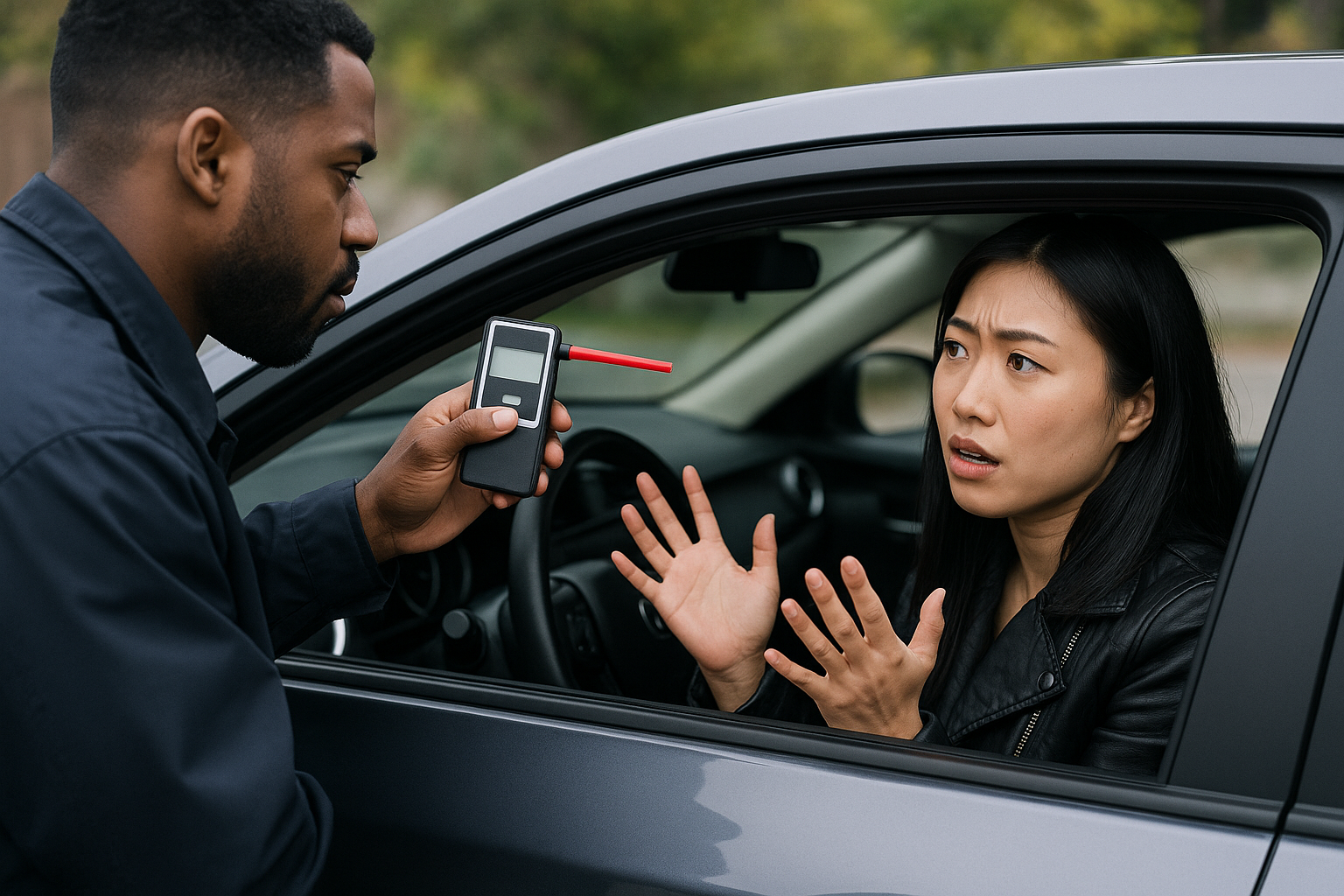
A DUI in Minneapolis doesn't blacklist you from coverage — but Minnesota's average post-DUI rate of $2,400/year means knowing which carriers still compete for your business matters more than ever.
What a DUI Does to Your Insurance Cost in Minneapolis
A DUI conviction in Minnesota triggers an average rate increase of 70–130%, depending on your carrier and prior record. If you were paying $1,200/year before the conviction, expect quotes between $2,040 and $2,760 annually once the DUI appears on your driving record. Minnesota requires SR-22 filing for most DUI convictions, adding $25–50 to your annual cost — but the filing fee is negligible compared to the premium spike itself.
Your current carrier will almost certainly re-rate you at renewal or non-renew your policy outright. State Farm, Farmers, and American Family — three of the largest standard carriers in Minneapolis — routinely non-renew DUI drivers rather than offer high-risk renewals. This is not punitive; it reflects underwriting guidelines that prohibit covering drivers with recent major violations. Non-renewal forces you into the non-standard market, where carriers like Progressive, Dairyland, National General, and Acceptance specialize in post-DUI coverage.
The Minneapolis metro area supports a competitive non-standard insurance market because of population density and the volume of high-risk drivers. This means you have genuine leverage to shop — non-standard carriers in Minneapolis compete on price more aggressively than in rural Minnesota, where fewer insurers write high-risk policies. The difference between the highest and lowest quote for the same Minneapolis DUI driver often exceeds $800/year.
SR-22 Filing Requirements After a Minneapolis DUI
Minnesota law mandates SR-22 filing for drivers convicted of DUI, driving after suspension, or accumulating multiple major violations within a short period. The SR-22 is not a type of insurance — it is a certificate your insurer files with the Minnesota Department of Public Safety proving you carry at least the state minimum liability coverage: 30/60/10 ($30,000 bodily injury per person, $60,000 per accident, $10,000 property damage).
Your SR-22 filing period in Minnesota is determined by the court order or the Department of Public Safety action that triggered the requirement. For most first-offense DUI convictions, Minnesota requires three years of continuous SR-22 filing from the date your license is reinstated — not from the date of conviction or arrest. If your license was suspended for 90 days and you wait an additional six months before reinstating, your three-year SR-22 clock starts when you reinstate, not when the suspension began.
Any lapse in coverage during your SR-22 period resets the clock. If your policy cancels for non-payment in month 28 of your three-year requirement, the Minnesota DVS receives a cancellation notice from your insurer, your license suspends again, and when you reinstate, you start a new three-year SR-22 period. This makes continuous payment critical — even a 24-hour lapse can restart your entire filing requirement. Minnesota's SR-22 requirements SR-22 insurance
Which Carriers Write DUI Drivers in Minneapolis
Non-standard carriers dominate the post-DUI market in Minneapolis. Progressive writes more high-risk auto policies nationwide than any other carrier and maintains aggressive pricing in the Twin Cities metro. Dairyland, a subsidiary of Sentry Insurance, specializes exclusively in non-standard and SR-22 business and typically offers competitive quotes for Minneapolis drivers with recent DUIs. National General, Acceptance, and The General also actively write DUI policies in Minnesota, though rates and underwriting appetite vary.
Some captive and regional carriers — including State Auto and Hastings Mutual — will consider DUI drivers on a case-by-case basis, particularly if the violation is isolated and you have an otherwise clean long-term record. These carriers rarely advertise high-risk coverage but may offer renewal options if you've been a policyholder for years before the DUI. This is worth exploring if you have a relationship with an independent agent who represents multiple carriers.
Avoid assigned-risk pools unless you've exhausted all voluntary market options. Minnesota operates the Minnesota Automobile Assigned Claims Plan (MAACP), which assigns high-risk drivers to participating insurers when no voluntary market coverage is available. Assigned-risk premiums average 40–60% higher than voluntary non-standard market rates for the same driver profile. MAACP exists as a last resort, not a first stop — shop at least three non-standard carriers before considering assigned risk. non-standard auto insurance
How Long a DUI Affects Your Minneapolis Insurance Rates
A DUI conviction remains on your Minnesota driving record for 10 years, but insurers do not surcharge for the full decade. Most carriers apply the highest rate increase for the first three years following conviction, then gradually reduce the surcharge between years four and six. By year seven, many non-standard carriers will reclassify you as a standard or preferred-risk driver if you've maintained a clean record since the DUI.
Your SR-22 filing period ends after three years (assuming no lapses), but your insurance rates do not automatically drop when the SR-22 is released. The DUI conviction itself drives the rate increase, not the SR-22 filing. Expect material rate improvement after year three, more significant improvement after year five, and full rate normalization after year seven — assuming no additional violations, at-fault accidents, or coverage lapses during that period.
Rebuilding your rate requires continuous coverage and annual shopping. Non-standard carriers re-evaluate your risk profile every year. A driver who completes SR-22 filing, pays premiums on time, and avoids new violations becomes progressively less expensive to insure. Shopping your policy at each renewal during years three through six typically yields the steepest rate reductions as you move from high-risk to standard underwriting tiers.
What Minneapolis DUI Drivers Need to Know About Coverage Limits
Minnesota requires 30/60/10 liability minimums, but carrying state minimums after a DUI exposes you to significant financial risk. If you cause an accident that injures another driver, $30,000 in bodily injury coverage will not cover most hospital bills, lost wages, or long-term care costs. The median cost of a serious injury accident in Minnesota exceeds $80,000, and you are personally liable for any damages beyond your policy limits.
Many non-standard carriers will only quote state minimum coverage for DUI drivers during the first year post-conviction, restricting your ability to purchase higher limits until you demonstrate payment consistency and a clean period. This is an underwriting control, not a legal restriction — if a carrier offers you 100/300/100 limits, you can purchase them. Expect to pay 30–40% more for 100/300/100 compared to 30/60/10, but the coverage difference is material.
Uninsured motorist coverage (UM/UIM) becomes more important after a DUI because you are statistically more likely to be involved in future accidents, and Minnesota's uninsured driver rate sits near 12%. UM/UIM covers your injuries if you're hit by a driver with no insurance or insufficient limits. Most non-standard carriers offer UM/UIM as an optional endorsement — add it if your budget allows, particularly if you're carrying passengers regularly.
Rate Recovery Strategy for Minneapolis DUI Drivers
Your highest-leverage action after a DUI is shopping your policy with at least three non-standard carriers before your current policy renews or non-renews. Do not wait for your carrier to send a non-renewal notice — begin shopping 45–60 days before your renewal date to ensure continuous coverage and avoid lapses that reset your SR-22 clock.
Complete any court-ordered requirements — DWI classes, chemical dependency assessments, ignition interlock periods — as quickly as possible. Some carriers reduce rates or reclassify risk tiers once court obligations are satisfied and documented. Keep proof of completion for every program; your insurer may request it during underwriting.
Consider a defensive driving course even if not court-ordered. Minnesota does not mandate point reduction or rate discounts for voluntary defensive driving courses, but some carriers — particularly Dairyland and National General — offer 5–10% discounts for drivers who complete approved courses after a major violation. Verify the discount with your insurer before enrolling, as not all carriers recognize voluntary courses post-DUI.