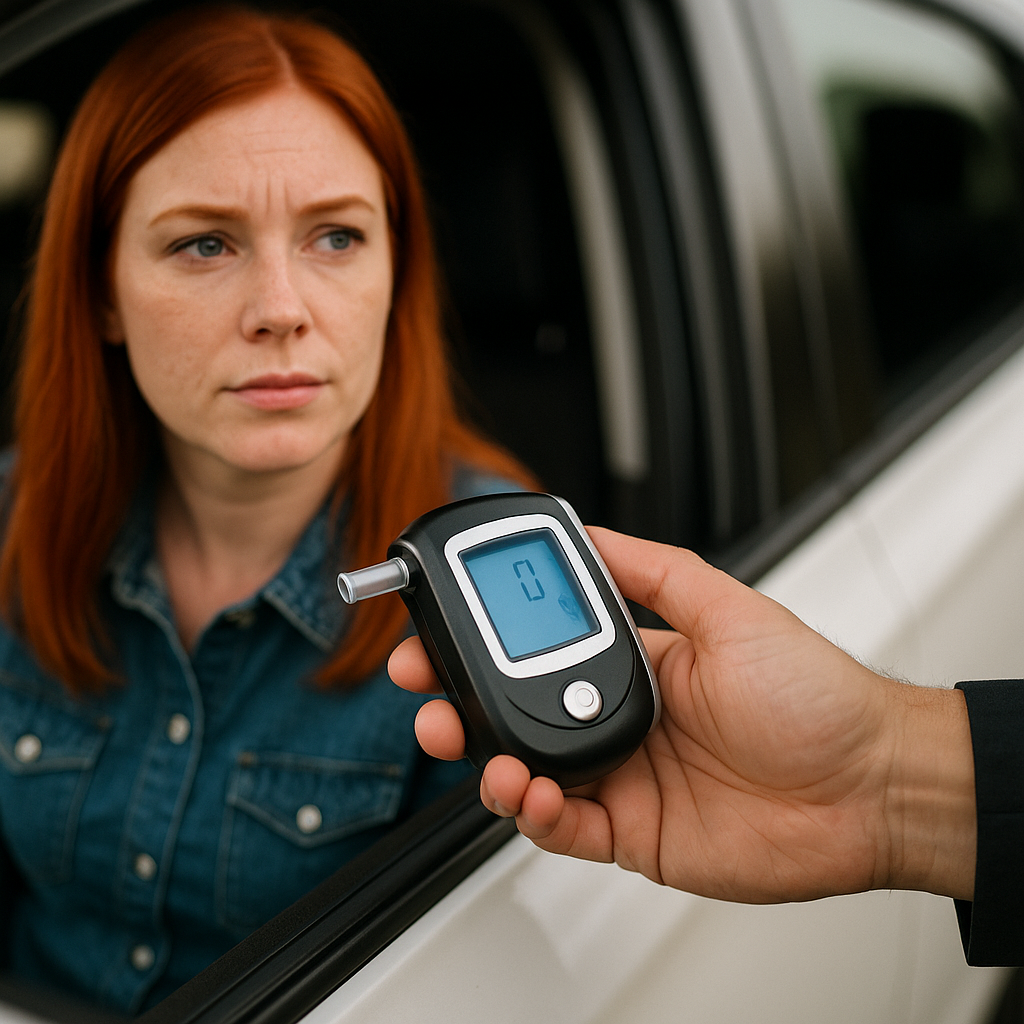
A DUI in Minnesota triggers a minimum 3-year SR-22 requirement and rate increases averaging 60–90%. Not every carrier will write your policy, but several non-standard carriers specialize in post-DUI coverage and will quote you today.
What a DUI Does to Your Minnesota Insurance Coverage
A DUI conviction in Minnesota triggers an immediate SR-22 filing requirement, typically for three years minimum. The SR-22 is not insurance — it's a state-monitored certificate your insurer files with the Minnesota Department of Vehicle Services proving you carry at least the state minimum liability coverage: 30/60/10 ($30,000 bodily injury per person, $60,000 per accident, $10,000 property damage). Your current carrier may drop you at renewal, or they may keep you but reclassify you as high-risk and increase your premium.
Most standard carriers — State Farm, Progressive's standard lines, Allstate — either non-renew DUI drivers or impose rate increases so steep that non-standard carriers become the more affordable option. The filing itself costs $25–$50 as a one-time fee, but the real cost is the premium increase: Minnesota DUI drivers see rate jumps averaging 60–90% compared to their pre-DUI rate, according to 2024 data from the Minnesota Department of Commerce. That's lower than the national DUI penalty of 70–130%, largely because Minnesota has several regional carriers and a competitive assigned-risk pool that prevents runaway pricing.
Your SR-22 filing period starts the day your insurer files the certificate with the state. If your policy lapses for any reason — missed payment, cancellation, non-renewal without replacement — your carrier is required to notify the Minnesota DVS within 10 days, and your license will be suspended again. You'll need to refile SR-22 and pay reinstatement fees to get it back. The three-year clock does not pause during a suspension; it only runs while you maintain continuous coverage. Minnesota SR-22 requirements non-standard auto insurance
Non-Standard Carriers That Write Post-DUI Coverage in Minnesota
Non-standard carriers specialize in high-risk drivers and expect to insure people with DUIs. They price risk differently than standard carriers, and many operate exclusively in the high-risk space. In Minnesota, the most accessible non-standard carriers for DUI drivers are Bristol West, Dairyland, Progressive's non-standard division (available through independent agents), National General, and Foremost. All five write SR-22 policies in Minnesota and will quote drivers with recent DUI convictions.
Bristol West and Dairyland are consistently among the most competitive for DUI drivers in Minnesota. Both are regional specialists with appetite for high-risk auto, and both allow online quoting or agent-assisted quoting. National General and Foremost often appear in broker quotes and may offer lower rates if you bundle with renters or homeowners coverage. Progressive's non-standard division is separate from their standard direct-to-consumer business — you'll need to work with an independent agent to access it, but it's worth the call because Progressive prices DUI risk aggressively in Minnesota.
The Minnesota Automobile Insurance Plan (MAIP) serves as the state's assigned-risk pool for drivers who cannot find coverage in the voluntary market. If you've been denied by three or more carriers, you can apply to MAIP through any licensed agent in the state. MAIP policies are typically more expensive than non-standard carrier quotes, but they guarantee coverage and meet SR-22 requirements. Most DUI drivers will find cheaper coverage with a non-standard carrier before needing MAIP, but it exists as a backstop if you exhaust other options.
What Post-DUI Rates Actually Look Like in Minnesota
Before the DUI, a 35-year-old Minnesota driver with a clean record and state minimum liability coverage might pay $65–$85 per month. After a DUI conviction, that same driver will see rates rise to $105–$160 per month with a non-standard carrier, depending on the carrier, city, and other factors like prior violations or lapses. That's a 60–90% increase, but it's meaningfully lower than the national average because Minnesota's regulatory environment and competitive non-standard market keep premiums in check.
If you carry full coverage — collision and comprehensive in addition to liability — your post-DUI rate will be higher. A driver paying $140/month for full coverage before a DUI might see that jump to $230–$300/month afterward. Some non-standard carriers will not offer full coverage to DUI drivers in the first year after conviction, requiring you to carry liability-only until you've demonstrated a year of claim-free driving. If you own your vehicle outright and can tolerate the financial risk, dropping to liability-only is the fastest way to reduce your monthly premium.
Rates typically begin to normalize after three years — once your SR-22 period ends and the DUI ages off the surcharge window most carriers use. By year four or five, assuming no new violations, you should be able to return to a standard carrier and recover most or all of your pre-DUI rate. But the first three years are the expensive years, and the only way to minimize cost during that window is to shop aggressively across non-standard carriers.
How to Get SR-22 Filed and Stay Compliant
Your insurance agent or carrier handles the SR-22 filing — you don't file it yourself. Once you purchase a policy from a carrier that writes SR-22 in Minnesota, they submit the certificate electronically to the Minnesota Department of Vehicle Services. The filing is processed within 24–48 hours, and you'll receive confirmation from the DVS once it's on record. If you're reinstating a suspended license, you'll also need to pay the DVS reinstatement fee (typically $20–$40 depending on the violation) before your driving privileges are restored.
Maintaining SR-22 compliance means keeping your insurance policy active without any lapses for the entire three-year period. If you switch carriers during that time — because you found a cheaper rate, for example — your new carrier must file a new SR-22 before you cancel the old policy. Never let there be a gap. Even a single day without active SR-22 coverage will trigger a suspension notice from the DVS, and you'll have to start the reinstatement process over.
Some carriers charge an annual SR-22 maintenance fee in addition to the initial filing fee. This is uncommon in Minnesota, but if your carrier does charge it, expect $10–$25 per year. Ask your agent upfront whether the carrier assesses ongoing SR-22 fees so you're not surprised at renewal. At the end of your three-year SR-22 period, the filing requirement simply expires — you don't need to take any action to cancel it. Your carrier will stop filing, and your insurance will continue as a standard policy (though your rate may still reflect the DUI until it fully ages off).
What Happens If You Don't Maintain SR-22 Coverage
If your SR-22 policy lapses — whether from non-payment, cancellation, or non-renewal without replacement — your carrier is legally required to notify the Minnesota DVS within 10 days. The DVS will issue an immediate suspension of your driving privileges, and you'll receive a notice in the mail. Your license remains suspended until you refile SR-22, pay reinstatement fees, and provide proof of continuous coverage going forward.
Reinstatement after an SR-22 lapse is not automatic. You'll need to purchase a new policy from an SR-22 carrier, have them file a new certificate, and then visit a DVS office or complete reinstatement online through the Minnesota DVS website. The reinstatement fee is separate from your insurance premium and SR-22 filing fee, and it must be paid before your license is restored. If you're caught driving on a suspended license during this period, you're facing a misdemeanor charge, additional fines, and possible vehicle impoundment.
The three-year SR-22 clock does not reset if you lapse — it pauses. If you lapse six months into your three-year requirement, you still owe two and a half years of continuous SR-22 coverage once you reinstate. But the lapse itself may trigger additional penalties or extend your overall compliance timeline depending on the specifics of your original DUI sentence and any probation terms. The cleanest path is to set up autopay, confirm your payment method is current every few months, and never let the policy cancel.
Shopping Non-Standard Carriers: What to Ask and Compare
Non-standard carriers price DUI risk differently, and rate spreads between carriers can exceed $50–$80 per month for the same coverage. Shopping is not optional if you want the lowest rate. When you request quotes, ask each carrier or agent these specific questions: Do you write SR-22 in Minnesota? What is your filing fee? Do you charge an annual SR-22 maintenance fee? Will you offer full coverage or liability-only? What discounts am I eligible for even with a DUI on record?
Many non-standard carriers still offer discounts for bundling policies, paying in full, setting up autopay, or completing a defensive driving course. Minnesota allows drivers to take a state-approved defensive driving course to potentially reduce points on their record, and some insurers will apply a small discount (typically 5–10%) if you complete the course even after a DUI. It won't erase the DUI surcharge, but every percentage point helps when you're paying elevated premiums for three years.
Work with an independent insurance agent if possible. Independent agents represent multiple carriers and can quote you across non-standard options in a single conversation. Captive agents — those who work for a single company — can only offer their employer's rates, which limits your ability to compare. If you're quoting online, request quotes from at least three non-standard carriers to establish a realistic rate range. The lowest quote may not always be the best choice if that carrier has a reputation for aggressive cancellations or poor claims service, but price is the dominant factor for most DUI drivers in the first three years of SR-22 compliance.
Minnesota-Specific SR-22 and DUI Rules You Need to Know
Minnesota requires SR-22 for a minimum of three years following a DUI conviction, but your actual filing period may be longer if your court order or DVS action specifies a different duration. Review your sentencing paperwork and your DVS suspension notice carefully — the longest period listed is the one that governs. If your DUI involved aggravating factors like a child passenger, an accident with injury, or a BAC above 0.16, you may face extended SR-22 requirements or additional penalties.
Minnesota is not an ignition interlock-only state, but the court may order an ignition interlock device (IID) as part of your sentence, especially for repeat DUI offenses or high BAC cases. If an IID is required, you'll need to provide proof of installation to the DVS before your license is reinstated, and your SR-22 policy must remain active throughout the IID period. Some non-standard carriers will not insure drivers with an active IID requirement, so disclose this upfront when requesting quotes.
Minnesota does not allow insurance companies to cancel a DUI driver's policy mid-term solely because of the DUI conviction — the carrier must wait until renewal. But if you miss a payment or violate policy terms, they can cancel for non-payment or material misrepresentation at any time. Once your policy term ends, the carrier is free to non-renew you, which is why many DUI drivers are moved to non-standard carriers at their first renewal after conviction. SR-22 insurance