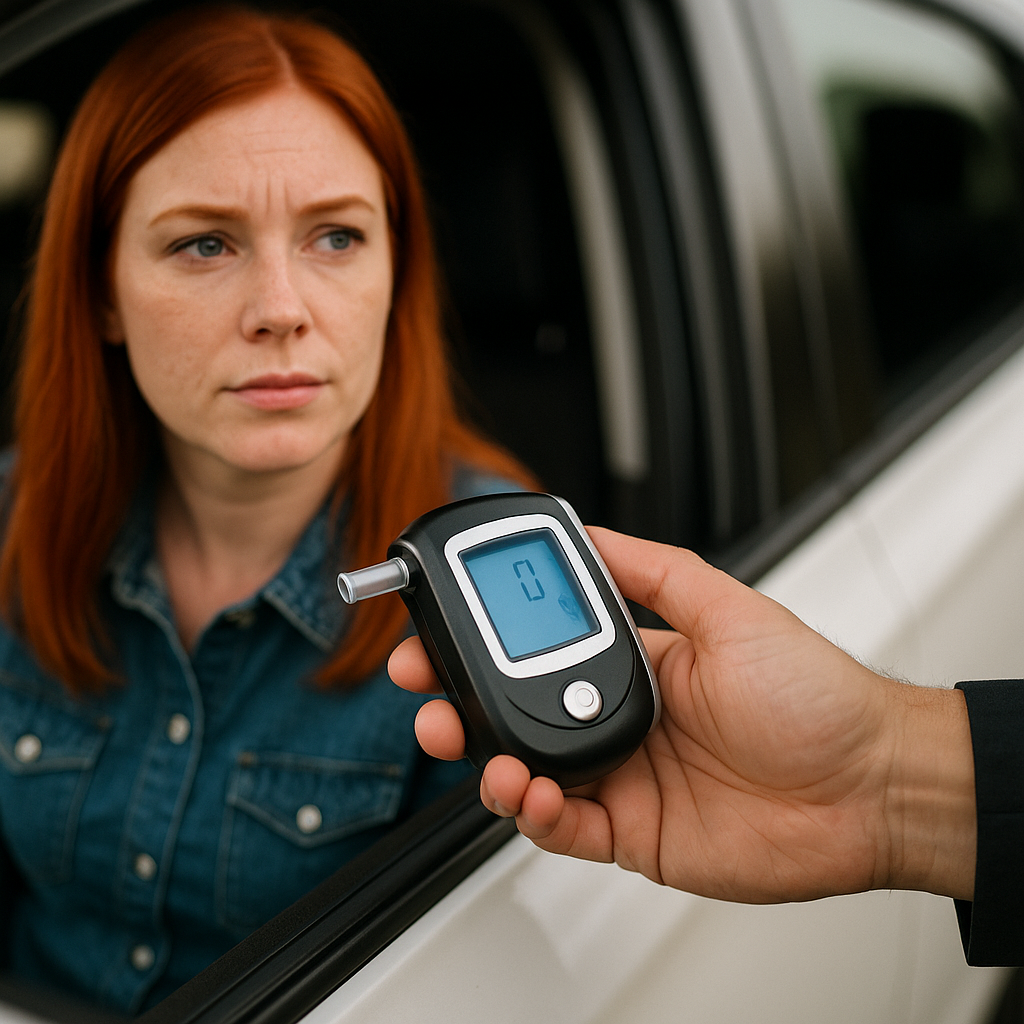
New Hampshire requires SR-22 filing for 3 years after a DUI conviction, but finding coverage is harder than keeping it filed — only a handful of non-standard carriers actively write post-DUI policies in the state, and most brokers won't tell you which ones.
The New Hampshire DUI Insurance Market After Conviction
A DUI conviction in New Hampshire triggers a mandatory 3-year SR-22 filing requirement from the date of conviction, but the filing itself is just a $25-$50 document your insurer submits to the New Hampshire Division of Motor Vehicles. The real cost is the premium increase: expect your annual rate to rise 80-140% after a DUI, with higher increases for drivers under 25 or those with prior violations. Standard carriers like Geico, Progressive's standard divisions, and State Farm typically non-renew DUI drivers at the end of their current policy period, forcing you into the non-standard market.
New Hampshire's non-standard market is smaller and more consolidated than neighboring states. Only a handful of carriers actively write post-DUI policies statewide: The General, Bristol West, Dairyland, and National General are the most consistent writers. Some regional brokers also have access to specialty carriers like Foremost or Alliance United, but availability varies by county and underwriting appetite. Unlike Massachusetts or Connecticut, New Hampshire does not have a residual market or assigned risk pool for high-risk drivers, so if you cannot find voluntary market coverage, your only legal option is to maintain SR-22 filing with a non-owner policy while not driving.
The key challenge is not finding someone who will file SR-22 — most non-standard carriers will — but finding the carrier who prices your specific risk profile most competitively. A 35-year-old with a single DUI and no other violations might pay $180/month with one carrier and $290/month with another for identical liability limits. The difference is underwriting model, not coverage quality. New Hampshire SR-22 requirements non-standard auto insurance
Rate Ranges by Carrier and Driver Profile
Post-DUI rates in New Hampshire vary significantly by carrier, age, coverage level, and county. For minimum liability coverage (25/50/25) with SR-22 filing, expect monthly premiums in these ranges: ages 25-40 with a single DUI typically see $140-$220/month; ages 18-24 with a DUI often face $250-$380/month; drivers over 40 with no other violations may find rates as low as $110-$170/month with the right carrier. These are actual quoting ranges from non-standard carriers writing in New Hampshire as of late 2024, not averages.
The General and Bristol West tend to price younger drivers more aggressively, while Dairyland and National General often offer better rates for drivers over 30 with otherwise clean records. If you have multiple violations in addition to the DUI — such as a suspended license for refusal to submit to testing, or prior speeding tickets — your rates will climb another 30-60% depending on severity and recency. A driver with a DUI and a prior at-fault accident might pay $220-$340/month for minimum coverage.
Full coverage (comprehensive and collision) after a DUI is exponentially more expensive and often not available at all if your vehicle is older than 10 years or valued under $5,000. When available, expect to pay 2-3x the liability-only rate. Most non-standard carriers impose higher deductibles ($1,000 minimum for collision) and may exclude certain coverage features like rental reimbursement or roadside assistance.
Which Carriers Actually Write Post-DUI Policies in New Hampshire
Not all non-standard carriers are equally accessible in New Hampshire, and broker availability determines whether you can even get a quote. The General writes policies directly and through independent agents statewide, making it one of the easiest options to obtain a quote from — you can call them or walk into most multi-line insurance offices. Bristol West operates primarily through independent agents and has broad New Hampshire presence, but you must work with an appointed broker to access their rates.
Dairyland and National General are available through select independent agents, and availability is inconsistent across counties. If you call a broker in Manchester or Nashua, they likely have appointments with at least two of these carriers. In rural counties like Coos or Carroll, you may find brokers who only represent one or two non-standard carriers, limiting your options. This is why comparing quotes from at least three different brokers or direct carriers is essential — one broker's "best rate" may be 40% higher than another broker's offer simply because they do not have access to the same carrier lineup.
Foremost, Alliance United, and Kemper occasionally write post-DUI policies in New Hampshire through specialty brokers, but underwriting is stricter and approval is not guaranteed. These carriers tend to require higher down payments (30-40% of the annual premium upfront) and may not offer monthly payment plans without adding installment fees. If you have been denied by The General or Bristol West, these secondary-tier carriers are worth pursuing, but expect longer quoting timelines and more documentation requests.
How SR-22 Filing Works and What It Costs
The SR-22 is a certificate of financial responsibility your insurance carrier files electronically with the New Hampshire DMV after you purchase a policy meeting the state's minimum liability requirements: $25,000 bodily injury per person, $50,000 per accident, and $25,000 property damage. Your insurer charges a one-time filing fee of $25-$50 to submit the SR-22, and you must maintain continuous coverage for 3 years from your conviction date. If your policy lapses for any reason — nonpayment, cancellation, or failure to renew — your carrier is legally required to notify the DMV immediately, which triggers an automatic license suspension.
New Hampshire does not require you to carry SR-22 on a vehicle you own if you are not driving. If your license is suspended and you do not plan to drive during the suspension period, you can maintain SR-22 compliance with a non-owner policy, which provides liability coverage when you drive someone else's vehicle. Non-owner SR-22 policies in New Hampshire typically cost $40-$80/month through non-standard carriers, significantly less than owner policies. Once your suspension period ends and you reinstate your license, you still must maintain the SR-22 filing for the full 3-year period.
Some drivers assume they can drop SR-22 once their license is reinstated. That is incorrect. The 3-year SR-22 requirement begins at conviction, not reinstatement, and the DMV tracks the filing period independently. If you drop coverage or switch to a carrier that does not file SR-22 before the 3 years expire, your license will be suspended again, and you will need to restart the SR-22 clock in most cases. non-owner SR-22 policy
Payment Plans and Down Payment Requirements
Most non-standard carriers in New Hampshire require a down payment of 20-40% of the total 6-month premium to bind coverage, with the remaining balance split across monthly installments. If your 6-month premium is $1,200, expect to pay $240-$480 upfront, plus monthly installments of $80-$120 depending on the carrier's installment fee structure. Some carriers charge flat monthly fees ($5-$10), while others charge a percentage (2-4% of each installment), which can add $50-$100 to your total annual cost.
The General and Bristol West offer relatively flexible payment plans with down payments as low as 20%, but they may require autopay enrollment to qualify for monthly billing. Dairyland and National General typically require higher down payments (30-35%) and may not approve monthly plans for drivers with DUIs less than 12 months old. If you cannot afford the down payment, ask brokers about low-down-payment programs or carriers that accept initial payments in two installments within the first 30 days — some do, but it is not advertised.
If your policy lapses due to nonpayment, reinstating SR-22 coverage after a lapse is more expensive than maintaining continuous coverage. Carriers treat a lapse as a new underwriting event, often increasing your rate by 10-20% and requiring a larger down payment. The DMV suspension triggered by the lapse also adds reinstatement fees ($100-$200 depending on the violation) on top of your insurance costs.
Rate Recovery Timeline and Long-Term Costs
New Hampshire DUI convictions remain on your driving record for 10 years and are visible to insurers during that entire period, but the premium impact diminishes over time. Expect the steepest surcharge in years 1-3, when you are required to maintain SR-22 filing and most standard carriers will not quote you. After the 3-year SR-22 period expires and you have maintained continuous coverage without additional violations, some standard carriers begin offering quotes again, though your rates will still reflect the DUI surcharge.
By year 5 post-conviction, drivers with no additional violations often see their rates drop 30-50% from the immediate post-DUI peak, assuming they have shopped carriers and moved from non-standard to standard or preferred-risk policies. By year 7, the DUI's impact is minimal for most standard carriers, and you may qualify for rates only 10-20% higher than a clean-record driver. By year 10, when the conviction falls off your record entirely, your rates should normalize fully if you have maintained a clean record in the interim.
The fastest way to accelerate rate recovery is to shop carriers every 6-12 months, especially as you cross the 3-year and 5-year marks post-conviction. Carriers reassess risk differently, and the carrier offering the best rate in year 1 is rarely the best option in year 4. Comparing quotes from at least three carriers at every renewal gives you the best chance of capturing rate decreases as your risk profile improves.
What to Do Immediately After a DUI Conviction
As soon as your DUI conviction is final, contact your current insurer to confirm whether they will continue coverage or non-renew you. If they non-renew, you have until the end of your current policy period to secure new coverage and file SR-22 — do not wait until the last week. Start gathering quotes from non-standard carriers immediately, even if your current policy does not expire for 30-60 days. Binding a new policy early ensures you avoid any coverage gap, which would trigger license suspension and make coverage even harder to find.
When requesting quotes, provide accurate information about your conviction date, BAC level if available, and whether your license was suspended. Underwriters use this information to price your risk, and omitting details or providing inaccurate dates can result in policy rescission later. Ask every broker explicitly which carriers they represent and whether they have access to The General, Bristol West, Dairyland, and National General — if they only represent one or two carriers, call additional brokers to compare.
Once you bind coverage, confirm with your insurer that they have filed the SR-22 with the New Hampshire DMV within 10 days. Most insurers file electronically within 24-48 hours, but administrative errors happen. You can verify SR-22 filing status by contacting the DMV directly or checking your online driver record. If the filing does not appear within 10 days, follow up with your insurer immediately to avoid suspension due to filing delays.