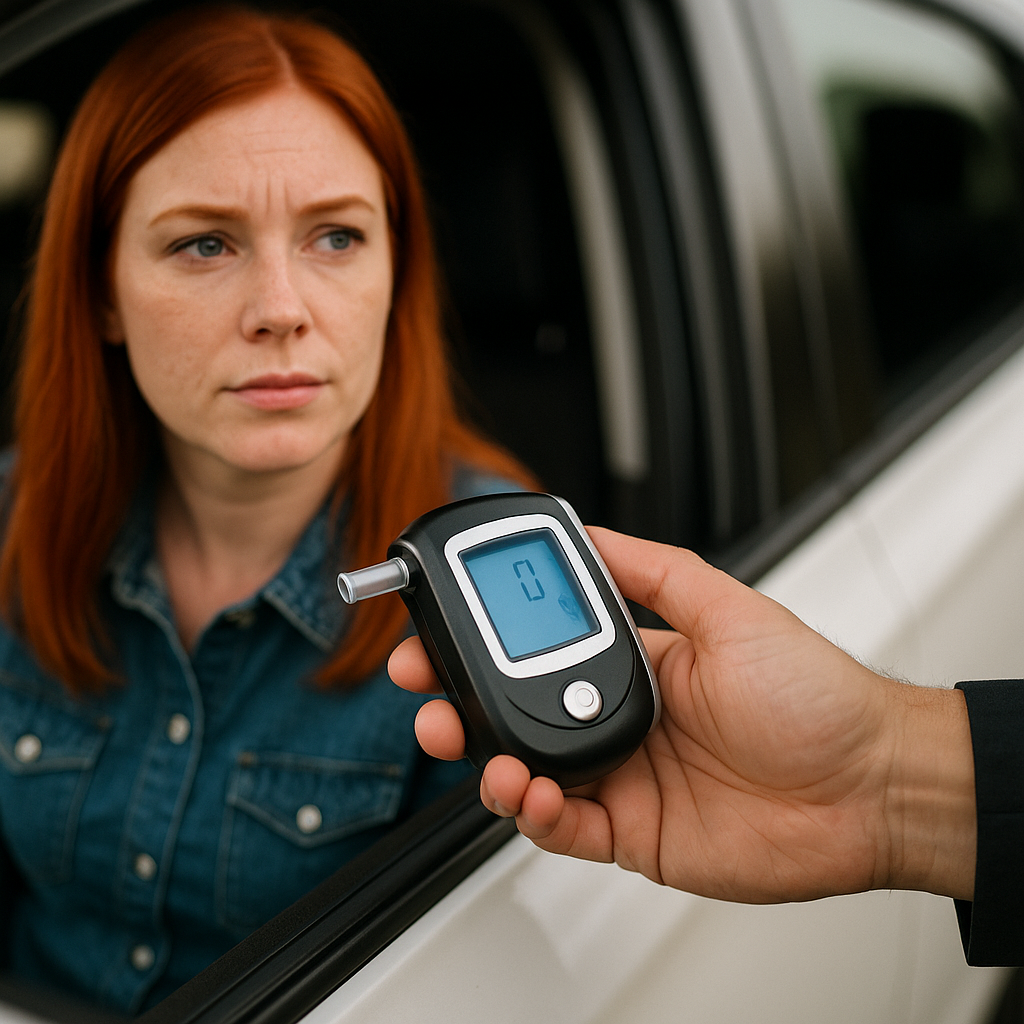
A DUI in New Mexico triggers a 3-year SR-22 requirement and rate increases averaging 80–120%. Most standard carriers will non-renew you, but a handful of non-standard insurers actively write post-DUI policies in the state.
How New Mexico's SR-22 Requirement Works After a DUI
New Mexico requires SR-22 certification for 3 years following a DUI conviction, starting from your license reinstatement date — not your conviction date. The state Motor Vehicle Division (MVD) mandates minimum liability coverage of 25/50/10: $25,000 per person for bodily injury, $50,000 per accident for bodily injury, and $10,000 for property damage. Your insurer files the SR-22 electronically with the MVD, typically within 24 hours of policy binding.
The critical detail most drivers miss: if your policy lapses for any reason during those 3 years — missed payment, non-renewal, voluntary cancellation — your insurer must notify the MVD within 10 days. The MVD then suspends your license and restarts your SR-22 clock from the beginning. A lapse in year two means you're back to day one of a new 3-year requirement, plus you'll face a suspension reinstatement process that includes additional fees.
SR-22 filing fees in New Mexico typically run $25–$50 as a one-time charge from your insurer. This is separate from your premium. Some non-standard carriers waive the filing fee entirely to stay competitive for post-DUI drivers. Reinstatement fees to the MVD after a DUI-related suspension start at $100, plus additional administrative fees that vary based on whether your license was revoked or suspended. New Mexico SR-22 filing rules
Rate Increases and Cost Reality in New Mexico
A first-offense DUI in New Mexico increases your insurance premium by 80–120% on average with non-standard carriers — the only ones likely to write you. If you were paying $900/year before your DUI with a standard carrier, expect to pay $1,600–$2,000/year with a non-standard insurer once you add SR-22. Some drivers see increases exceeding 150%, especially if the DUI involved an accident, injury, or high BAC reading.
These rates reflect New Mexico's status as a tort state with relatively low minimum coverage requirements. Carriers price DUI risk higher here because the minimum liability limits leave significant exposure gaps. Most non-standard insurers will quote you only at state minimums initially — asking for higher limits immediately after a DUI often triggers a decline.
Your rate will gradually decrease over the 3-year SR-22 period if you maintain continuous coverage with no additional violations. Expect a 10–15% reduction each year with the same carrier, assuming a clean record. After your SR-22 period ends and the DUI ages to 5 years old, standard carriers may begin quoting you again, though you'll still see surcharges for another 2–3 years depending on the carrier's underwriting rules. non-standard auto insurance options
Non-Standard Carriers That Write Post-DUI Policies in New Mexico
Five non-standard carriers actively write post-DUI policies in New Mexico: The General, Bristol West, Titan Auto Insurance, Acceptance Insurance, and Direct Auto Insurance. Standard carriers like State Farm, Allstate, GEICO, and Progressive will either non-renew your existing policy at the next renewal or decline to quote you entirely once the DUI appears on your motor vehicle record.
The General and Bristol West have the largest non-standard footprint in New Mexico and typically offer the most competitive rates for first-offense DUI drivers with otherwise clean records. Both allow electronic SR-22 filing at the time of policy purchase, which is critical for drivers facing imminent license suspension. Titan Auto and Acceptance Insurance often quote higher but may accept drivers with multiple DUIs or concurrent violations that other carriers decline outright.
Direct Auto operates physical storefronts in Albuquerque, Las Cruces, and Rio Rancho, which can be helpful if you need in-person assistance with SR-22 filing or reinstatement documentation. Walk-in quoting sometimes surfaces discounts that online portals miss, especially if you're bundling SR-22 with a same-day down payment. Do not assume your current carrier will allow you to add SR-22 to your existing policy — most standard carriers require you to find new coverage entirely.
Shopping Strategy: Timing and Carrier Rotation
Quote with a minimum of three non-standard carriers before binding coverage. Rate spreads for identical coverage can exceed $600/year among non-standard insurers writing post-DUI policies in New Mexico. The General may quote $1,400/year while Bristol West quotes $2,100/year for the same driver with the same limits — this variance is normal in the non-standard market.
Timing matters: do not let your current policy lapse before securing new coverage, even if your carrier has told you they're non-renewing you. A lapse triggers an immediate SR-22 violation notice to the MVD and restarts your 3-year clock. Bind your new non-standard policy at least 5 days before your current policy expires to allow time for SR-22 filing and confirmation.
Re-shop your coverage every 6–12 months during your SR-22 period. Non-standard carriers frequently adjust underwriting appetites, and a carrier that declined you 8 months ago may now quote competitively. After 18 months of continuous SR-22 coverage with no additional violations, you may see materially lower rates from carriers that initially priced you higher. This audience often stays with the first carrier that accepts them — that's a costly mistake when rate variance is this wide.
License Reinstatement Process After a DUI Suspension
New Mexico's MVD requires you to complete several steps before reinstating your license after a DUI suspension or revocation. You'll need proof of SR-22 insurance filing, payment of all reinstatement fees ($100 base fee plus additional charges based on suspension length and type), completion of a state-approved DWI school or treatment program, and in some cases, installation of an ignition interlock device (IID) for 1 year.
The IID requirement applies to all DUI convictions in New Mexico with a BAC of 0.08% or higher, or to any refusal to submit to chemical testing. You must install the device before the MVD will reinstate your license, and the device must remain installed for the full 1-year period even if your SR-22 requirement is still ongoing. Some non-standard carriers charge an additional surcharge if an IID is required — typically $100–$200/year.
Once you've completed all reinstatement requirements, the MVD processes reinstatement within 3–5 business days. Your SR-22 filing must be active and confirmed before the MVD will proceed. If your insurer has not yet transmitted your SR-22 to the state, the MVD will not accept your reinstatement application, and you'll need to resubmit once confirmation arrives. This is why binding coverage 5+ days in advance matters — electronic filing is fast, but confirmation can lag. SR-22 insurance requirements in your state
What Happens If You Move Out of State During Your SR-22 Period
If you move out of New Mexico during your 3-year SR-22 requirement, your obligation follows you. You must notify your insurer of your address change and request an SR-22 filing in your new state if that state requires one. Not all states use SR-22 — some use FR-44 or other proof-of-insurance certifications — so confirm your new state's requirements with the local DMV immediately.
New Mexico's MVD will continue to track your SR-22 status even after you move, and a lapse in your new state may trigger a notice back to New Mexico's MVD. If you return to New Mexico before your 3-year period ends, you'll need to refile SR-22 with a New Mexico-licensed insurer. Some non-standard carriers operate in multiple states and can transfer your policy, but most require you to start a new policy under the new state's underwriting rules.
Moving does not reset or shorten your SR-22 period. If you had 18 months remaining when you left New Mexico, you'll still have 18 months remaining when you arrive in your new state. The only exception is if your new state does not require SR-22 for out-of-state DUI convictions — but you'll still need to satisfy New Mexico's requirement if you plan to hold a New Mexico license or return to the state.
Long-Term Rate Recovery and Standard Carrier Access
Your path back to standard carrier rates spans roughly 5–7 years from your DUI conviction date in New Mexico. The SR-22 requirement ends after 3 years of continuous coverage, but the DUI conviction remains on your motor vehicle record for up to 10 years under New Mexico law. Most standard carriers look back 5 years when underwriting, meaning you'll regain access to competitive quotes around year five post-conviction.
Between years three and five, you'll exist in a hybrid market: no longer SR-22-required, but still surcharged by standard carriers or declined outright. Non-standard carriers may continue offering your best rates during this window. After year five, shop aggressively with standard carriers — GEICO, Progressive, and State Farm typically re-enter consideration at this point, though they'll still apply a minor surcharge until the DUI ages to 7 years.
Maintaining continuous coverage throughout this period is the single highest-leverage action you can take to accelerate rate recovery. A lapse at any point — even after your SR-22 period ends — signals risk to underwriters and can delay your return to standard carrier pricing by 1–2 additional years. Defensive driving courses and incident-free years help, but nothing substitutes for an unbroken coverage history.