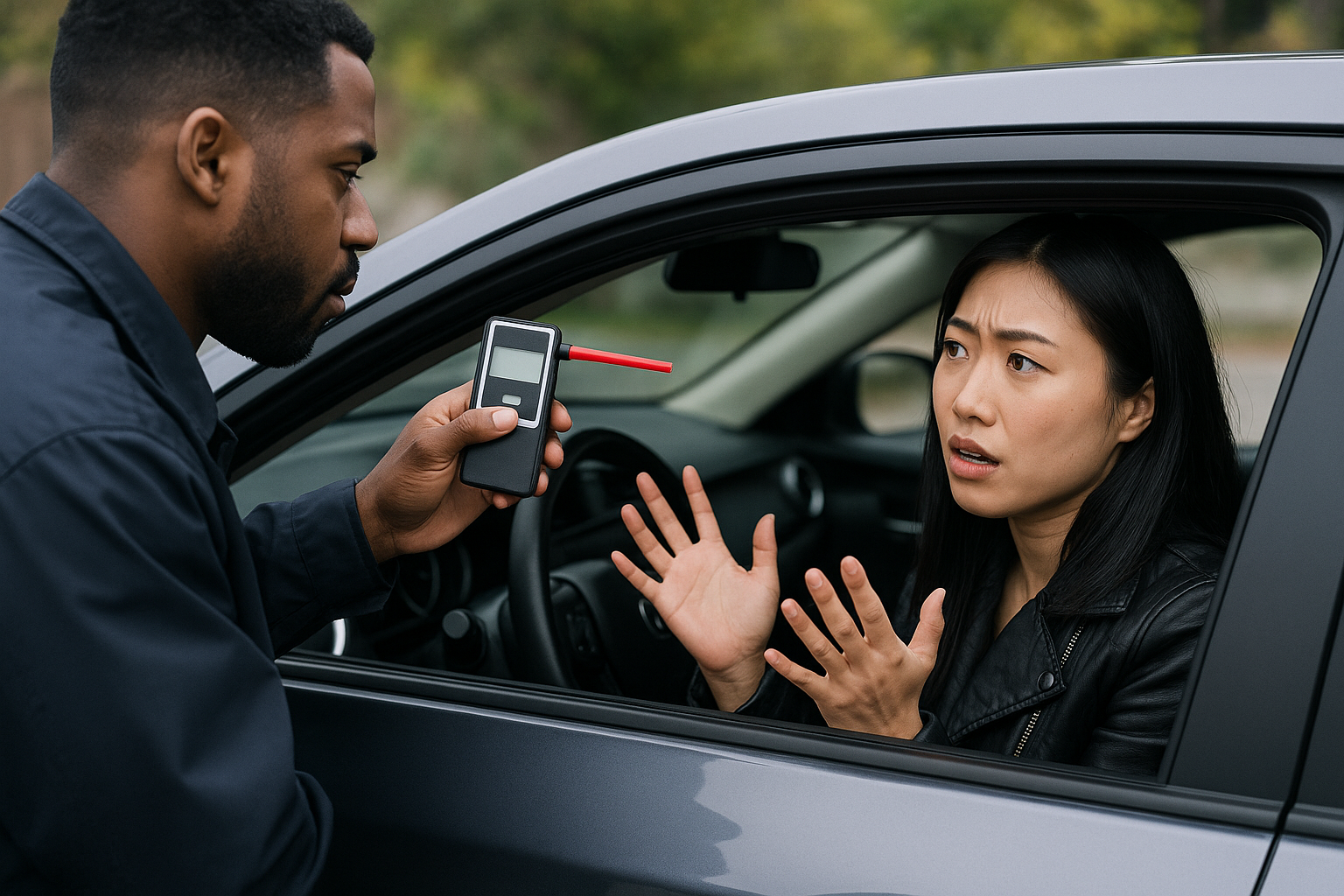
A DUI in Norfolk doesn't lock you out of the market — but it does change which carriers will write you and what you'll pay. Virginia requires SR-22 filing for most DUI convictions, and the difference between the most expensive and least expensive carrier can exceed $200/mo.
Virginia SR-22 Requirements for DUI Convictions in Norfolk
Virginia law mandates SR-22 filing for three years following most DUI convictions, including first-time offenses. The SR-22 is not insurance — it's a certificate your carrier files electronically with the Virginia DMV to prove you're maintaining continuous liability coverage at state minimum levels. If your policy lapses or cancels during the three-year period, your carrier notifies the DMV within 24 hours and your license is suspended immediately.
The DMV's three-year clock starts from your reinstatement date, not your conviction date. If you wait six months after conviction to reinstate, you've added six months to your total compliance timeline. The filing fee itself is minimal — typically $15 to $50 depending on carrier — but the rate increase triggered by the DUI and SR-22 requirement is where cost becomes material.
Virginia's minimum liability limits are 25/50/20, meaning $25,000 bodily injury per person, $50,000 per accident, and $20,000 property damage. Post-DUI, most carriers will not offer you coverage below these minimums — some will not write you at all unless you carry higher limits or add comprehensive and collision coverage to offset their underwriting risk. Virginia SR-22 requirements non-standard auto insurance
Rate Impact: What a DUI Costs Norfolk Drivers Annually
A first-time DUI in Virginia typically increases annual premiums by 80% to 140% compared to a clean-record baseline, according to rate filings analyzed by the Insurance Information Institute. For a Norfolk driver paying $1,400/year before a DUI, expect post-conviction premiums between $2,520 and $3,360 annually — or $210 to $280/mo — once SR-22 is factored in.
Rate increases compound if you also triggered a lapse in coverage or license suspension. A lapse adds another 10% to 30% surcharge depending on carrier and duration. Carriers treat DUI + lapse as a double underwriting flag, signaling both impaired driving and insurance noncompliance.
Rates remain elevated for three to five years depending on carrier policy, even after your SR-22 requirement ends. Most carriers re-rate your policy annually, gradually reducing the DUI surcharge as time passes without additional violations. By year four, you may see your surcharge drop to 30% to 50% above baseline. Full rate recovery typically occurs five to seven years post-conviction, assuming no new violations.
Which Carriers Write Post-DUI Policies in Norfolk
Norfolk drivers with a DUI still have access to both national non-standard carriers and regional insurers active in the Hampton Roads market. The Seibels Insurance Group, Dairyland, Progressive's non-standard division, and National General actively write post-DUI policies with SR-22 filing in Virginia. These carriers specialize in high-risk underwriting and build DUI rate structures into their pricing models from the start.
Some standard-market carriers — including State Farm and GEICO — will retain existing customers after a first DUI rather than non-renew them outright, but they will reclassify you into their non-standard tier and apply full surcharges. Retention depends on your prior tenure, claim history, and whether you bundle other policies. New applicants with a DUI on record are typically declined by standard carriers and referred to their non-standard partners.
Regional carriers like Aventus Insurance and Virginia Farm Bureau may offer competitive rates for Norfolk drivers with ties to specific employer groups, alumni associations, or agricultural affiliations. Rate spreads between the most expensive and least expensive post-DUI carrier in Norfolk can exceed $2,400 annually, which is why shopping across at least four carriers is critical. The cheapest carrier for a clean-record driver is rarely the cheapest for a DUI driver.
SR-22 Filing Process and Reinstatement Timeline in Norfolk
After your DUI conviction, the Virginia DMV will mail you a notice outlining your suspension period and reinstatement requirements. First-time DUI offenders typically face a one-year administrative suspension, though restricted licenses for work, medical, or childcare purposes may be available after completing an Alcohol Safety Action Program (ASAP) and installing an ignition interlock device.
To reinstate, you must pay a $145 reinstatement fee to the Virginia DMV, provide proof of ASAP completion, and file SR-22 insurance. Your carrier files the SR-22 electronically on your behalf once you purchase a qualifying policy — this usually happens within 24 to 48 hours. The DMV processes SR-22 filings within three to five business days, and your license is reinstated once all requirements are satisfied.
If you move out of Virginia during your SR-22 period, your filing obligation follows you. Virginia requires you to maintain continuous SR-22 coverage for the full three years regardless of where you live. If you establish residency in another state, you must obtain a policy in that state and have your new carrier file an SR-22 with Virginia. Failure to maintain the filing results in immediate suspension of your Virginia driving privilege. SR-22 insurance coverage
How Long Points and DUI Stay on Your Virginia Record
A DUI conviction in Virginia remains on your driving record for 11 years from the conviction date, according to the Virginia DMV. The conviction is visible to all insurers during this period, though its impact on your rates diminishes significantly after year five. Virginia assigns six demerit points for a DUI, but those points are removed from your record after two years — the conviction itself, however, stays.
Carriers use the conviction, not the points, to determine your risk tier. Even after points fall off, the DUI remains a rating factor until it ages past the carrier's lookback period. Most carriers use a five-year lookback for DUI; some non-standard carriers use three years. Once your DUI exceeds the lookback window, it no longer affects your rate — but it remains on your MVR and is still visible to law enforcement and courts in any future DUI case.
Virginia does not allow DUI convictions to be expunged or sealed except in rare cases of factual innocence. Defensive driving courses and good behavior do not remove the conviction or shorten the 11-year reporting period. Your only path to rate recovery is time without new violations and proactive carrier shopping as you cross three- and five-year thresholds.
Next Steps: Comparing Quotes and Selecting Coverage
If you've been convicted of a DUI in Norfolk and need to reinstate your license, start by obtaining quotes from at least four carriers — prioritize non-standard specialists like Dairyland, National General, and Progressive's high-risk division. Provide accurate information about your conviction date, current license status, and any restricted license or ASAP completion. Misrepresenting your record to save money will result in policy rescission when the carrier pulls your MVR.
Once you select a carrier and purchase coverage, confirm that they file your SR-22 with the Virginia DMV electronically and provide you with a copy for your records. Do not allow your policy to lapse during the three-year SR-22 period — even a single day of lapse triggers suspension and restarts your compliance clock. Set up automatic payments and renewal reminders to avoid accidental cancellation.
Rate recovery accelerates when you cross the three-year and five-year marks post-conviction. At each renewal, request requotes from competing carriers to ensure you're not overpaying. Loyalty does not benefit high-risk drivers the way it benefits clean-record drivers — the carrier that offered you the best rate at reinstatement may not be competitive three years later. Shopping your policy annually is the single highest-leverage action you can take to reduce your post-DUI insurance costs.