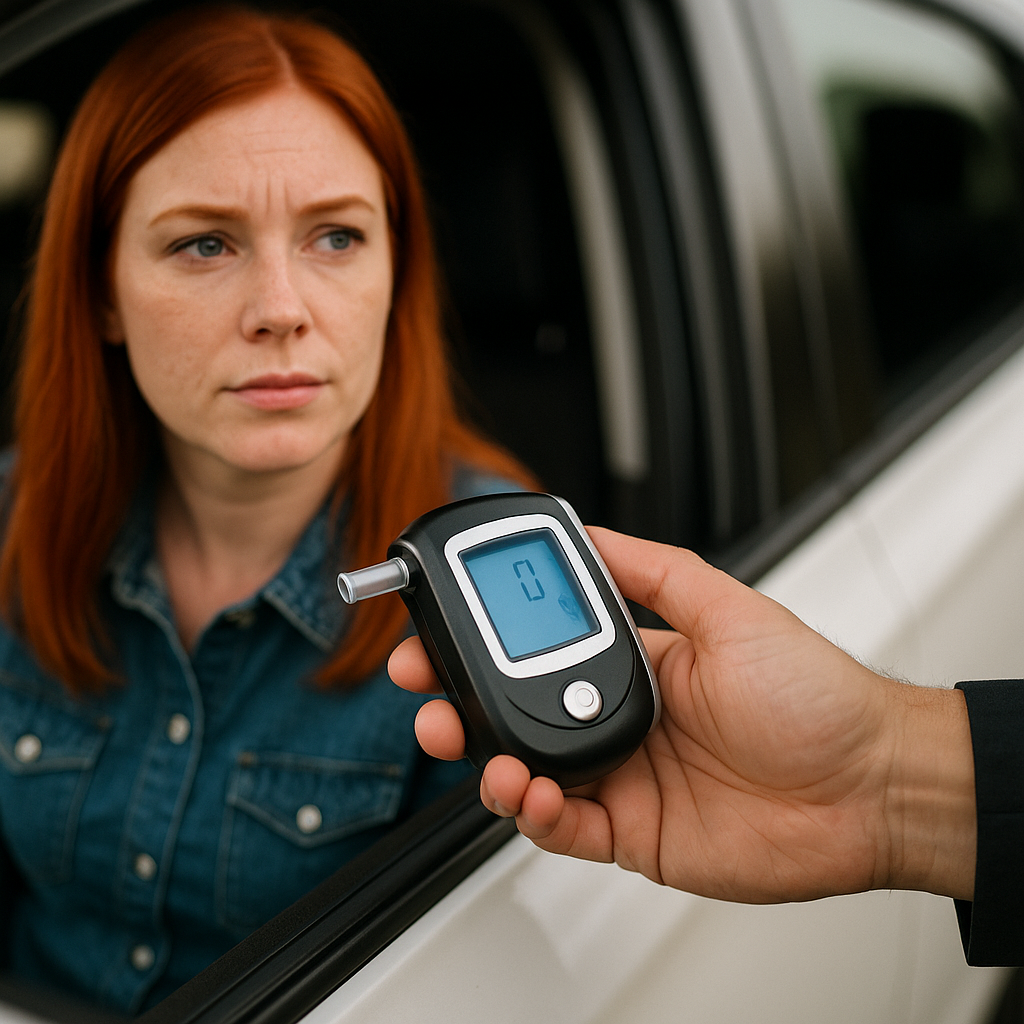
North Dakota requires 3 years of SR-22 filing after a DUI, but your rate increase — typically 80–140% — depends more on which non-standard carrier you choose than the filing itself.
What a DUI Costs You in North Dakota: Rate Increases and SR-22 Requirements
A DUI conviction in North Dakota triggers a mandatory 3-year SR-22 filing requirement and an average rate increase of 80–140% depending on your carrier, age, and prior record. The SR-22 itself is a compliance certificate filed by your insurer with the North Dakota Department of Transportation — it costs $25–50 to file, but the real cost is the underwriting change. Once you have a DUI on your record, standard carriers like State Farm or Progressive typically non-renew your policy or move you to a high-risk tier with doubled premiums.
North Dakota uses a point system where a DUI adds 12 points to your record, but your license suspension comes from the criminal conviction and administrative action, not point accumulation alone. Your driving record will show the DUI for 7 years for insurance purposes, but the SR-22 filing obligation ends after 3 consecutive years without a lapse. If your policy cancels or lapses during that period, the 3-year clock resets from the date you refile.
Most drivers see the highest rates in year one after conviction, with gradual decreases starting in year two if no additional violations occur. The North Dakota DMV does not offer hardship licenses for first-time DUI offenders during the suspension period, which ranges from 91 days to 1 year depending on BAC level and prior offenses. You cannot legally drive during suspension even with SR-22 coverage — the SR-22 is required to reinstate your license after the suspension ends, not to drive during it. SR-22 insurance
Non-Standard Carriers That Write DUI Policies in North Dakota
After a DUI, you move from the standard insurance market to the non-standard or high-risk market. In North Dakota, the carriers most likely to write your policy include The General, Direct Auto, Bristol West, Acceptance Insurance, and National General. These insurers specialize in DUI and SR-22 cases and file the required certificate with the state as part of your policy. Not all non-standard carriers operate in North Dakota — some regional high-risk insurers focus on states with larger populations — so your options are more limited than in states like California or Texas.
Rate variation among non-standard carriers is significant. A 35-year-old male driver with a DUI in Fargo might pay $215/month with one carrier and $340/month with another for identical liability limits. This happens because non-standard insurers use different underwriting models: some penalize recent DUIs heavily and offer discounts after 3 years, while others price the violation consistently across the entire 7-year lookback period. Shopping at least three non-standard carriers is the single highest-leverage action you can take to reduce your post-DUI premium.
Some national carriers like GEICO and Progressive write high-risk policies in North Dakota but typically reserve them for drivers with violations less severe than DUI — speeding tickets, at-fault accidents, lapses. If you had a clean record before your DUI and no other violations, you may qualify for their high-risk tier after 1–2 years, but expect initial non-renewal or declination. Local independent agents with access to surplus lines carriers can sometimes find coverage if multiple non-standard insurers decline you, particularly if you have multiple DUIs or a refusal. non-standard auto insurance
SR-22 Filing Process and Reinstatement Steps in North Dakota
You cannot file an SR-22 on your own — it must be submitted electronically by a licensed insurer authorized to do business in North Dakota. After your suspension period ends, you purchase a liability policy from a carrier that offers SR-22 filing, pay the filing fee, and the insurer transmits the certificate to the North Dakota DOT within 24–48 hours. You will also pay a $50 reinstatement fee to the DMV and provide proof of completed alcohol evaluation, treatment, or other court-ordered requirements before your license is returned.
The SR-22 must remain active and continuous for 3 full years from the date of reinstatement. If you cancel your policy, switch carriers without ensuring the new carrier files an SR-22, or let coverage lapse for any reason, the state is notified within 24 hours and your license is suspended again. The 3-year requirement resets, and you must pay another reinstatement fee. This makes payment consistency critical — even a single missed payment that results in cancellation triggers a new suspension.
Some drivers assume they can drop SR-22 coverage once they feel their rates have improved or after the criminal case is resolved. This is incorrect. The SR-22 obligation is a DMV administrative requirement separate from your court sentence. Even if your criminal probation ends after 1 year, you still owe the state 3 years of proof of insurance. The only way to know your SR-22 period is complete is to receive written confirmation from the North Dakota DOT or to verify 3 full years have passed with no lapses.
Rate Recovery Timeline and What to Expect Year by Year
Your rate will not return to pre-DUI levels for 5–7 years, but meaningful decreases occur sooner if you maintain continuous coverage and avoid new violations. Most non-standard carriers reduce your premium by 10–20% at each annual renewal if your record stays clean. By year three — when your SR-22 filing requirement ends — you may qualify to move back to a standard carrier or a preferred high-risk tier with significantly lower rates, assuming no lapses or additional tickets.
In year one post-conviction, expect to pay 80–140% more than your previous rate. In year two, that increase typically drops to 60–100% if you had no claims or violations. By year four, many drivers see increases in the 30–50% range, and by year seven — when the DUI falls off your insurance record entirely — your rate should return to standard pricing if your record is otherwise clean. This timeline assumes you do not add points, file claims, or let your policy lapse.
Reopening your rate every 6–12 months by shopping non-standard carriers is the most reliable way to accelerate recovery. Loyalty does not benefit high-risk drivers the way it does standard drivers. A carrier that offers you the best rate in year one may not be competitive in year three. If you complete a defensive driving course or alcohol treatment program, some carriers offer small discounts — typically 5–10% — but the larger savings come from switching carriers as your risk profile improves.
Coverage Types and Limits After a DUI in North Dakota
North Dakota requires minimum liability limits of 25/50/25: $25,000 per person for bodily injury, $50,000 per accident, and $25,000 for property damage. After a DUI, you must carry at least these limits to satisfy SR-22 requirements, but many non-standard carriers recommend higher limits — such as 50/100/50 — because the cost difference is often minimal and it reduces your financial exposure if you cause another accident during your SR-22 period.
Some drivers consider dropping comprehensive and collision coverage to lower their premiums, especially if their vehicle is older or paid off. This is a personal decision, but if you still owe money on your car, your lender will require full coverage regardless of your driving record. Non-standard carriers typically charge higher rates for comprehensive and collision due to your DUI, so expect those portions of your premium to increase as well.
Uninsured and underinsured motorist coverage is optional in North Dakota but worth considering. If another driver causes an accident and lacks adequate insurance, your own UM/UIM coverage pays for your injuries and vehicle damage. After a DUI, you are statistically more likely to be considered at fault in future accidents by insurers and law enforcement, so protecting yourself against other high-risk drivers becomes more important. Adding 50/100 UM/UIM coverage typically costs $10–20/month on a non-standard policy.
What Happens If You Move Out of North Dakota During Your SR-22 Period
If you relocate to another state before your 3-year SR-22 requirement ends, you must maintain continuous SR-22 filing in your new state of residence if that state also requires it. Most states honor out-of-state SR-22 obligations, but the rules vary. Some states require you to file a new SR-22 with a local carrier within 30 days of establishing residency, while others accept your existing North Dakota filing temporarily.
You cannot simply let your North Dakota SR-22 lapse when you move. The North Dakota DOT will suspend your driving privilege in their state, which can complicate your ability to transfer your license or register a vehicle in your new state. Contact the DMV in your destination state before moving to confirm their SR-22 requirements and whether they have reciprocal agreements with North Dakota. Most drivers find it simplest to obtain a new policy with SR-22 filing in the new state and cancel the North Dakota policy only after the new filing is active.
If you move to a state that does not require SR-22 for license reinstatement — such as Michigan or Pennsylvania — you may still owe North Dakota the remainder of your 3-year filing period depending on how your suspension was structured. This is uncommon but possible if your suspension was part of a court order rather than a standard administrative action. Verify your specific obligation with the North Dakota DOT before assuming you are released from filing requirements. state-specific SR-22 requirements