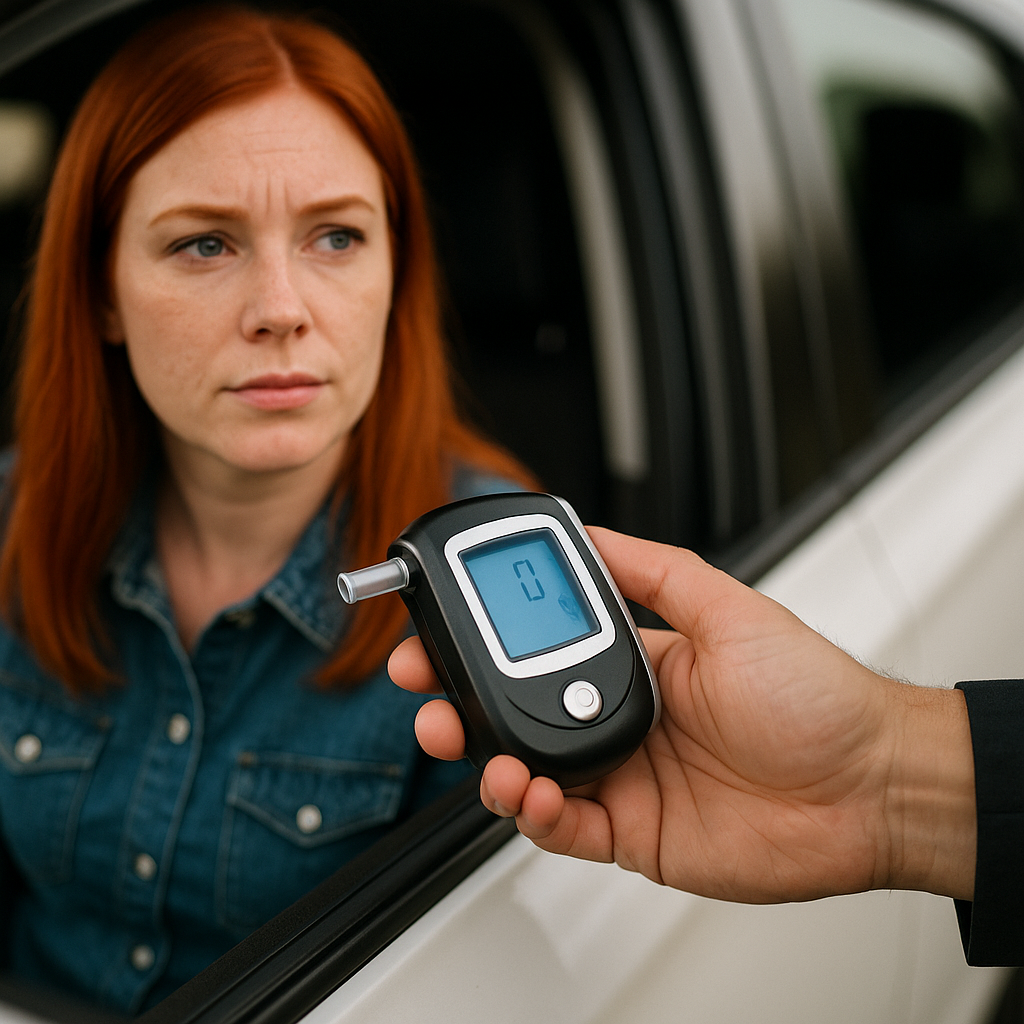
Pennsylvania suspends your license for one year after a DUI and requires 12 months of SR-22 filing before reinstatement. But five carriers in Pittsburgh still write policies for DUI drivers during suspension and after restoration — here's who they are and what they charge.
Pennsylvania's DUI License Suspension and SR-22 Timeline
Pennsylvania suspends your driver's license for 12 months after a first-offense DUI, and you cannot drive legally during that period unless you qualify for an Occupational Limited License (OLL) after 60 days. Before PennDOT will restore your license at the end of the suspension, you must file an SR-22 certificate proving you carry liability coverage of at least 15/30/5 — $15,000 bodily injury per person, $30,000 per accident, $5,000 property damage. Pennsylvania does not call it SR-22; the state uses Form DL-26, but insurers and drivers use SR-22 interchangeably. The filing requirement lasts 12 months from the date of restoration, not from the date of conviction.
Most Pittsburgh DUI drivers misunderstand the sequence: you cannot get your license back without an active SR-22 filing, but you cannot file SR-22 until you have an insurance policy in force. This creates a coordination problem. You need to secure a policy that includes SR-22 filing shortly before your suspension ends, then maintain it continuously for the next 12 months. A lapse of even one day restarts the 12-month SR-22 clock and triggers a new suspension.
If you qualify for an OLL during your suspension, you can drive to and from work, school, or medical appointments. You must carry SR-22 during the OLL period as well. Not all DUI offenders qualify — you typically need to show employment or education necessity, complete required alcohol education courses, and pay all fines and fees before PennDOT will consider the application. The OLL itself costs $150, and approval takes 4–6 weeks. Pennsylvania SR-22 requirements
Which Carriers Write DUI Policies in Pittsburgh
Five non-standard carriers actively write policies for DUI drivers in Pittsburgh and the surrounding Allegheny County area: The General, Bristol West, Dairyland, National General, and Progressive's non-standard division. These carriers specialize in high-risk coverage and file SR-22 certificates directly with PennDOT on your behalf. Standard carriers like State Farm, Allstate, and Nationwide typically decline DUI applicants for 3–5 years after conviction, and some decline them permanently.
The General and Bristol West write the highest volume of DUI policies in Pennsylvania and offer both non-owner policies during suspension and standard auto policies after restoration. Non-owner SR-22 policies cost $40–$70 per month and provide liability coverage when you drive a vehicle you do not own — critical if you need an OLL or if you drive occasionally during your suspension period with borrowed vehicles. Once your license is restored and you own or regularly drive a vehicle, you transition to a standard policy with SR-22, which costs $180–$320 per month depending on your age, vehicle, and location within Pittsburgh.
Dairyland and National General offer similar coverage but typically quote 10–15% higher than The General or Bristol West in the Pittsburgh market. Progressive's non-standard arm writes DUI policies selectively and often requires 6–12 months of post-restoration driving before offering coverage. If you are declined by one carrier, apply to another immediately — non-standard underwriting varies significantly, and one declination does not predict another. SR-22 insurance non-standard auto insurance
Rate Increases and What You'll Pay After a DUI
A DUI conviction in Pennsylvania increases your insurance rates by 80–140% compared to your pre-conviction premium, and that increase persists for 3–5 years after your license is restored. If you paid $1,200 per year before your DUI, expect to pay $2,160–$2,880 annually once you're back on the road. The SR-22 filing itself adds $25–$50 per year in administrative fees, but the DUI surcharge dominates the cost. Rates begin to normalize after three years if you maintain a clean record, and most carriers remove the DUI surcharge entirely after five years.
Pittsburgh-specific factors influence your rate. If you live in neighborhoods with higher accident or theft rates — Homewood, East Hills, or parts of the North Side — your premium will be 15–25% higher than if you live in Mt. Lebanon, Squirrel Hill, or the South Hills suburbs. Your age and gender also matter: male drivers under 30 pay 30–40% more than female drivers in the same age group, and drivers over 50 pay 20–25% less than drivers in their 30s and 40s, all else equal.
You can reduce your rate by choosing higher deductibles, dropping comprehensive and collision coverage on older vehicles worth less than $5,000, and bundling with renters or homeowners insurance. Some carriers offer discounts for completing defensive driving courses or installing telematics devices that monitor your driving behavior. These discounts typically reduce your premium by 5–10%, which translates to $100–$200 annually on a post-DUI policy.
Non-Owner SR-22 During Suspension: Why It Matters
If you do not own a vehicle and are not driving during your suspension, you may assume you do not need insurance. That assumption creates a problem when your suspension ends. PennDOT requires an active SR-22 filing before they will restore your license, and most carriers require you to maintain a policy for 30–60 days before they will backdate or expedite SR-22 filing for reinstatement. This means you must secure a non-owner SR-22 policy at least 30 days before your suspension ends, even if you are not driving.
A non-owner SR-22 policy costs $40–$70 per month and provides liability coverage whenever you drive a vehicle you do not own. It does not cover the vehicle itself, only your liability if you cause an accident. This is critical if you drive a friend's car, rent a vehicle, or use a car-sharing service. It also keeps your SR-22 filing active and continuous, which prevents a lapse and a new suspension. Most Pittsburgh DUI drivers who skip the non-owner policy during suspension face a 2–4 month delay in license restoration because they cannot secure SR-22 filing quickly enough when their suspension period ends.
If you qualify for an OLL, a non-owner policy is not optional — you must carry liability coverage to drive legally under the OLL, and most non-standard carriers will write that policy with SR-22 filing included. The policy stays in force until your suspension ends, then you transition to a standard policy once you own or regularly drive a vehicle.
Staying Compliant: SR-22 Lapses and What Happens Next
Pennsylvania's SR-22 filing requirement lasts 12 months from the date your license is restored, not from the date of your DUI conviction. If your policy lapses or cancels for non-payment during that 12 months, your insurer must notify PennDOT within 10 days, and PennDOT will suspend your license again immediately. The new suspension remains in effect until you file a new SR-22 and pay a $25 restoration fee. The 12-month SR-22 clock restarts from the date of the new filing, which means a single lapse can extend your SR-22 requirement by an additional year.
Most lapses occur because drivers underestimate the cost of maintaining a high-risk policy and miss a payment. Non-standard carriers typically allow a 10–15 day grace period after the due date before canceling your policy, but that grace period is not guaranteed. Set up automatic payments or pay six months in advance to eliminate lapse risk. If you cannot afford your current premium, contact your insurer and request a payment plan or shop for a lower-cost policy before your current policy cancels. Letting the policy lapse and then trying to reinstate is far more expensive and time-consuming than switching carriers proactively.
After your 12-month SR-22 period ends, your insurer will file an SR-26 certificate with PennDOT confirming you maintained continuous coverage. You are no longer required to carry SR-22, but your DUI conviction remains on your driving record for 10 years and continues to affect your rates for 3–5 years. Shopping for a new policy with a standard carrier after your SR-22 period ends can reduce your premium by 20–30%, but not all standard carriers will write you immediately. Expect to remain with a non-standard carrier for 2–3 years post-DUI before transitioning back to standard market rates.
Pennsylvania Point System and DUI Impact
Pennsylvania assigns points for moving violations, and accumulating 6 or more points within two years triggers license suspension — but a DUI does not add points to your record. Instead, PennDOT suspends your license administratively for 12 months under separate DUI statutes. However, many DUI arrests also include related violations like speeding, reckless driving, or failure to obey a traffic signal, and those violations do carry points. If you accumulate 6 or more points from violations unrelated to your DUI during or after your suspension, you face an additional point-based suspension on top of your DUI suspension.
Points fall off your Pennsylvania driving record three years after the violation date, not the conviction date. This means a speeding ticket from 2022 will drop off in 2025 even if you were convicted in 2023. However, your DUI conviction itself remains on your record for 10 years and is visible to insurers during that entire period. Insurers distinguish between points-based violations and DUI convictions — a DUI triggers a much larger rate increase and a longer surcharge period than a speeding ticket or at-fault accident.
If you receive additional violations during your SR-22 period, your rates will increase further and some non-standard carriers may decline to renew your policy. One speeding ticket during your SR-22 period typically increases your premium by 10–15%, and two or more violations may result in non-renewal. Keep your driving record clean during the 12 months of SR-22 filing — this is not the time to test your insurer's tolerance for additional risk.