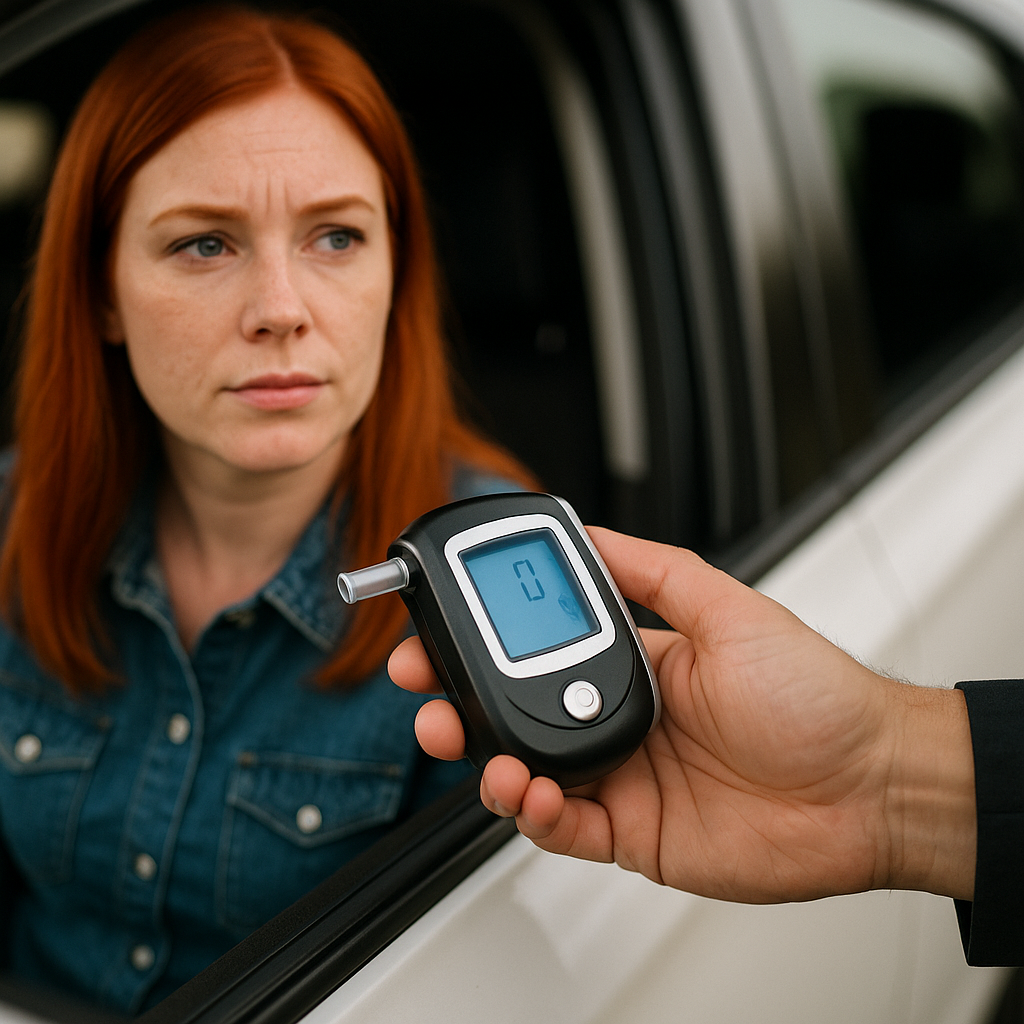
After a DUI in Reno, you face 3 years of SR-22 filing in Nevada and rate increases often exceeding 100%. Several regional and national carriers still write policies for DUI drivers — here's who accepts high-risk cases and what you'll pay.
Which Carriers Write DUI Policies in Reno
After a DUI in Nevada, your current carrier will likely non-renew your policy within 30–90 days of notification. Standard carriers — State Farm, Allstate, GEICO — typically exit at the first DUI conviction. What remains is the non-standard market: carriers that price for high-risk drivers and accept SR-22 filings as part of their core business model.
In the Reno market, The General, Acceptance Insurance, Bristol West, Dairyland, and Progressive consistently write post-DUI policies. National General and Kemper also operate in Nevada and accept some DUI cases, though underwriting varies by prior history. Regional carriers like Acceptance and Bristol West often quote 20–35% below national non-standard brands for the same coverage profile because they focus exclusively on non-standard risk and price competitively within that segment.
Not every carrier that writes high-risk policies writes every DUI scenario. A first-offense DUI with no accident typically qualifies across all carriers listed above. A second DUI, a DUI with collision, or a DUI combined with a suspended license for failure to comply may limit you to The General, Acceptance, or a state-assigned risk pool. If you cannot secure voluntary market coverage, Nevada offers assigned risk through the Nevada Automobile Insurance Plan, which assigns you to a carrier by rotation — rates are typically 40–60% higher than voluntary non-standard quotes. non-standard auto insurance
What You'll Pay for Coverage After a Reno DUI
A DUI conviction in Nevada triggers an average rate increase between 95% and 140% depending on the carrier, your age, prior record, and coverage limits. If you were paying $140/month for full coverage before the DUI, expect post-DUI quotes in the range of $270–$340/month with a non-standard carrier. Minimum liability coverage drops those figures to roughly $110–$160/month, but Nevada's SR-22 filing requirement means you cannot drop below state minimums without triggering a license suspension.
Nevada requires SR-22 insurance for 3 years following a DUI conviction. The SR-22 filing itself costs $15–$25 as a one-time fee paid to the carrier, who then files electronically with the Nevada DMV. That fee is negligible compared to the rate increase — the real cost is the elevated premium you'll carry for the full 3-year period. Your premium will begin to decline after year two if you maintain continuous coverage with no new violations, but most carriers do not return you to standard-rate pricing until the DUI falls outside their underwriting lookback period, which is typically 5 years.
Age amplifies cost. Drivers under 25 with a DUI often see monthly premiums exceed $400/month for full coverage in Reno because insurers layer youth risk on top of the DUI surcharge. Drivers over 30 with otherwise clean records prior to the DUI typically land in the lower half of the rate range. Gender matters less than prior violation history — a DUI combined with previous speeding tickets or lapses pushes you into the highest-cost tier regardless of demographic profile. Nevada's SR-22 requirements
How Nevada's SR-22 Filing Works After a DUI
Nevada law requires SR-22 insurance following a DUI conviction under NRS 483.490. The SR-22 is not a type of insurance — it is a certificate your insurer files with the Nevada DMV certifying that you carry at least the state minimum liability coverage: $25,000 per person for bodily injury, $50,000 per accident for bodily injury, and $20,000 for property damage. Your carrier files the SR-22 electronically within 24–48 hours of binding your policy, and the DMV updates your compliance status typically within 3–5 business days.
Your SR-22 filing must remain active and uninterrupted for 3 years from your reinstatement date, not from your conviction date. If your license was suspended for 90 days following your DUI, the 3-year clock starts after reinstatement, not when the court imposed the penalty. Any lapse in coverage during that period — even a single missed payment that causes your insurer to cancel your policy — triggers an automatic SR-22 cancellation notice sent to the DMV, which immediately re-suspends your license until you file a new SR-22 and pay reinstatement fees again.
The reinstatement process after a DUI-related suspension in Nevada requires proof of SR-22 filing, payment of a $35 civil penalty, and in some cases completion of a DUI school or alcohol assessment before the DMV will process your reinstatement. If you allow your SR-22 to lapse mid-way through the 3-year period, you do not reset the clock — you simply re-suspend your driving privilege until you refile, which means delays in getting back to work, school, or family obligations. Continuous coverage is not optional.
Shopping Strategy for Post-DUI Coverage in Reno
The non-standard market does not price uniformly. A carrier that quotes you $320/month may sit next to a competitor quoting $240/month for identical coverage and driver profile. Rate dispersion in the high-risk segment often exceeds 40% between the highest and lowest quote because each carrier applies proprietary risk models, and DUI weighting varies significantly.
Start with regional non-standard specialists — Acceptance, Bristol West, Dairyland — before moving to national brands like The General or Progressive's non-standard division. Regional carriers often underprice national competitors in Reno because they focus on Nevada's regulatory environment and claims patterns exclusively. National carriers spread risk across multiple states and sometimes apply less granular pricing within non-standard tiers.
Do not accept the first quote that meets SR-22 requirements. Obtain at least three quotes from different carriers, ideally within the same week so your violation status and filing timeline remain consistent across underwriting reviews. If you cannot secure three voluntary market quotes, one assigned risk quote, and two voluntary quotes gives you a baseline for comparison. Rates will remain elevated for the full SR-22 period, but switching carriers after year one or year two — if a better rate appears and you've maintained clean driving since the DUI — can reduce your annual cost by $600–$1,200 without resetting your SR-22 clock, as long as there is no coverage gap during the transition.
What Happens to Your Rate After the SR-22 Period Ends
Nevada's 3-year SR-22 requirement does not automatically return you to standard rates. The SR-22 filing obligation ends, which eliminates the administrative requirement and the $15–$25 annual renewal fee some carriers charge, but your DUI conviction remains on your driving record for 7 years under Nevada DMV retention rules and is visible to insurers during that entire period.
Most carriers apply a DUI surcharge for 3–5 years from the conviction date, not the SR-22 end date. That means your premium begins declining in year four or five as the DUI ages out of the carrier's highest-risk pricing tier, but you will not return to your pre-DUI rate until the conviction falls outside the carrier's underwriting lookback window. Some carriers lookback 5 years, others 7 years — this is a competitive variable worth asking about when shopping post-DUI coverage.
Once your SR-22 period ends and your DUI surcharge begins to taper, you become eligible to re-enter the standard market if no new violations have occurred. Carriers like GEICO, Progressive's standard division, and State Farm may extend offers to former DUI drivers after 5 years of clean driving post-conviction. The rate improvement from non-standard to standard can exceed 50%, but it requires proactive shopping — your current non-standard carrier will not automatically move you to a lower rate tier just because time has passed. You must request quotes from standard carriers and demonstrate continuous coverage and a clean record since the DUI to access those lower rates.