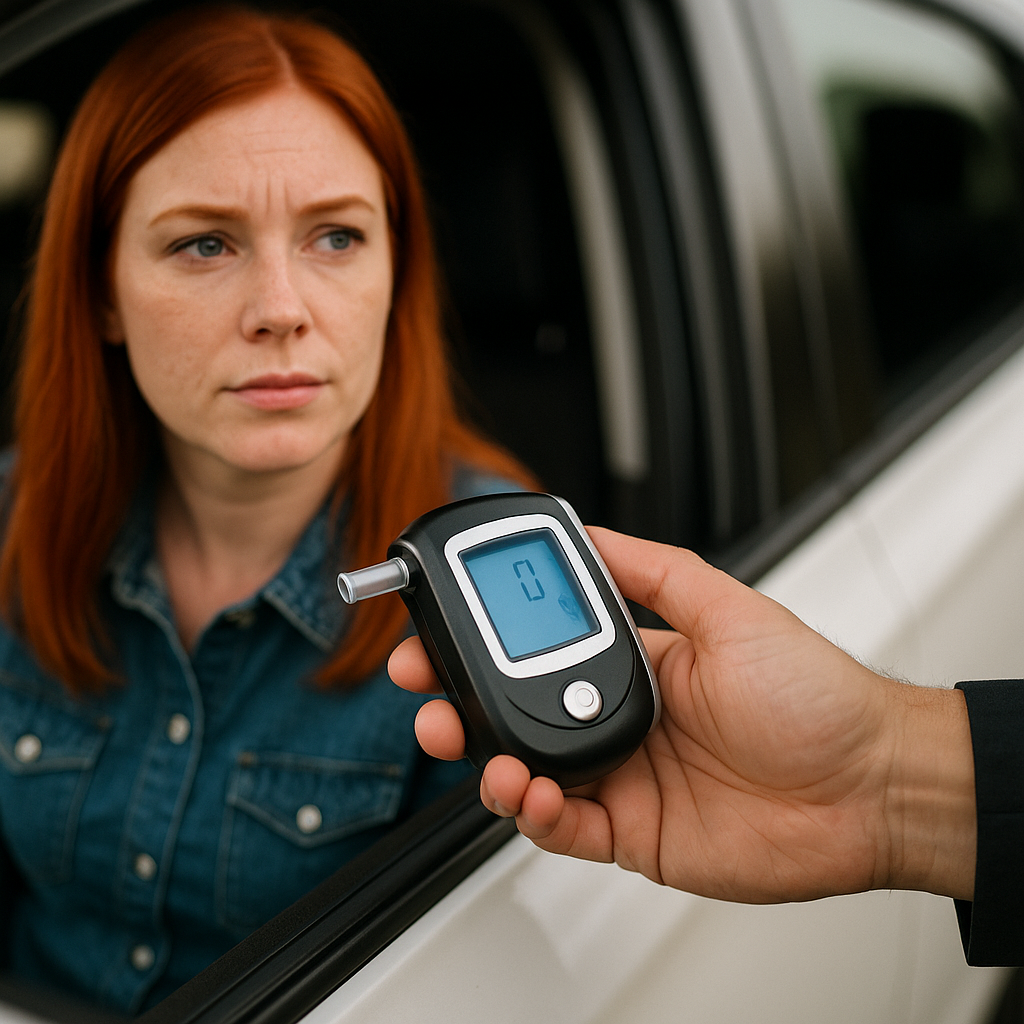
A DUI in Richmond doesn't lock you out of coverage — but it does narrow your carrier pool and typically doubles your premium for the next three years. Here's which insurers still write Virginia DUI drivers and what you'll pay.
What a DUI Does to Your Insurance in Richmond
A DUI conviction in Virginia triggers an immediate rate increase of 80–140% on average, depending on your carrier and prior record. If you were paying $110/month before the conviction, expect $200–260/month with the same carrier — assuming they don't non-renew you at the next policy period. The Virginia DMV classifies DUI as a major violation, which stays on your driving record for 11 years but affects your insurance rates most heavily in the first three to five years.
Virginia requires an SR-22 filing for all DUI convictions, which means your insurer must certify continuous coverage to the DMV for three years. The SR-22 itself costs $15–25 to file in Virginia, but the real cost is the premium increase that comes with being classified as high-risk. Not all carriers will write a policy once the SR-22 requirement appears — many standard insurers will non-renew at the end of your current term or decline to quote you entirely.
The three-year SR-22 clock in Virginia starts from the date your license is reinstated, not from the date of conviction or the date you file the SR-22. If your license is suspended for six months and you don't reinstate immediately after eligibility, your SR-22 period hasn't started yet. This is the most commonly misunderstood part of Virginia's SR-22 rules — drivers assume the three years begins at conviction and end up filing longer than required. Virginia's SR-22 requirements
Which Carriers Write DUI Drivers in Richmond
Not every carrier will quote you after a DUI, but Richmond drivers have access to both non-standard insurers that specialize in high-risk policies and a smaller subset of standard carriers that still write DUI drivers at higher rates. Non-standard carriers in Virginia that consistently write post-DUI policies include The General, Direct Auto, Acceptance Insurance, and National General. These insurers expect violations and price accordingly — you'll pay more than you did with a clean record, but you'll get coverage without the multi-month search.
A few standard carriers — GEICO, State Farm, and Progressive — will sometimes retain existing customers after a DUI or quote new applicants, but approval depends on the specifics of your conviction, your prior driving history, and whether you've completed all court-ordered requirements. GEICO tends to be the most lenient of the three for Virginia DUI drivers, but rates will still be significantly higher than pre-conviction. Allstate and Nationwide typically non-renew Virginia DUI policies at the next renewal period.
If you're currently insured and have a DUI conviction coming onto your record, do not wait for your carrier to non-renew you. Start shopping 45–60 days before your renewal date. Carriers that specialize in high-risk drivers often have better rates than the inflated renewal quote your current insurer will send after your violation posts to your MVR. non-standard auto insurance
What You'll Pay for SR-22 Insurance in Richmond
Average monthly premiums for SR-22 insurance after a DUI in Richmond range from $180 to $320 per month for minimum liability coverage, depending on your age, zip code within Richmond, and how many prior violations you have. If you're under 25 or have a prior speeding ticket or at-fault accident in addition to the DUI, expect the higher end of that range. Drivers over 30 with no other violations typically land closer to $180–220/month with non-standard carriers.
Virginia's minimum liability limits are 25/50/20, which means $25,000 per person for bodily injury, $50,000 per accident, and $20,000 for property damage. These are the limits most post-DUI drivers carry because premiums increase sharply with higher coverage. If you were carrying 100/300/100 limits before your DUI, dropping to state minimums can reduce your premium by 20–30%, though it also reduces your financial protection in the event of another accident.
Rates vary significantly by zip code within Richmond. Drivers in 23220 and 23223 (Jackson Ward and Church Hill) typically see premiums 15–25% higher than drivers in 23229 or 23238 (West End), even with identical violation histories, due to higher claim frequency and vehicle theft rates in those areas. Shopping multiple non-standard carriers is the highest-leverage action you can take — rate spreads between carriers for the same DUI driver can exceed $100/month.
How Long the DUI Affects Your Rates
Virginia insurers can surcharge a DUI for up to five years from the conviction date, though the surcharge typically decreases after the three-year mark. Most carriers apply the heaviest rate increase — often 100–140% above your base rate — for the first three years, then reduce the surcharge to 40–60% for years four and five. After five years, many carriers will reclassify you as standard risk if you've had no other violations, though the DUI remains on your MVR for 11 years total.
Your SR-22 filing requirement in Virginia ends three years after your license reinstatement date, assuming you maintain continuous coverage without a lapse. If your policy lapses at any point during those three years, the clock resets and you start the three-year period over from the date you refile. Virginia's DMV is notified immediately when an SR-22 policy cancels, and your license will be suspended again within 10–15 days if you don't have a new SR-22 on file.
Once your SR-22 period ends, you're no longer required to carry the filing, but you're still classified as a high-risk driver by most carriers until the five-year mark. Switching from a non-standard carrier to a standard carrier is possible after your SR-22 requirement ends, but you'll need to shop actively — your current insurer won't automatically move you to a lower rate tier just because the filing dropped off.
Reinstatement Requirements After a Richmond DUI
Before you can file an SR-22 and get insured, you need to reinstate your Virginia driver's license. A first-offense DUI in Virginia triggers a one-year administrative license suspension, though you may be eligible for a restricted license after completing the Virginia Alcohol Safety Action Program (VASAP) and installing an ignition interlock device. The reinstatement fee is $145 for a standard license or $220 if your suspension involved a refusal to submit to a breath or blood test.
You must complete VASAP before the DMV will reinstate your license. VASAP costs vary by provider but typically run $250–350 for the education component, plus additional fees for monitoring if you're on a restricted license. Ignition interlock installation costs $75–150, with monthly monitoring fees of $60–90 for the duration of your restricted license period, which is typically six months to one year depending on your BAC at the time of arrest.
Once your license is reinstated, you have 30 days to file your SR-22 with the Virginia DMV. Your insurer files the form electronically — you don't submit it yourself — but you must maintain that policy without a lapse for three full years. If you're on a restricted license, you can still get SR-22 insurance and drive to work, VASAP appointments, medical appointments, and court-ordered obligations. Your insurer doesn't distinguish between restricted and full licenses when calculating premiums.
What to Do If You're Dropped After a DUI
If your current carrier non-renews your policy after your DUI conviction, you typically receive 30–45 days' notice before the cancellation date. Use that time to shop non-standard carriers immediately — do not wait until the last week. A lapse in coverage after a DUI will suspend your license again and reset your SR-22 clock, costing you months of additional compliance time and higher premiums.
Non-standard insurers expect DUI drivers and will quote you without the multi-week underwriting delays you might encounter with standard carriers. The General, Acceptance, and Direct Auto all operate in Richmond and can often bind coverage the same day you apply. If you're quoted a rate above $300/month and you're over 25 with no other major violations, get at least two additional quotes — rate variance in the non-standard market is significant.
Virginia does not operate an assigned risk pool for auto insurance, which means if you're unable to find coverage in the voluntary market, you have no state-provided fallback option. This makes continuous shopping essential — if one carrier denies you, move to the next immediately. Drivers with DUI convictions plus additional violations like reckless driving or a suspended license for non-payment may need to work with a high-risk insurance broker who can access non-standard carriers that don't advertise directly to consumers.