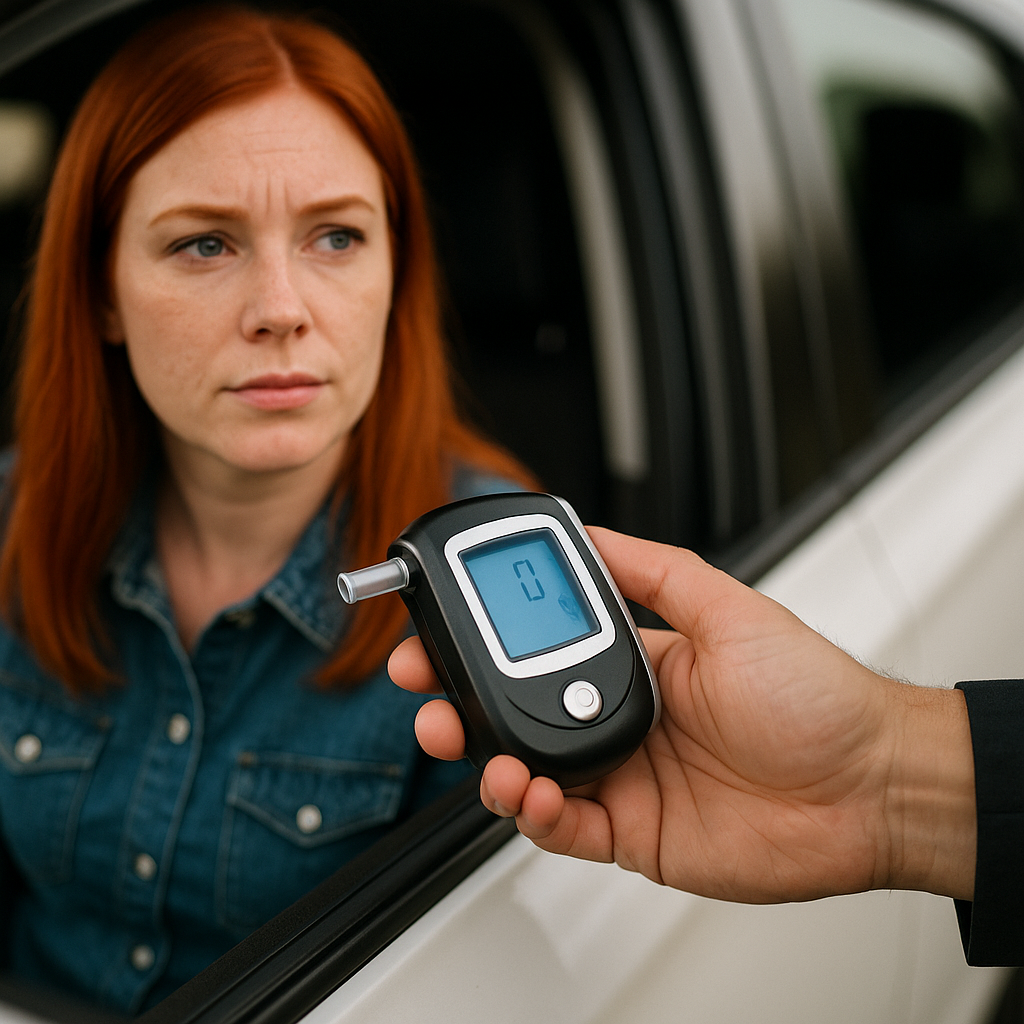
A DUI in San Antonio triggers an SR-22 requirement for 2 years minimum and rate increases of 70–130%. Several carriers still write high-risk drivers — and not all price the violation the same way.
What Happens to Your Insurance After a DUI in San Antonio
A DUI conviction in San Antonio triggers three immediate insurance consequences: your current carrier may non-renew your policy at the next renewal period, Texas DPS will suspend your license for 90 days to 2 years depending on prior offenses, and you will be required to file an SR-22 certificate with the state for a minimum of 2 years to reinstate driving privileges. The SR-22 is not insurance — it is a certificate your insurer files with DPS proving you carry at least Texas minimum liability coverage (30/60/25).
Rate increases after a DUI in Texas typically range from 70% to 130% depending on your carrier, prior driving history, and coverage levels. A San Antonio driver paying $150/month before a DUI may see premiums jump to $255–$345/month with SR-22 filing. Not all carriers price DUI violations identically — some assign flat surcharges while others apply percentage multipliers to your base rate, which creates significant price variation between quotes.
The Texas point system assigns no points for a DUI — it is handled separately as a major conviction that stays on your driving record for 15 years for insurance rating purposes, though the SR-22 requirement ends after 2 years if you maintain continuous coverage without lapses. The conviction remains visible to insurers long after your filing obligation ends, which means rate relief is gradual rather than immediate once the SR-22period closes. SR-22 insurance coverage
Which San Antonio Carriers Still Write DUI Drivers
Not all carriers exit after a DUI. Several national and regional insurers maintain high-risk programs that accept SR-22 filings and DUI convictions, though availability varies by underwriting appetite at any given time. Carriers actively writing DUI drivers in San Antonio include The General, Direct Auto, Acceptance Insurance, Fred Loya, and National Liability & Fire — all specialize in non-standard risk and file SR-22 certificates as part of the policy issuance process.
Standard carriers like State Farm, GEICO, and Progressive may retain existing customers after a first-offense DUI depending on tenure and prior claims history, but they typically reassign the policy to a non-standard subsidiary with higher rates. If your current carrier non-renews, you will need to shop non-standard specialists. Some San Antonio independent agents represent multiple non-standard markets and can compare pricing across carriers that do not sell direct-to-consumer.
Rate variation between carriers for the same DUI driver routinely exceeds 40–60% in San Antonio. A driver quoted $320/month by one non-standard carrier may receive a $195/month quote from another for identical coverage. This spread exists because each insurer uses different risk models to price DUI violations — some weigh recency of the conviction heavily while others factor in clean years before the offense. Shopping three or more quotes is not optional for DUI drivers — it is the difference between paying $2,400/year and $3,840/year for the same legal compliance. non-standard auto insurance
SR-22 Filing Requirements and Costs in Texas
Texas requires SR-22 filing for DUI convictions, refusal of chemical testing, driving without insurance, and certain repeat violations. The filing period begins on the date DPS receives the SR-22 certificate from your insurer and runs for 2 years minimum — shorter than the 3-year requirement common in states like California, Florida, and Ohio. If your policy lapses or cancels during the filing period, your insurer is legally required to notify DPS within 10 days, which triggers an immediate license suspension until you file a new SR-22 and pay reinstatement fees.
The SR-22 filing fee in Texas ranges from $15 to $50 depending on the carrier — this is a one-time administrative charge separate from your premium. Some carriers charge an additional SR-22 processing fee at each renewal, while others charge only at initial filing. The real cost of SR-22 is not the filing fee but the elevated premiums that accompany high-risk classification, which can add $1,200–$2,000/year to your insurance spend.
Texas does not require FR-44 certificates — only SR-22. The SR-22 proves you carry minimum liability coverage of $30,000 per person/$60,000 per accident for bodily injury and $25,000 for property damage. You cannot buy SR-22 insurance on a non-owner policy if you own a vehicle registered in your name — Texas DPS requires the SR-22 to be attached to an owner policy listing the vehicle you drive. Non-owner SR-22 policies are available only for drivers who do not own a car but need to reinstate their license. Texas SR-22 requirements
How Long DUI Rate Increases Last in San Antonio
A DUI conviction remains on your Texas driving record and affects your insurance rates for 15 years under state law, though the severity of the rate impact declines over time. Most carriers apply the steepest surcharge during years 1–3 after conviction, then gradually reduce the penalty as clean years accumulate. The 2-year SR-22 requirement ends first, but the conviction itself continues to influence your risk tier and premium for more than a decade.
Rate relief timelines vary by carrier. Some insurers reduce DUI surcharges by 20–30% after 3 years of clean driving, while others maintain elevated rates for 5–7 years before moving you back toward standard pricing. Carriers that specialize in high-risk drivers often offer step-down programs that lower your premium at 12-month or 24-month intervals if you avoid new violations and maintain continuous coverage. These programs are not advertised — you must ask your agent or insurer directly if step-down pricing is available.
Shopping rates every 6–12 months after a DUI is standard practice for drivers seeking rate recovery. Your original carrier may never return you to pre-DUI pricing, but a competitor may price your 3-year-old conviction more favorably. Once you pass the 5-year mark with no new violations, several standard carriers begin to consider you for standard-risk policies again — though you will not return to clean-record rates until the conviction ages beyond 10 years. The financial arc is long, but predictable: most DUI drivers see premium relief begin at year 3, accelerate at year 5, and approach normal rates after year 7–10 depending on the carrier.
License Reinstatement After a San Antonio DUI
Texas DPS suspends your license for 90 days to 2 years after a DUI conviction depending on prior offenses and whether you refused chemical testing. A first-offense DUI with no refusal typically results in a 90-day suspension, while a second offense or test refusal extends the suspension to 180 days or longer. You cannot legally drive during the suspension period even if you file an SR-22 — the SR-22 is required to reinstate after the suspension ends, not to drive during it.
Reinstatement requires three steps: complete your suspension period, pay DPS reinstatement fees (typically $125–$250 depending on the offense), and file an SR-22 certificate proving you carry active liability coverage. Some San Antonio drivers are eligible for an occupational driver license (ODL) during suspension, which allows limited driving for work, school, or essential household duties. An ODL requires a court hearing, proof of insurance, and payment of court and DPS fees — it does not replace full reinstatement but provides restricted driving privileges during the suspension.
Once your license is reinstated, the SR-22 filing requirement begins and runs for 2 years. Any lapse in coverage during this period — even a single day — resets the clock and extends your filing obligation. Continuous coverage is non-negotiable for DUI drivers under SR-22: if you cannot afford your current premium, switch carriers immediately rather than letting the policy lapse. A lapse adds 6–12 months to your total SR-22 duration and triggers additional reinstatement fees each time it occurs.
Finding the Lowest Rate After a DUI in San Antonio
The lowest rate for a San Antonio DUI driver is rarely with the first carrier you quote. Non-standard insurers use proprietary algorithms to price violations, which means two carriers can generate quotes that differ by $100–$150/month for the same driver and coverage. The General may quote $280/month while Direct Auto quotes $410/month — or vice versa — because each weighs factors like age, vehicle type, zip code, and years since conviction differently.
Independent agents who specialize in high-risk insurance can shop multiple non-standard carriers simultaneously, which saves time and surfaces pricing differences you would miss by quoting carriers individually. San Antonio has dozens of independent agencies that represent non-standard markets — look for agencies that advertise SR-22 filing or high-risk auto insurance explicitly. National online comparison tools aggregate quotes from some non-standard carriers but not all, so using both an independent agent and an online tool increases your odds of finding the lowest available rate.
Coverage selection affects pricing for DUI drivers more than clean-record drivers. Dropping collision and comprehensive coverage on older vehicles can reduce premiums by 30–40%, though you must still carry liability limits that meet Texas SR-22 minimums. Raising your liability limits above the state minimum (from 30/60/25 to 50/100/50, for example) typically adds only $10–$20/month and provides significantly better protection in the event of an at-fault accident. Payment plans matter too: many non-standard carriers charge 10–15% more for monthly installments versus paying the full 6-month premium upfront. If you can afford to pay in full, you will pay less annually — but never let a policy lapse to save cash, as the cost of reinstatement and extended SR-22 duration exceeds any short-term savings.