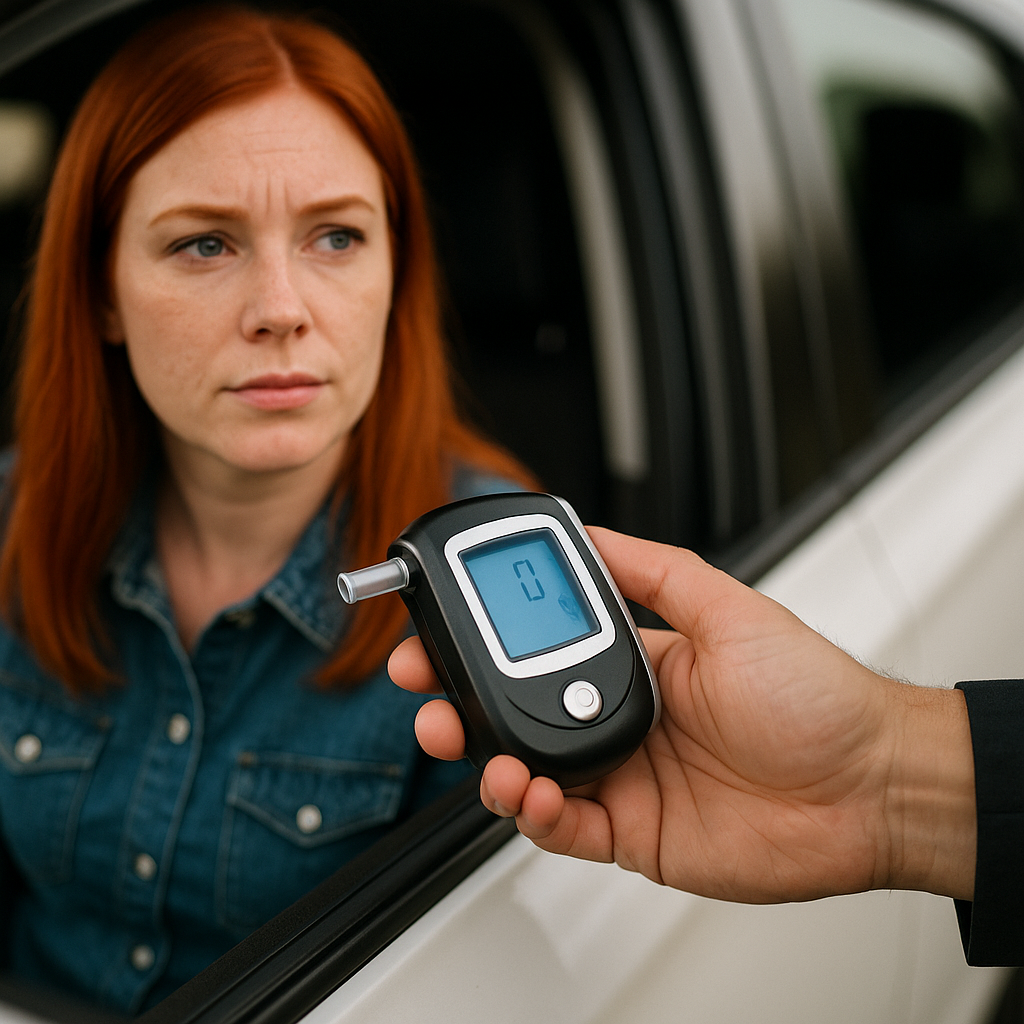
A DUI in San Francisco triggers SR-22 filing for three years and rate increases averaging 90–150%, but a dozen carriers still write high-risk drivers in the city — and availability is better than most Bay Area counties.
Why San Francisco DUI Drivers Have More Carrier Options Than Surrounding Counties
San Francisco supports a denser non-standard insurance market than most Bay Area counties. Carriers like The General, Bristol West, Acceptance, Gainsco, and Alliance United write DUI drivers in the city limits without requiring a brokered placement. In contrast, drivers in Marin, San Mateo, and parts of Alameda counties often need to work through surplus lines brokers to find SR-22 coverage after a DUI.
The difference comes down to claim frequency data and underwriting territory codes. San Francisco's 49 square miles contain enough high-risk volume to justify direct carrier presence, while suburban counties spread risk across lower-density zones that most non-standard carriers decline to write. This matters because brokered surplus lines policies typically cost 15–25% more than admitted carrier policies for the same coverage limits.
If you live in the city and were convicted of a DUI in San Francisco County, you are shopping in one of the most competitive high-risk markets in California. But most drivers accept the first quote they receive from their existing carrier or the first SR-22 filer they call, which often results in paying $150–$250/month when comparable coverage is available for $100–$180/month from a non-standard specialist. non-standard auto insurance
What a DUI Conviction Costs San Francisco Drivers in Rate Increases and SR-22 Filing
California requires SR-22 filing for three years following a DUI conviction. The SR-22 certificate itself costs $15–$25 to file, but the rate increase is where the financial impact lands. San Francisco drivers with a DUI see average premium increases of 90–150% over their pre-conviction rate, though the exact multiplier depends on your carrier, coverage limits, prior driving history, and whether you maintained continuous coverage.
A driver paying $120/month before a DUI can expect to pay $230–$300/month after conviction, assuming liability-only coverage with state minimums. If you add comprehensive and collision, monthly costs range from $280–$400/month depending on vehicle value and deductible. These are averages for non-standard carriers writing DUI risk in San Francisco — standard carriers like State Farm, Allstate, and Farmers either non-renew at the end of your current policy term or quote rates 20–40% higher than non-standard specialists.
SR-22 filing must remain active and uninterrupted for the full three-year period. If your policy lapses for non-payment or cancellation, the California DMV receives automatic notification and suspends your license within 10 days. Reinstatement after a lapse requires paying a $55 reissue fee to the DMV, filing a new SR-22, and often waiting 30–60 days for processing. Most non-standard carriers allow a 10-day grace period for late payment before they file an SR-26 cancellation notice with the state, but relying on grace periods is not a strategy — set up autopay on the day you bind coverage. California SR-22 requirements SR-22 insurance
Which Carriers Write DUI Drivers in San Francisco and How Rates Compare
The General, Bristol West, Acceptance Insurance, Gainsco, Alliance United, Freeway Insurance, Fiesta Auto, and Progressive's non-standard division all write DUI drivers in San Francisco without requiring surplus lines placement. GEICO and Mercury occasionally write DUI risk in California but often decline drivers with convictions in the past 24 months. State Farm, Allstate, Farmers, and USAA either non-renew at policy expiration or quote rates that exceed non-standard specialists by 30–50%.
Rate variance across non-standard carriers is significant. For a 35-year-old San Francisco driver with a single DUI, liability-only quotes for California's 15/30/5 minimums range from $95/month to $240/month depending on carrier, ZIP code within the city, and credit tier. The same driver adding 50/100/25 limits sees quotes from $130/month to $310/month. Comprehensive and collision coverage on a $15,000 vehicle with a $1,000 deductible pushes monthly costs to $190–$420/month.
Most drivers assume non-standard carriers price identically because they all serve high-risk profiles, but underwriting models vary widely. The General weights recent violations more heavily than Alliance United. Bristol West offers lower rates to drivers over 30. Acceptance discounts for homeownership even with a DUI on record. The only way to identify the lowest-cost option is to pull quotes from at least four non-standard carriers — and most drivers quote only one or two before binding coverage.
How Long a DUI Affects Your Rates in California and When You Can Return to Standard Carriers
California keeps DUI convictions on your driving record for 10 years, but insurance rate impact does not last the full decade. Most non-standard carriers begin reducing DUI surcharges after three years, and by year five post-conviction, rates typically drop to 40–60% above pre-DUI levels rather than the 90–150% surcharge applied immediately after conviction. By year seven, drivers with no additional violations can often qualify for standard carrier coverage at rates 10–30% above base.
The three-year SR-22 filing period is the hard floor. During that window, you are locked into non-standard or high-risk markets. Once the SR-22 requirement ends and you hit the three-year mark post-conviction, start shopping standard carriers again — even if your current non-standard carrier offers renewal. Progressive, GEICO, Mercury, and 21st Century all write drivers with DUIs older than three years, and their rates for that profile are typically 20–40% lower than non-standard renewal pricing.
San Francisco drivers who complete their SR-22 period without lapses, new violations, or at-fault accidents accelerate the rate recovery timeline. Carriers view continuous coverage and a clean post-DUI record as the strongest predictors of future loss ratio. If you maintained SR-22 filing for the full three years, paid premiums on time, and avoided new incidents, you are a significantly better underwriting risk than a driver with the same DUI history plus lapses or new violations — and that distinction shows up in quote pricing.
SR-22 Filing Mechanics in San Francisco: What Happens at the DMV and With Your Carrier
California courts mandate SR-22 filing as part of DUI sentencing. The court order specifies the filing start date, which is usually tied to license reinstatement after a suspension period. San Francisco DUI convictions trigger an automatic six-month license suspension for first offenses, though most drivers qualify for a restricted license after 30 days if they install an ignition interlock device and file SR-22.
Your insurance carrier files the SR-22 electronically with the California DMV once you purchase a policy. Filing happens within 24–48 hours of binding coverage in most cases, though some carriers take up to five business days. You do not file the SR-22 yourself — the carrier handles it, and the DMV confirms receipt by mailing you a notice. If the DMV does not receive the SR-22 within 15 days of your required filing date, your license remains suspended or gets re-suspended.
When you switch carriers during the three-year SR-22 period, the new carrier files a new SR-22 and the old carrier files an SR-26 cancellation notice. There is no gap if you bind the new policy before canceling the old one — overlap for a few days to ensure continuous filing. If you cancel first and then shop, you create a lapse, the DMV suspends your license, and you restart the SR-22 clock in some cases depending on how the court order was written. The safest sequence: get a quote, bind new coverage with SR-22, confirm the new carrier filed with the DMV, then cancel the old policy.
What to Do Right Now If You Need SR-22 Coverage in San Francisco
Pull quotes from at least four non-standard carriers before you bind coverage. The General, Bristol West, Acceptance, and Alliance United are the most consistent low-cost options for San Francisco DUI drivers, but rate ranking changes based on your specific profile. If you are under 25, over 55, own a home, or have multiple vehicles, underwriting models will favor different carriers.
Do not call your current carrier first. Standard carriers like State Farm and Allstate will quote SR-22 policies, but their rates for DUI drivers are typically 30–50% higher than non-standard specialists. If your current carrier has already non-renewed you, that decision is final — you cannot appeal or reverse it by calling the agent. Move to a non-standard carrier immediately to avoid a coverage lapse.
Bind the policy with the lowest quote, confirm the carrier filed SR-22 with the California DMV within 48 hours, and set up autopay. Check your DMV record online 7–10 days after filing to verify the SR-22 appears as active. If it does not, call the carrier and the DMV to resolve the issue before your license gets suspended. Once SR-22 is active, your only job for the next three years is to keep the policy in force without lapses — everything else is secondary to that requirement.