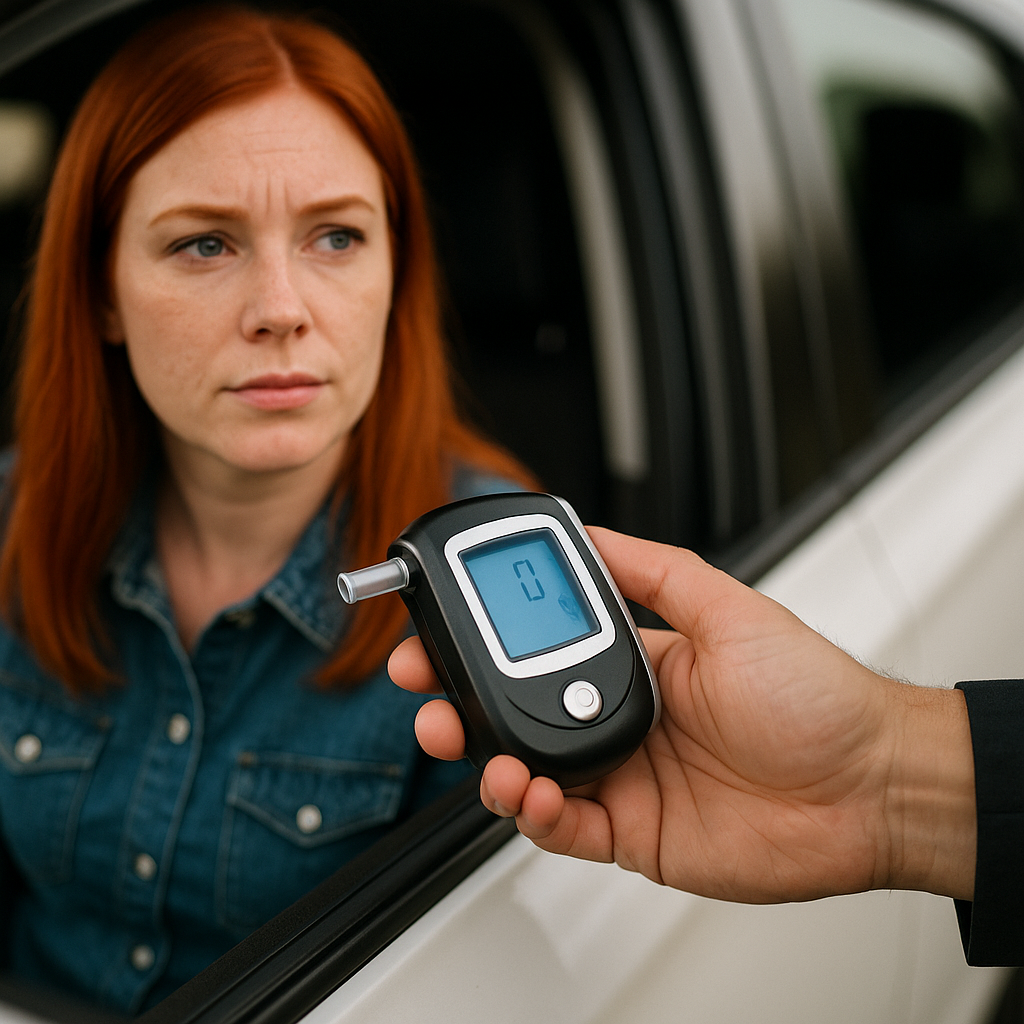
A DUI in Scottsdale triggers Arizona SR-22 requirements and rate increases averaging 80–140%, but six non-standard carriers actively write policies in the metro area without requiring a clean period first.
Arizona SR-22 Requirements After a Scottsdale DUI
Arizona requires SR-22 filing for three years following a DUI conviction, regardless of whether the charge was standard impaired, extreme (BAC 0.15–0.19%), or super extreme (BAC 0.20%+). The Arizona Department of Transportation (ADOT) Motor Vehicle Division mandates continuous coverage with no lapses — a single missed payment triggers a filing termination notice to the MVD, which suspends your license within 15 days. The SR-22 itself costs $15–$50 to file depending on the carrier, but the real cost is the underlying liability policy required to support it.
Scottsdale Municipal Court and Maricopa County Superior Court both report DUI convictions to ADOT within 10 business days. Your license is typically suspended for 90 days (first offense) or one year (second offense within 84 months), and reinstatement requires proof of SR-22 filing, completion of alcohol screening and classes, and payment of a $250 reinstatement fee. You cannot reinstate without an active SR-22 on file first.
Arizona does not allow restricted or hardship licenses during DUI suspensions for first or second offenses. You either complete the full suspension period or install an ignition interlock device (IID) to drive legally during suspension. The IID option requires SR-22 coverage that explicitly includes interlock-equipped vehicles — not all non-standard carriers write this endorsement, which further narrows your carrier pool in Scottsdale. Arizona SR-22 requirements non-standard auto insurance
Rate Increases After a Scottsdale DUI: What to Expect
A first-offense DUI in Arizona increases premiums by 80–140% on average, according to Insurance Information Institute data. A driver paying $150/month for full coverage before a DUI typically sees rates jump to $270–$360/month with SR-22. Rates for drivers with extreme or super extreme DUI convictions can exceed 200% increases, especially if combined with an at-fault accident or prior violations.
Scottsdale ZIP codes (85250–85262) trend 10–15% higher than Phoenix Metro averages due to higher property values and vehicle replacement costs in the area. A DUI amplifies this — non-standard carriers price based on both your violation history and your garaging ZIP code, so a Scottsdale address compounds the DUI surcharge. Drivers who work in Scottsdale but live in Tempe, Mesa, or Phoenix often see lower premiums for identical coverage and SR-22 filing.
Rates remain elevated for three to five years after the conviction date in Arizona. The SR-22 requirement drops after three years if you maintain continuous coverage, but the DUI remains on your motor vehicle record for five years and on your insurance history indefinitely unless the conviction is sealed. Most carriers reduce surcharges after year three, but you will not return to pre-DUI rates until the conviction ages beyond five years and you rebuild a clean driving period.
Non-Standard Carriers Writing DUI Policies in Scottsdale
Six carriers actively write SR-22 policies for DUI drivers in Scottsdale without requiring a waiting period: Progressive, Dairyland, Bristol West, Acceptance, National General, and Access General. These insurers specialize in high-risk placements and quote immediately after conviction — you do not need to wait 30, 60, or 90 days to apply. Standard carriers like State Farm, Allstate, GEICO, and USAA typically non-renew or cancel policies after a DUI and will not quote new business until the conviction is three years old.
Progressive and Dairyland maintain the largest market share for DUI placements in Maricopa County and quote through independent agents and direct channels. Bristol West and Acceptance operate through independent agents only and often deliver the lowest premiums for drivers with extreme DUI convictions or multiple violations. National General and Access General serve as fallback options when the first four decline due to additional risk factors like suspended license history, lapses, or prior DUI convictions.
Most Scottsdale drivers access these carriers through Phoenix-based brokers rather than local agents. Scottsdale has fewer independent agencies specializing in non-standard placement compared to central Phoenix, which means you may need to work with a broker by phone or online rather than meeting face-to-face. This does not affect your premium or coverage — the same carriers and rates apply regardless of where the broker is based.
SR-22 Filing Process in Scottsdale
You initiate SR-22 filing by purchasing a liability policy from a carrier authorized to file SR-22 in Arizona. The insurer submits the SR-22 form electronically to ADOT within 24–48 hours of policy binding. ADOT processes the filing and updates your record within 3–5 business days, at which point you can request license reinstatement if you have completed all other requirements (suspension period, alcohol classes, fees).
Arizona requires minimum liability limits of 25/50/15 (bodily injury per person / per accident / property damage) for SR-22 policies, but most non-standard carriers recommend 50/100/25 or higher to reduce personal exposure in the event of an at-fault accident. Higher limits also signal stability to underwriters and may lower your premium by 5–10% compared to state minimum coverage.
You must maintain the SR-22 filing continuously for three years with no lapses. If you cancel your policy or miss a payment, the carrier sends a cancellation notice to ADOT, which suspends your license within 15 days. Reinstating after a lapse requires filing a new SR-22, paying a $50 reinstatement fee, and restarting the three-year clock from the new filing date. A lapse extends your total SR-22 period, so maintaining continuous coverage is the fastest path to clearing the requirement. SR-22 insurance
Ignition Interlock Device Requirements and Insurance
Arizona law allows drivers with a DUI conviction to install an ignition interlock device and drive legally during the suspension period. This option requires a restricted license from ADOT and SR-22 coverage that includes an interlock endorsement. Not all non-standard carriers offer this endorsement — Progressive, Dairyland, and Bristol West write it routinely, but Acceptance, National General, and Access General may decline or require manual underwriting approval.
The interlock endorsement typically adds $10–$25/month to your premium and requires proof of device installation from a state-certified provider. Arizona mandates interlock for 12 months (first offense) or 18–36 months (second offense or extreme DUI). The device itself costs $70–$150 to install plus $60–$90/month for monitoring and calibration. Your insurer does not pay for the device — you cover that cost separately — but the policy must acknowledge the device's presence to remain valid.
Drivers who complete the interlock period and maintain a clean record during that time often see premium reductions of 10–20% when the device is removed, even while the SR-22 filing remains active. This is because the insurer views successful interlock compliance as a risk-reduction signal. Removing the device before the court-mandated period ends results in license re-suspension and potential policy cancellation, so follow the court order exactly.
Shopping for Coverage: What Scottsdale DUI Drivers Should Do Now
Premiums for identical SR-22 coverage after a DUI vary by 40–60% between carriers in Scottsdale. A driver quoted $340/month by Progressive may receive quotes of $240/month from Bristol West or $290/month from Dairyland for the same liability limits and SR-22 filing. This spread exists because non-standard carriers weigh risk factors differently — one may penalize extreme DUI more heavily, another may focus on prior lapses or accidents.
You should request quotes from at least four non-standard carriers before binding coverage. Work with an independent broker who can quote multiple insurers simultaneously rather than calling each carrier individually. Most brokers require only your driver's license number, conviction date, and current address to generate quotes within 10–15 minutes. Binding a policy takes an additional 15–30 minutes once you select a carrier.
Reevaluate your coverage every six months for the first two years after your DUI. Non-standard carrier rates fluctuate as your conviction ages, and a carrier that was cheapest at month one may be 20% more expensive than a competitor at month twelve. Arizona does not penalize drivers for shopping or switching carriers mid-term as long as the SR-22 filing remains continuous. Cancel your old policy only after the new SR-22 is active and confirmed by ADOT to avoid any lapse.
When You Can Return to Standard Carriers
Most standard carriers in Arizona will not quote drivers with a DUI conviction until the conviction is three years old and the SR-22 filing has been released. Some carriers extend this to five years for extreme or super extreme DUI convictions or if the DUI involved an accident. Even after the waiting period, you must demonstrate 36 consecutive months of continuous coverage with no lapses, no additional violations, and no at-fault accidents to qualify for standard rates.
Scottsdale drivers often save 30–50% by moving from non-standard to standard carriers once eligible. A policy costing $280/month with Progressive or Dairyland may drop to $150–$180/month with State Farm or USAA after the three-year mark. You do not need to wait for your renewal date to shop standard carriers — request quotes 90 days before your SR-22 release date so you can switch immediately when eligible.
Arizona removes the DUI conviction from your motor vehicle record five years after the conviction date, but insurers retain violation history indefinitely in underwriting databases like LexisNexis and ISO. The practical impact is that your rates improve significantly after year three when the SR-22 drops and again after year five when the conviction falls off your MVR, but you will not return to true clean-record pricing until you accumulate 5–7 years of violation-free driving after the conviction.