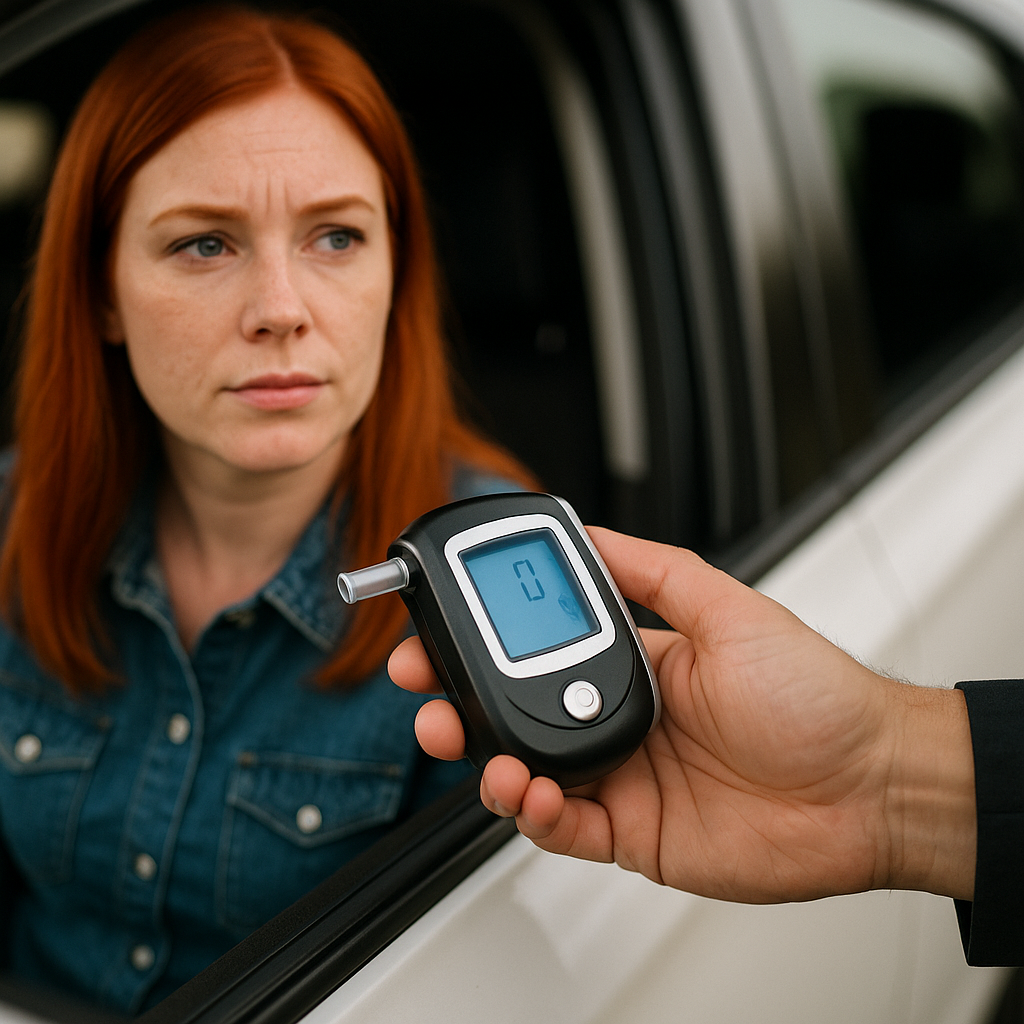
South Carolina requires SR-22 for 3 years after a DUI, and your rates will jump 70-140% depending on the carrier. Here's which non-standard insurers will still write you and what you'll actually pay.
What a DUI Does to Your Insurance in South Carolina
A DUI conviction in South Carolina triggers a mandatory 3-year SR-22 filing requirement and an average rate increase of 70–140%, depending on your carrier and age. If you were paying $1,400/year before the DUI, expect to pay $2,380–$3,360/year with the same carrier — if they keep you at all. Most standard carriers either non-renew DUI drivers at the policy anniversary or surcharge them into non-standard territory.
South Carolina does not assign points for DUI convictions, which means you won't face a point-based license suspension. Your suspension is administrative: 6 months for a first-offense DUI with a BAC of 0.15% or higher, or 90 days if you refused the breathalyzer. Reinstatement depends on completing the Alcohol and Drug Safety Action Program (ADSAP), paying the $100 reinstatement fee, and filing SR-22 proof of insurance. There is no waiting period to reduce points because no points are involved.
The SR-22 itself costs $25–$50 to file in South Carolina, but the real cost is the premium increase that comes with it. Non-standard carriers treat SR-22 + DUI as a package risk, and your rate is determined by how recent the conviction is, whether you have other violations, and how long you maintained continuous coverage before the DUI. A lapse in coverage before or after the DUI can double your quoted rate.
Which Carriers Write DUI Drivers in South Carolina
Not all carriers treat a DUI the same way. Standard carriers like State Farm, Nationwide, and USAA will sometimes keep a first-time DUI driver but apply a major violation surcharge that lasts 3–5 years. Non-standard carriers like The General, Acceptance Insurance, and National General specialize in high-risk policies and often quote lower rates than a surcharged standard policy — but with higher down payments and fewer coverage options.
South Carolina also has assigned risk through the South Carolina Reinsurance Facility, which guarantees coverage if no voluntary market carrier will write you. Assigned risk policies cost 40–60% more than voluntary non-standard policies and provide only state-minimum liability coverage. You're placed with a carrier through the facility, and they're required to issue a policy regardless of your record. This is the last-resort option if you've been declined by three or more voluntary carriers.
If you have a DUI plus another major violation — like reckless driving, a second DUI, or a refusal — you're more likely to land in assigned risk. If the DUI is your only violation and you've had no lapses in coverage, you should be able to find a voluntary market non-standard carrier. Shopping matters here more than anywhere else: quotes from three non-standard carriers on the same profile can vary by $1,200–$2,500/year. non-standard auto insurance
South Carolina DUI Rate Guide by Carrier Type
Here's what DUI drivers in South Carolina typically pay by carrier category, based on a 35-year-old male driver with state-minimum liability coverage and SR-22 filing:
Standard carriers (if they retain you): $2,400–$3,600/year. These are carriers like State Farm, Nationwide, and Progressive. They apply a DUI surcharge that lasts 3–5 years and treat the SR-22 as an administrative add-on. If you had a clean record and long tenure before the DUI, you may stay here.
Non-standard carriers: $1,800–$2,800/year. The General, Acceptance, National General, and Dairyland fall into this category. They expect high-risk drivers and price accordingly, often beating surcharged standard carriers by 20–30%. Down payments run 15–25% of the annual premium, and you'll typically be on a 6-month policy cycle.
Assigned risk: $3,200–$4,500/year. This is the South Carolina Reinsurance Facility. You're placed with a carrier, not choosing one. Coverage is state-minimum only, and you cannot add comprehensive or collision through the facility. Rates are filed with the state and apply uniformly across assigned risk placements.
These ranges assume state-minimum liability (25/50/25) and no additional violations. Adding collision or comprehensive to a DUI policy increases premiums by another 25–40%, and most non-standard carriers require full coverage if you have a loan or lease on the vehicle.
SR-22 Filing Rules and Timeline in South Carolina
South Carolina requires SR-22 filing for 3 years from the date of your DUI conviction, not the arrest date. The SR-22 is a certificate filed by your insurer with the South Carolina DMV proving you carry at least state-minimum liability coverage. If your policy lapses or cancels during the 3-year period, your insurer notifies the DMV within 10 days, and your license is suspended immediately.
You can file SR-22 even if you don't own a vehicle by purchasing a non-owner SR-22 policy. This covers you when driving someone else's car and satisfies the state's proof-of-insurance requirement. Non-owner SR-22 policies cost $300–$600/year in South Carolina, significantly less than an owner policy with a DUI surcharge. This is the right option if you sold your car after the DUI or use rideshare and public transit.
The 3-year SR-22 period runs continuously only if you maintain coverage without a lapse. A single-day lapse resets your suspension and requires reinstatement before you can drive legally again. After 3 years of clean SR-22 filing, your insurer stops filing the certificate, and your rates begin to normalize. Most carriers reduce or remove the DUI surcharge 3–5 years after the conviction date, meaning your rates start dropping in year four if you've had no additional violations. South Carolina SR-22 requirements
What Happens to Your License and Reinstatement Steps
A first-offense DUI in South Carolina results in a 6-month license suspension if your BAC was 0.15% or higher, or if you caused injury. If your BAC was 0.08–0.14% and you didn't refuse the test, the suspension is typically 30–90 days depending on court disposition. Refusal to submit to a breathalyzer results in an automatic 90-day suspension under South Carolina's implied consent law.
Reinstatement requires four steps: complete ADSAP enrollment and attend all required classes, pay the $100 reinstatement fee to the DMV, file SR-22 proof of insurance, and apply for reinstatement in person or by mail. You cannot skip ADSAP — the DMV will not reinstate your license until they receive confirmation from the program that you've completed all sessions. ADSAP costs $350–$450 and takes 8–20 hours depending on your assessment level.
South Carolina does not offer a provisional or hardship license for DUI suspensions. You are either suspended or reinstated. If you need to drive for work during suspension, you must wait until the suspension period ends, complete ADSAP, and file SR-22 before reinstatement. There is no restricted license option for first-offense DUI in this state.
How to Shop for Non-Standard Coverage After a DUI
Most DUI drivers in South Carolina assume they're stuck with the first carrier that accepts them. That assumption costs an average of $1,400–$2,200/year in overpayment. Non-standard carriers use entirely different underwriting models, and one carrier's decline is another's standard acceptance.
Start by quoting three non-standard specialists: The General, Acceptance Insurance, and National General. Get quotes with state-minimum liability and SR-22 filing first, then add comprehensive and collision only if required by a lender. Compare the 6-month premium, down payment, and payment plan fees — many non-standard carriers charge $5–$10/month for installment plans.
If all three decline you or quote above $4,000/year, contact an independent agent who writes assigned risk policies through the South Carolina Reinsurance Facility. Assigned risk is more expensive than voluntary non-standard, but it's guaranteed issue and it satisfies your SR-22 requirement. After 6–12 months of clean claims and on-time payments in assigned risk, you can re-shop the voluntary market and often find a carrier willing to write you at a lower rate.
Do not wait until your current policy cancels to start shopping. Non-standard carriers penalize lapses more heavily than standard carriers, and a lapse during your SR-22 period triggers an immediate license suspension. Start shopping 30–45 days before your renewal date, bind the new policy to start the day your old one ends, and confirm your new carrier has filed SR-22 with the DMV before your old policy lapses.