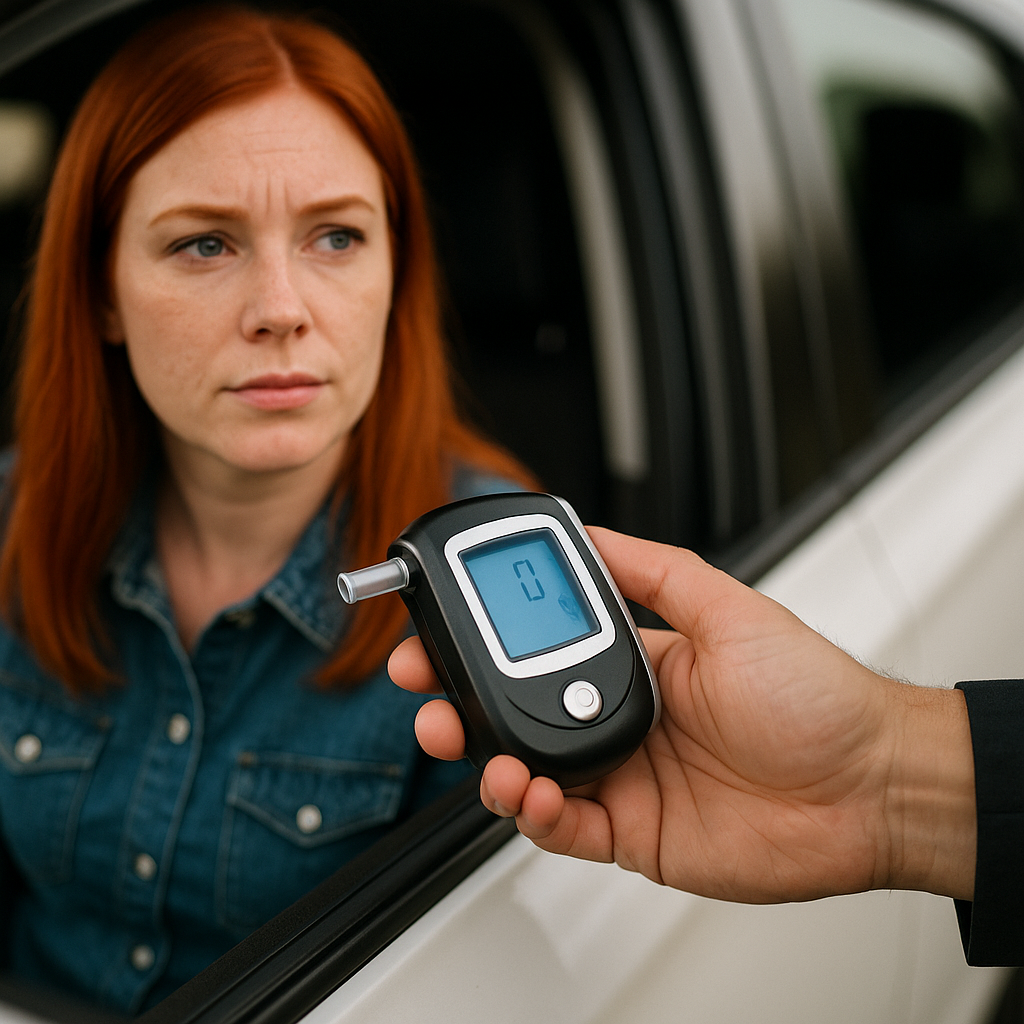
After a Virginia DUI, standard carriers typically non-renew within 60 days. Non-standard carriers like The General, National General, and Bristol West write post-DUI policies with SR-22 filing — expect $210–$340/mo for minimum liability.
Why Standard Carriers Drop You After a Virginia DUI
Virginia does not assign demerit points for DUI convictions. Unlike speeding tickets or reckless driving charges that add points to your DMV record, a DUI conviction appears as a standalone criminal offense. This distinction matters because standard carriers like State Farm, Geico, and Progressive treat DUI convictions as automatic underwriting disqualifiers — not as point threshold violations that might be forgiven with time or defensive driving courses.
Most standard carriers issue a non-renewal notice within 30–60 days of your DUI conviction appearing on your driving record. If your policy is mid-term, some carriers will allow you to finish the current policy period, but others invoke an immediate cancellation clause for material misrepresentation or substantial risk increase. Either way, you will not be able to renew with a standard carrier for at least 3 years post-conviction in Virginia, and many underwriting guidelines extend that window to 5 years.
This creates a 3–5 year window where your only options are non-standard carriers — insurers that specialize in high-risk drivers and charge premiums that reflect the actuarial risk of insuring post-DUI drivers. During this window, shopping between non-standard carriers is the single highest-leverage action you can take to control your insurance costs. Virginia SR-22 and FR-44 requirements non-standard auto insurance
Virginia SR-22 Filing Requirement After DUI
Virginia requires an SR-22 filing (officially called an FR-44 in Virginia) for most DUI convictions. The FR-44 is a certificate of financial responsibility that proves you carry at least the state-minimum liability coverage: $25,000 bodily injury per person, $50,000 bodily injury per accident, and $20,000 property damage. The FR-44 filing fee is typically $15–$50 depending on the carrier, and the filing must remain active and current for 3 years from your license reinstatement date — not from your conviction date.
If your FR-44 filing lapses because you miss a payment, switch carriers without transferring the filing, or cancel your policy, the Virginia DMV receives automatic notice within 24 hours. Your license is suspended immediately, and you must refile the FR-44 and pay a reinstatement fee of $145 to restore your driving privileges. The 3-year FR-44 clock also resets from the new reinstatement date, extending your total filing period.
Not all carriers offer FR-44 filing in Virginia. Standard carriers that might write SR-22 policies in other states typically refuse FR-44 filings entirely because Virginia's FR-44 requirement applies almost exclusively to DUI and serious repeat offenders. This further narrows your carrier options to the non-standard market. SR-22 insurance
Non-Standard Carriers That Write Post-DUI Policies in Virginia
The non-standard market in Virginia includes both national high-risk carriers and regional specialists. National carriers available statewide include The General, National General, Bristol West (a Farmers subsidiary), Infinity, and Acceptance Insurance. These carriers maintain underwriting guidelines specifically designed for post-DUI drivers and can typically bind coverage within 24–48 hours of application.
Regional carriers operating in Virginia include Dairyland (underwritten by Sentry Insurance) and Gainsco, both of which write FR-44 policies but may have stricter underwriting rules for drivers with DUI convictions less than 12 months old. Progressive and Geico both operate non-standard subsidiaries (Progressive Specialty and Geico Advantage) that occasionally write post-DUI policies in Virginia, but approval is not guaranteed and rates are often higher than dedicated non-standard carriers.
Carrier availability varies by ZIP code and underwriting appetite, which changes quarterly based on loss ratios and state regulatory filings. A carrier that writes your neighbor's post-DUI policy in Richmond may decline your application in Norfolk due to territorial underwriting restrictions. This is why running quotes with at least 3–4 non-standard carriers simultaneously is critical — relying on a single carrier quote leaves money on the table.
Post-DUI Rate Ranges in Virginia
Post-DUI rates in Virginia for minimum liability coverage with FR-44 filing range from $210/mo to $340/mo for drivers with a single DUI and no other major violations. Drivers with multiple DUIs, suspended licenses, or at-fault accidents in addition to the DUI conviction can see rates climb to $400–$500/mo. These figures reflect state-minimum liability only — adding comprehensive or collision coverage increases premiums by 40–60% depending on vehicle value and deductible selection.
For comparison, the average Virginia driver with a clean record pays approximately $85–$110/mo for minimum liability coverage. A DUI conviction increases your premium by roughly 200–300% during the first 3 years post-conviction. After your FR-44 filing period ends and the DUI ages beyond 5 years, you may qualify for standard carrier coverage again, with rates normalizing to 10–30% above clean-record premiums.
Rate differences between non-standard carriers are significant. In a sample quote comparison for a 35-year-old male driver in Virginia Beach with a 6-month-old DUI conviction, The General quoted $228/mo, National General quoted $267/mo, and Bristol West quoted $312/mo — all for identical coverage limits. Shopping three carriers instead of one saved $84/mo, or $1,008 annually, with no change in coverage quality.
How Long You Stay in the Non-Standard Market
Most Virginia drivers remain in the non-standard insurance market for 3–5 years post-DUI. The FR-44 filing requirement lasts 3 years, but standard carriers impose their own underwriting lookback periods — typically 5 years for DUI convictions. Even after your FR-44 filing period ends, you will likely remain uninsurable with standard carriers until the 5-year mark.
Some non-standard carriers offer "step-down" programs that reduce premiums incrementally as your DUI ages. Dairyland and National General both operate tiered rating systems where your premium drops 10–15% at the 12-month, 24-month, and 36-month anniversaries of your conviction date, assuming no new violations. These step-downs are not automatic — you must request a rate review or re-quote your policy to trigger the adjustment.
Once you pass the 5-year mark and your FR-44 filing is complete, you can begin shopping standard carriers again. Geico and Progressive are often the first standard carriers to accept post-DUI drivers once the conviction falls outside their underwriting lookback window. Expect to pay 20–40% above clean-record rates for the first 1–2 years after returning to the standard market, with full rate normalization occurring 7–10 years post-conviction if no new violations occur.
What to Do Immediately After Your Virginia DUI Conviction
Start shopping non-standard carriers before your current policy non-renews. Waiting until your coverage lapses triggers a lapse surcharge that can add 15–25% to your already-elevated post-DUI premium. Most non-standard carriers can bind coverage with 1–7 days' notice, but gathering quotes and comparing options takes time — start the process at least 30 days before your current policy ends.
Request FR-44 filing from your new carrier at the time of binding. The carrier submits the FR-44 electronically to the Virginia DMV, usually within 24–48 hours. Do not drive without both active coverage and an active FR-44 filing on record — Virginia law enforcement has real-time access to FR-44 status during traffic stops, and driving without proof of filing is a Class 1 misdemeanor carrying up to 12 months in jail and a $2,500 fine.
If cost is prohibitive, focus on state-minimum liability only and avoid comprehensive or collision coverage unless required by a lienholder. Minimum liability meets your FR-44 requirement and keeps you legal. Once your rates step down after 12–24 months, you can add broader coverage. Paying $340/mo for full coverage you cannot afford is worse than paying $230/mo for minimum liability and maintaining continuous coverage without lapses.