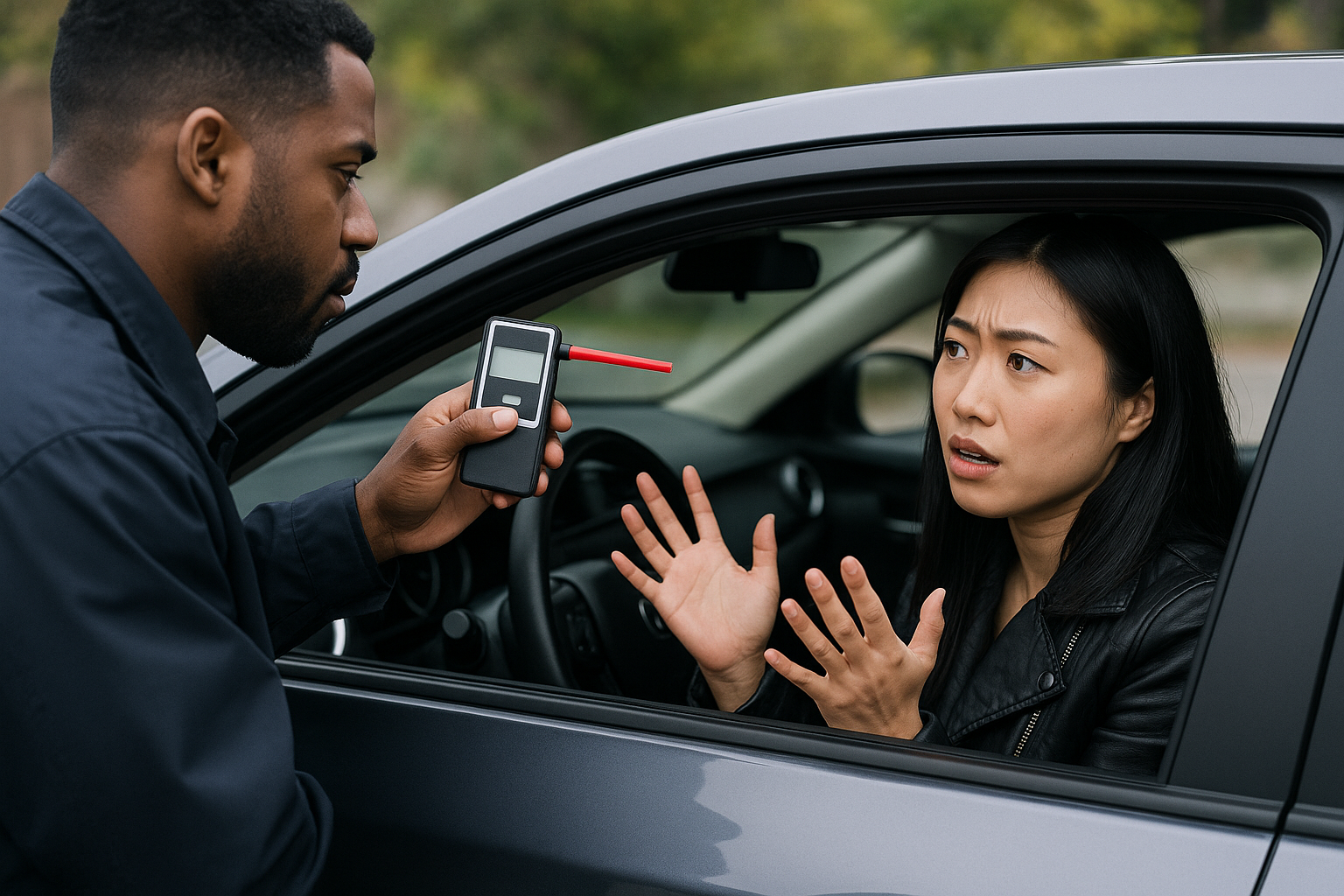
Washington requires SR-22 filing for 3 years after a DUI, but the real problem is finding a carrier willing to write you at all. Most standard insurers won't touch a DUI — here's which non-standard carriers will, what they charge, and how to compare them.
Why Standard Carriers Won't Write You After a Washington DUI
A DUI conviction in Washington triggers an automatic driver's license suspension and a 3-year SR-22 filing requirement from the Department of Licensing. But before you can file SR-22, you need an insurer willing to write you a policy — and that's where most Washington DUI drivers hit a wall. Roughly 70–80% of standard carriers in Washington either flatly decline DUI applicants or non-renew existing policies after a DUI conviction. The carriers that do accept you often quote rates 2–3 times higher than your pre-DUI premium.
The issue is not the SR-22 itself — that's just a $25–$50 form your insurer files with the state. The issue is underwriting appetite. Standard carriers like State Farm, Allstate, and GEICO may file SR-22 for existing customers with minor violations, but a DUI pushes most applicants outside their acceptable risk profile. Even if you get a quote, it's often artificially high to discourage you from accepting it.
This is why non-standard carriers exist. They specialize in high-risk drivers — DUI, suspended license, multiple at-fault accidents — and price accordingly. Their rates are higher than standard market rates, but they're the only realistic option for most Washington DUI drivers in the first 3–5 years post-conviction. The goal is not to find cheap insurance after a DUI. The goal is to find any insurance that meets Washington's SR-22 requirements and keeps you legal. Washington SR-22 requirements non-standard auto insurance
Non-Standard Carriers That Write Washington DUI Drivers
Washington's non-standard insurance market is smaller than California's or Florida's, but several regional and national carriers actively write DUI policies with SR-22 filing. The most accessible non-standard carriers for Washington DUI drivers include Bristol West, Dairyland, Progressive's non-standard division, National General, and Kemper. Not all of these carriers operate statewide, and availability varies by county — King, Pierce, and Spokane counties have the most options.
Bristol West and Dairyland are the two most frequently quoted non-standard carriers for Washington DUI drivers. Both offer SR-22 filing as part of the policy, both write liability-only and full coverage, and both have a reputation for quick turnaround on quotes. Progressive's non-standard tier is less predictable — some agents report aggressive pricing for first-time DUI drivers with otherwise clean records, while others see declines. National General and Kemper tend to price higher but may be the only option for drivers with multiple DUIs or a suspended license history.
One critical distinction: some carriers will file SR-22 but won't underwrite the underlying auto policy if you have a DUI. This is common with larger standard carriers trying to retain existing customers. They'll file the SR-22 form for you, but they won't actually insure your car. If you're shopping for coverage after a Washington DUI, you need a carrier that will do both — write the policy and file the SR-22 — or you're not actually insured. SR-22 insurance
What Washington DUI Drivers Actually Pay: Rate Ranges by Coverage Type
Post-DUI insurance rates in Washington vary widely based on your age, county, vehicle, and how many years have passed since the conviction. Most Washington DUI drivers pay $150–$350 per month for minimum liability coverage with SR-22 filing in the first year after conviction. Full coverage — collision and comprehensive — typically runs $250–$500 per month, depending on the vehicle's value and your deductible.
Younger drivers under 25 and those in urban counties like King or Pierce see the highest premiums. A 23-year-old Seattle driver with a DUI might pay $400–$600 per month for full coverage through a non-standard carrier. A 40-year-old Spokane driver with no other violations might pay $180–$250 per month for the same coverage. The rate spread reflects both statistical risk and local claim frequency.
Rates typically drop 15–25% once you hit the 3-year mark and your SR-22 filing requirement ends, assuming no additional violations. After 5 years, most drivers with a single DUI and a clean record since can return to standard carriers and see rates approach pre-DUI levels — though the conviction itself stays on your Washington driving record for 15 years and remains visible to insurers during that period. The practical impact on premiums fades after year 5, but the underwriting flag persists.
SR-22 Filing Requirements and Reinstatement Process in Washington
Washington requires continuous SR-22 filing for 3 years following a DUI conviction or certain other major violations. The SR-22 form certifies to the Department of Licensing that you carry at least the state minimum liability coverage: $25,000 bodily injury per person, $50,000 per accident, and $10,000 property damage. If your policy lapses or cancels for any reason during the 3-year period, your insurer must notify the DOL within 10 days, and your license is automatically suspended again.
The 3-year clock does not start until your driving privileges are reinstated. If your license is suspended for 90 days after a DUI, you cannot file SR-22 until you've completed the suspension, paid the reinstatement fee (typically $150–$170), and completed any required alcohol education or treatment programs. Only then does the SR-22 period begin. Many Washington drivers assume the 3 years start from the date of conviction — they don't. The clock starts when you're legally allowed to drive again.
Missing a payment or letting your policy cancel during the SR-22 period resets your suspension and often adds months to your total timeline. Non-standard carriers are generally more aggressive about cancellation for non-payment than standard carriers, which means automatic payment setup is critical. One missed payment can trigger a 30-day lapse notice, a license suspension, and the need to refile SR-22 and pay reinstatement fees all over again.
How to Compare Non-Standard Quotes and Avoid Overpaying
Non-standard insurance pricing is less standardized than the regular market, which means rate variation between carriers for the same Washington DUI driver can exceed 40–60%. A quote from Bristol West might come in at $210/month while Dairyland quotes $340/month for identical coverage. This is not unusual — it reflects different underwriting models, loss experience, and regional pricing strategies.
The most effective way to compare non-standard quotes is through an independent agent or a multi-carrier quoting tool that includes non-standard carriers. Calling individual carriers directly is inefficient because many non-standard insurers don't sell direct to consumers — they work through agents or brokers. A good independent agent in Washington will have access to 3–5 non-standard carriers and can generate quotes from all of them in a single session.
When comparing quotes, verify that each one includes SR-22 filing and that the policy effective date aligns with your reinstatement timeline. Some quotes exclude SR-22 or assume you're already licensed, which makes them useless for a post-DUI driver. Also confirm the payment schedule — some non-standard carriers require monthly EFT, others allow quarterly or semi-annual payment. Missing a single payment during your SR-22 period has consequences far beyond a late fee, so choose a payment schedule you can reliably meet.
What Happens After the 3-Year SR-22 Period Ends
Once you've maintained continuous SR-22 coverage for 3 years in Washington, your filing requirement ends and your insurer will notify the Department of Licensing. Your license does not automatically improve, but you're no longer legally required to carry SR-22. At this point, most drivers can shop outside the non-standard market and begin receiving quotes from standard carriers again — though your DUI conviction remains on your record and will still affect your rates for another 2–3 years.
Many non-standard carriers will keep you as a customer even after your SR-22 requirement ends, but their rates don't automatically drop. You need to re-shop. Some drivers see a 20–30% rate reduction by switching from their non-standard carrier to a standard carrier once SR-22 ends. Others find that standard carriers still won't write them until 5 years post-conviction, depending on their overall driving record and claims history.
The most important step is not to cancel your non-standard policy until you have a replacement policy in force. Even after SR-22 ends, a coverage gap can trigger underwriting issues with standard carriers and may result in higher quotes or outright declines. Overlap your policies by a day or two, confirm the new carrier has bound coverage, then cancel the old policy. A clean transition at the 3-year mark positions you for the fastest possible rate recovery.