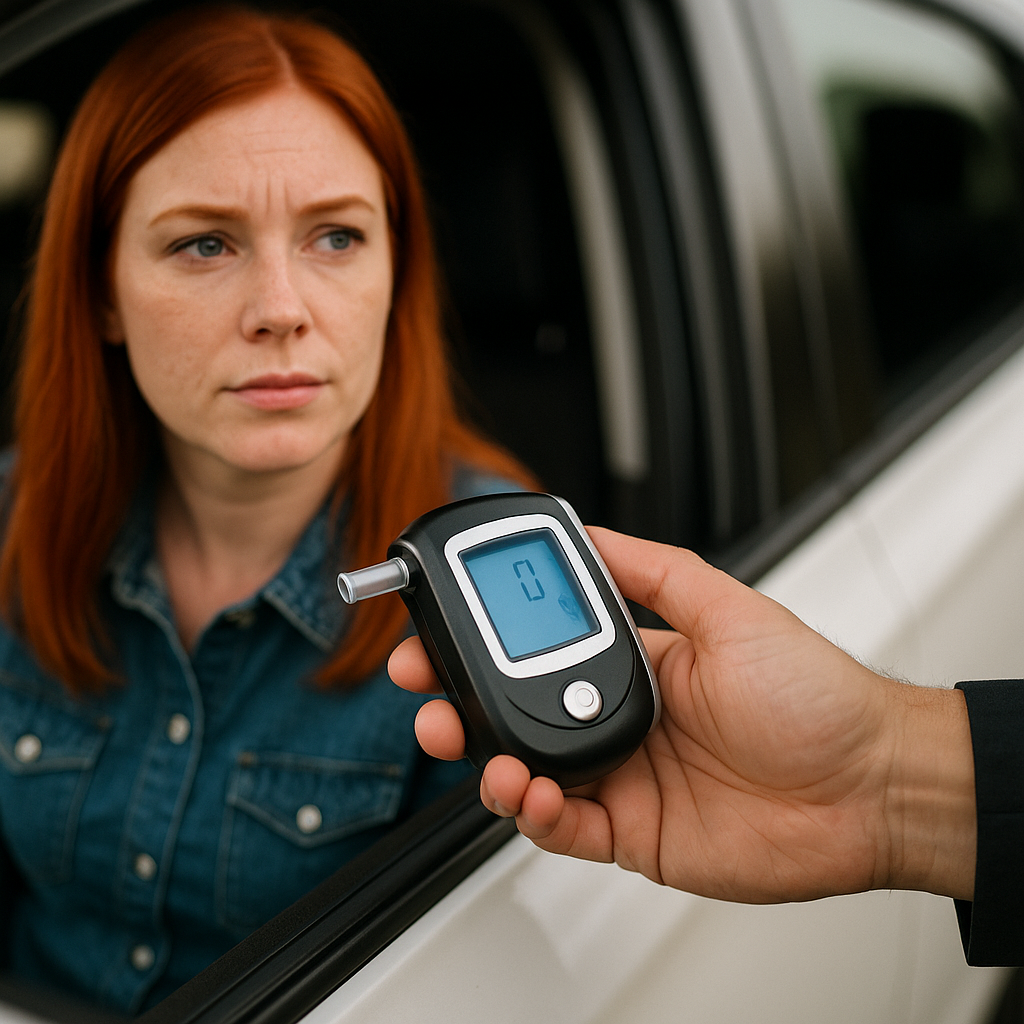
Got a DUI in Winston-Salem? You'll face 3 years of SR-22 filing, rate increases of 70–130%, and a smaller carrier pool — but multiple insurers still write North Carolina high-risk drivers, and your rates begin dropping after year one.
North Carolina SR-22 Requirements After a DUI
A DUI conviction in North Carolina triggers a mandatory 3-year SR-22 filing period from the date your license is reinstated, not from the date of conviction. The North Carolina DMV will not restore your driving privileges until your insurer files an SR-22 certificate confirming you carry at least the state minimum liability limits: $30,000 bodily injury per person, $60,000 per accident, and $25,000 property damage. Most drivers spend 30–90 days suspended before reinstatement, meaning your SR-22 clock doesn't start until you've completed all court-ordered requirements and paid reinstatement fees.
The SR-22 itself costs $50–75 to file in North Carolina, a one-time fee your insurer charges when they submit the certificate electronically to the DMV. This fee is separate from your premium. If your policy lapses or cancels at any point during the 3-year filing period, your insurer must notify the DMV within 10 days, triggering an immediate license suspension. Reinstatement after a lapse requires a new SR-22 filing and often restarts your 3-year clock, depending on how the DMV classifies the lapse.
North Carolina does not allow SR-22 filings through non-owner policies if you own a vehicle registered in your name. If you own a car, you must carry a standard auto policy with SR-22 attached. If you do not own a vehicle, a non-owner SR-22 policy will satisfy the DMV requirement, but the moment you register a vehicle, you'll need to convert to a standard policy or risk a filing gap. North Carolina SR-22 requirements SR-22 insurance
Which Carriers Write DUI Drivers in Winston-Salem
The Winston-Salem market for post-DUI insurance concentrates around six to eight active carriers willing to write new business for drivers with DUI convictions. Progressive, GEICO, and National General consistently quote DUI drivers in Forsyth County, though all three will classify you as non-standard and assign you to a high-risk underwriting tier. State Farm and Nationwide occasionally write DUI risks in North Carolina but more often decline new business within the first year post-conviction, reserving capacity for drivers further out from the violation date.
Regional and non-standard specialists like Acceptance Insurance, Gainsco, and Bristol West operate in the Winston-Salem area and focus exclusively on high-risk drivers. These carriers often price more competitively than the national brands for the first 12–24 months post-DUI because they model DUI risk as part of their core book, not an exception tier. The tradeoff: coverage options are more limited, customer service is less robust, and you may see higher out-of-pocket costs at claim time due to restrictive policy language.
Carriers price DUI risk using different actuarial models, which is why two drivers with identical records can receive quotes that differ by 40–60% for the same coverage. One carrier may heavily weight the conviction date and offer better pricing after year two, while another penalizes the violation type more severely but discounts faster for clean driving post-conviction. Shopping between at least three carriers at the point of reinstatement is not optional — it's the single highest-leverage action available to control your costs over the SR-22 period. non-standard auto insurance
Rate Increases and What to Expect Over Three Years
A DUI conviction in North Carolina typically triggers a 70–130% rate increase compared to your pre-conviction premium, with the exact multiplier depending on your carrier, age, prior history, and coverage limits. A driver paying $120/month before a DUI might see premiums jump to $210–275/month immediately after reinstatement. Drivers under 25 or those with prior violations often land at the higher end of that range, while drivers over 30 with otherwise clean records trend toward the lower end.
Rates begin to decline after the first year if you maintain continuous coverage and avoid new violations. Most carriers reduce the DUI surcharge incrementally: expect a 10–20% drop at the first renewal anniversary, another 10–15% at year two, and a final reduction at year three when the SR-22 requirement ends. By year four, assuming no new violations, your rates should return to within 20–30% of pre-DUI levels, though the conviction remains on your North Carolina driving record for seven years and insurers can continue to factor it into pricing.
The rate recovery timeline is not automatic — it depends entirely on maintaining an uninterrupted policy. A single lapse, even for nonpayment unrelated to driving behavior, resets your risk profile with most carriers and can erase the rate progress you've earned. Carriers view policy continuity as the strongest predictor of future risk for DUI drivers, which is why keeping coverage active, even if you're not driving regularly, is critical to long-term rate recovery.
Defensive Driving and Limited Driving Privileges
North Carolina courts often mandate completion of an Alcohol and Drug Education Traffic School (ADETS) program as part of DUI sentencing, and completion is required before the DMV will consider reinstatement. Some drivers confuse ADETS with a defensive driving course, but they serve different purposes: ADETS satisfies a legal requirement, while a voluntary defensive driving course can qualify you for a 5–10% insurance discount with some carriers.
Not all carriers recognize defensive driving discounts for DUI drivers, and those that do often restrict eligibility until after the first year of SR-22 filing. Progressive and State Farm both offer discounts for North Carolina-approved defensive driving courses, but you must complete the course after your conviction date for it to apply to post-DUI premiums. Completing a course before reinstatement and presenting the certificate to your insurer at the time of policy binding can secure the discount immediately, saving $15–30/month depending on your base premium.
If you qualify for a limited driving privilege (LDP) during your suspension period, you can obtain insurance coverage before full reinstatement. An LDP allows you to drive to work, school, court-ordered programs, and medical appointments while your license is technically suspended. Carriers will issue a policy and SR-22 filing for LDP holders, though premiums are often identical to post-reinstatement rates since the DUI conviction is already on record. The advantage: you begin satisfying the 3-year SR-22 requirement during the suspension period, potentially shortening the total time you'll carry the filing.
Coverage Choices That Affect Your Premium
After a DUI, most drivers reflexively increase liability limits or add comprehensive and collision coverage, assuming higher limits will satisfy the DMV or improve their standing with insurers. The DMV only requires you to meet state minimums: $30,000/$60,000/$25,000 liability. Anything above that is voluntary and will increase your premium proportionally. Raising liability to $100,000/$300,000 can add $30–50/month to your premium, and for many DUI drivers in the first year post-conviction, that cost outweighs the incremental protection.
Comprehensive and collision coverage are not required to satisfy SR-22, even if you're financing a vehicle. Lenders require comp and collision to protect their interest in the car, but the SR-22 filing itself only attaches to liability coverage. Dropping comp and collision can reduce your monthly premium by $50–100, though you'll assume full financial responsibility for vehicle damage and theft. If your car is worth less than $5,000 and you can absorb the replacement cost, dropping physical damage coverage is the fastest way to lower your out-of-pocket expense during the SR-22 period.
Uninsured motorist coverage is optional in North Carolina, and some high-risk carriers exclude it from non-standard policies by default. If the carrier offers it, expect to pay an additional $10–20/month. For drivers on tight budgets, this is one of the first coverages to evaluate for removal, though it leaves you exposed if you're hit by a driver with no insurance — a common scenario in North Carolina, where the uninsured rate hovers near 7% statewide.
How Long the DUI Stays on Your Record
A DUI conviction remains on your North Carolina driving record for seven years from the date of conviction, not the date of arrest or the date of SR-22 filing. Insurers can access and price this conviction for the full seven-year period, though the surcharge applied to your premium decreases significantly after year three when the SR-22 requirement ends. By year four or five, many carriers treat the conviction as a minor rating factor rather than a disqualifying event, assuming you've maintained continuous coverage and avoided new violations.
The conviction also appears on criminal background checks indefinitely unless you pursue expungement, which North Carolina does not allow for DUI convictions in most cases. This has no direct effect on insurance pricing, but it can affect employment and housing applications, which indirectly influence your ability to maintain stable income and keep insurance premiums current.
After the seven-year mark, the DUI drops off your driving record entirely, and insurers can no longer factor it into underwriting or pricing. At that point, your rates should return to standard-risk levels, assuming no other violations or claims have occurred. Drivers who maintain clean records from year three through year seven often see their best pricing in year eight, when they re-enter the standard market with no surcharges and multiple carriers competing for their business.