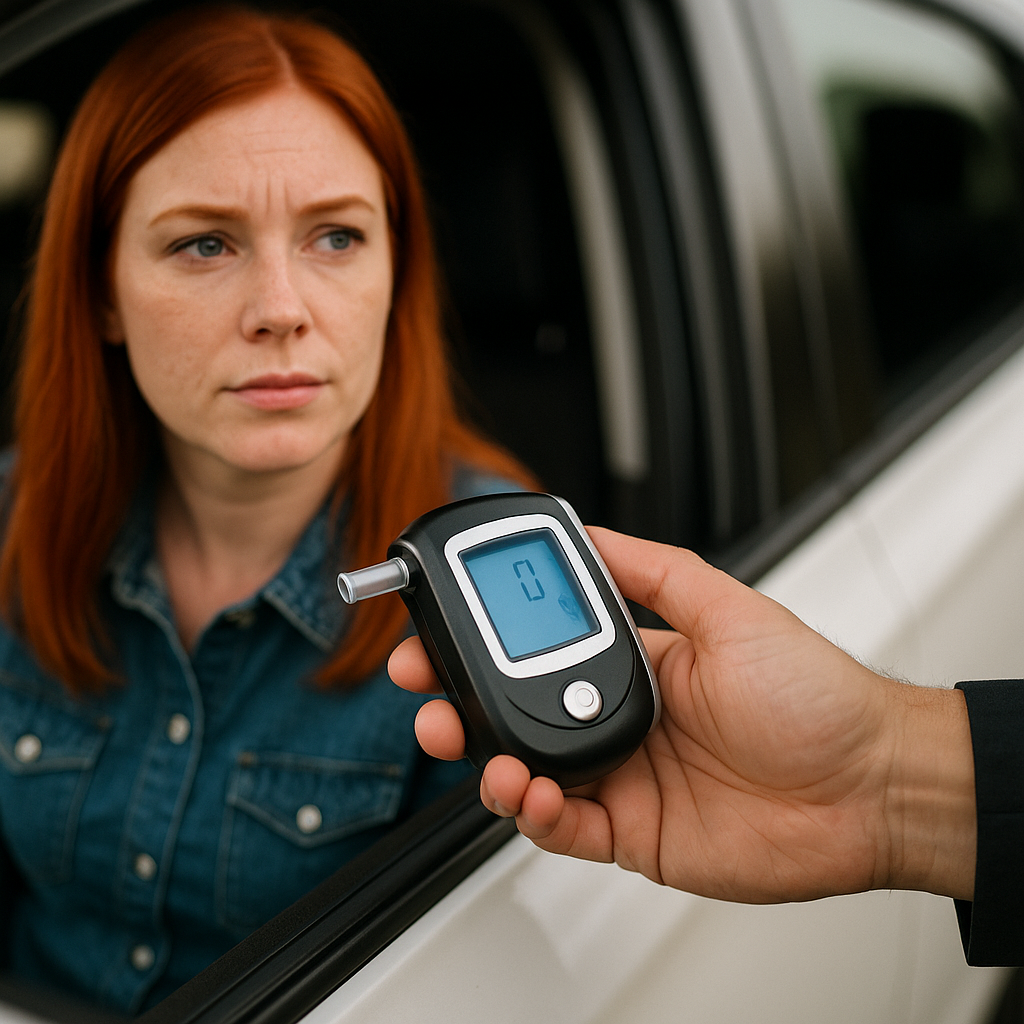
Wyoming DUI convictions trigger a 3-year SR-22 requirement and rate increases averaging 80–140%. Most standard carriers non-renew immediately, but five non-standard carriers actively write post-DUI policies in the state.
How a DUI Changes Your Insurance Status in Wyoming
A DUI conviction in Wyoming moves you from the standard insurance market to the non-standard market immediately. Most national carriers — State Farm, Allstate, GEICO for standard policies — will non-renew your policy at the next renewal period or cancel outright if your policy allows it. The Wyoming Department of Transportation requires you to file an SR-22 certificate for three years from your conviction date, and that filing must remain continuous without any lapses or the three-year clock resets.
Wyoming assigns 10 points to your license for a DUI conviction, but the SR-22 requirement is triggered by the conviction itself, not the point total. Your points remain on your driving record for three years, but your SR-22 filing obligation runs separately and must be maintained even after points fall off. The state does not offer hardship licenses or restricted driving privileges during a DUI suspension — you serve the full 90-day suspension for a first offense, 180 days for a second, and one year for a third.
Rate increases after a Wyoming DUI average 80–140% over your pre-conviction premium, with the SR-22 filing adding $15–$50 per year depending on your carrier. The larger cost driver is the risk classification change itself, not the filing fee. Standard carriers exit, and non-standard carriers price for elevated risk. Your actual rate depends on your county (Laramie and Natrona counties run higher than rural areas), your age, and how many other violations appear on your record alongside the DUI. Wyoming SR-22 requirements SR-22 insurance non-standard auto insurance
Non-Standard Carriers Writing DUI Policies in Wyoming
Wyoming's non-standard carrier market is smaller than most states due to population size and geographic spread. Five carriers consistently write post-DUI policies statewide: The General, Bristol West, Dairyland, Progressive's non-standard division, and National General. None of these carriers advertise openly as "DUI specialists," but all maintain underwriting appetite for SR-22 drivers and file rates with the Wyoming Department of Insurance specifically for high-risk classifications.
The General and Bristol West typically offer the lowest monthly premiums for drivers carrying state minimum liability (25/50/20), but both impose strict payment terms — usually monthly electronic withdrawals with no grace period for missed payments. Dairyland allows quarterly payment plans and writes slightly higher coverage limits without pricing you out, which matters if you own a home or have assets to protect. Progressive's non-standard division operates separately from their standard book of business and will quote you even if Progressive standard declined you, but rates are generally 15–25% higher than The General or Bristol West for comparable coverage.
National General writes statewide but focuses on rural Wyoming counties where other non-standard carriers have limited agent networks. If you live outside Cheyenne, Casper, or Laramie, National General may be your only option that doesn't require an out-of-state assigned risk policy. All five carriers file SR-22 certificates electronically with the Wyoming Department of Transportation at no extra filing fee beyond the standard $15–$25 processing charge.
Rate Ranges by Coverage Level After a Wyoming DUI
Baseline rates for post-DUI insurance in Wyoming vary by coverage level and carrier, but patterns hold across the non-standard market. For state minimum liability coverage (25/50/20), expect monthly premiums between $95 and $180 depending on your county and age. Drivers under 25 or over 65 trend toward the higher end. Laramie County (Cheyenne) runs 10–15% higher than statewide averages due to accident frequency and theft rates.
If you increase liability limits to 50/100/50 — a common requirement for drivers with financed vehicles or mortgages — monthly premiums rise to $140–$250 across the same carrier pool. Adding comprehensive and collision coverage pushes total premiums to $220–$400 per month, with deductibles of $1,000 standard for non-standard policies. Lower deductibles are available but increase monthly costs by 20–30%.
These ranges assume a single DUI with no other moving violations in the past three years. If you have a DUI plus a speeding ticket, at-fault accident, or prior suspension, expect the higher end of each range or potential declination from some carriers. Drivers with two DUI convictions within five years will struggle to find coverage outside of assigned risk pools, which in Wyoming means the Wyoming Automobile Insurance Plan (WAIP), a state-managed insurer of last resort that typically charges 40–60% more than standard non-standard carriers.
SR-22 Filing Mechanics and Compliance Timelines
Wyoming requires your insurance carrier to file the SR-22 certificate electronically with the Wyoming Department of Transportation within 30 days of your conviction or license reinstatement eligibility date, whichever comes first. Your carrier sends the filing directly — you do not submit it yourself. The filing confirms you carry at least state minimum liability coverage and obligates your carrier to notify the state immediately if your policy cancels or lapses for any reason.
Your three-year SR-22 requirement begins the day the state receives the filing, not the day of your conviction. If your conviction occurred in January but you didn't file SR-22 until March, your obligation runs from March forward. Any lapse in coverage during those three years — even a single missed payment that triggers a cancellation — resets the three-year clock to zero. The state sends a notice of suspension within 15 days of a lapse notification from your carrier, and your license suspends 30 days after that notice unless you file a new SR-22 and pay a $50 reinstatement fee.
Wyoming does not require proof of future financial responsibility beyond the three-year SR-22 period unless you accumulate additional violations. Once you complete three continuous years without a lapse, your carrier files an SR-26 form (proof of release) with the state, and you can return to the standard insurance market. Most drivers see rate reductions of 30–50% within six months of their SR-22 release date, assuming no new violations during the filing period.
What Happens If You Cannot Find Coverage
If all five non-standard carriers decline your application — typically due to multiple DUIs, a DUI combined with reckless driving, or a DUI while uninsured — Wyoming law requires you to enter the Wyoming Automobile Insurance Plan (WAIP). This is the state's assigned risk pool, managed by the Wyoming Department of Insurance, where carriers are assigned to write policies for drivers no one else will accept.
WAIP premiums run 40–60% higher than standard non-standard carriers and coverage is limited to state minimum liability only. You cannot add comprehensive, collision, or higher liability limits through WAIP. The assigned carrier files your SR-22 and you remain in the pool until you complete one full policy term (six months or one year depending on the assigned carrier) without violations or lapses. After that term, you can reapply with standard non-standard carriers, and most will reconsider your application if your WAIP term was clean.
WAIP is not a permanent classification. It functions as a bridge to get you back into the voluntary non-standard market. Roughly 60% of Wyoming WAIP participants move to a voluntary carrier within 18 months, according to the Wyoming Department of Insurance. The key is maintaining continuous coverage and avoiding any new violations during your WAIP term.
Rate Recovery Timeline and Next Steps
Your post-DUI insurance rates will not stay elevated indefinitely. Most non-standard carriers in Wyoming reduce premiums at each annual renewal if you maintain a clean record — no new violations, no lapses, no claims. Expect rate decreases of 10–15% per year during your SR-22 filing period, with a larger drop (30–50%) once your SR-22 releases and you qualify for standard market carriers again.
The three-year SR-22 period is also the same window in which your DUI conviction affects your rates most heavily. After three years, the conviction remains on your driving record for an additional two years in Wyoming (total of five years from conviction date), but its effect on pricing diminishes significantly. By year four, most standard carriers will quote you again, though you will not return to pre-DUI rates until the conviction ages off entirely.
Your most effective step right now is comparing quotes from all five non-standard carriers active in Wyoming. Rates vary by 40–70% for identical coverage, and the cheapest carrier for one driver is often the most expensive for another based on underwriting models. If you own a vehicle outright and have minimal assets, carrying state minimum liability with an SR-22 keeps costs lowest while meeting legal requirements. If you have a mortgage, financed vehicle, or significant savings, increasing liability limits to 50/100/50 or 100/300/100 protects you from out-of-pocket exposure in a future accident and is usually worth the 30–40% premium increase over minimums.