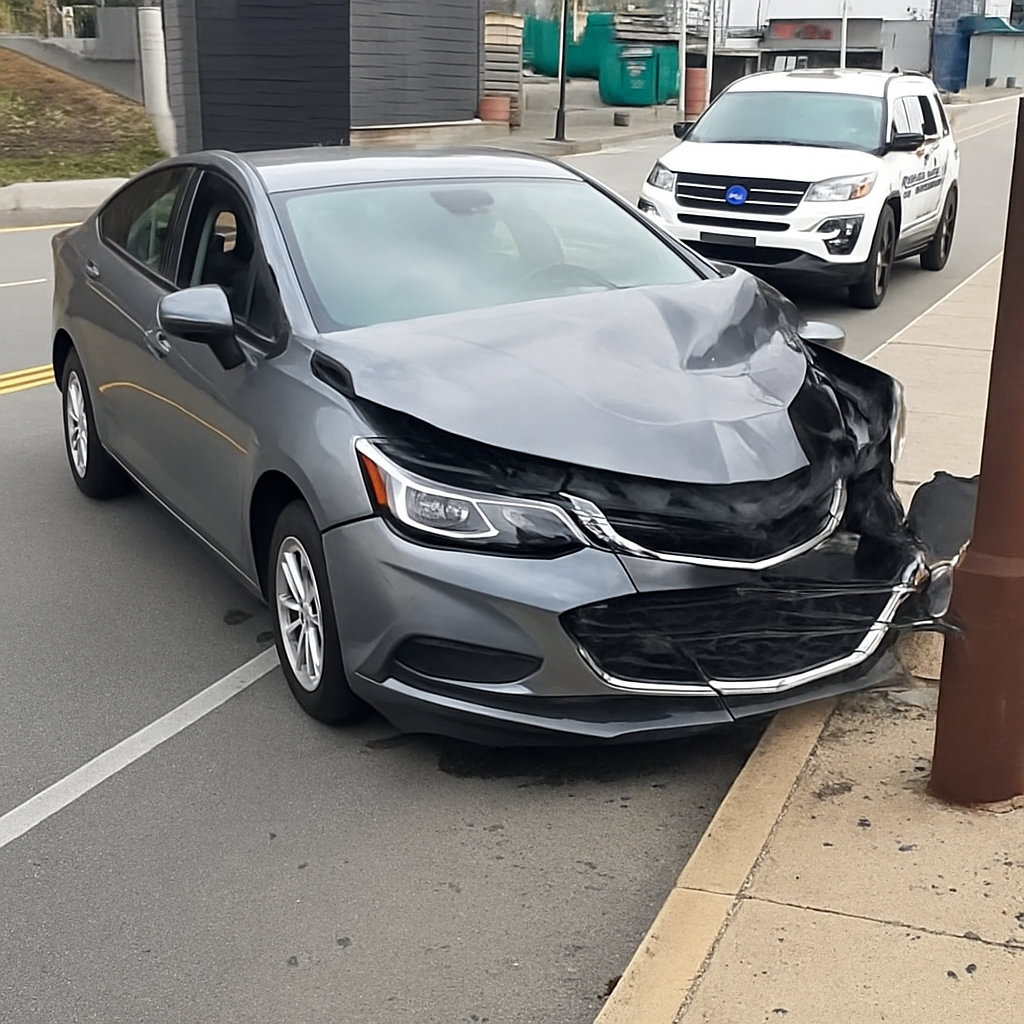
Illinois treats hit and run as a Class A misdemeanor or felony depending on injury severity, triggering mandatory SR-22 filing, license suspension, and rate increases that average 70-90% for three years. Here's what you'll pay and which carriers still write coverage.
How Illinois Classifies Hit and Run Convictions and What That Means for SR-22
Illinois law divides hit and run into four distinct offense levels under 625 ILCS 5/11-401 and 5/11-402: failure to report property damage only, failure to report with injury, failure to give information and render aid with injury, and aggravated leaving the scene involving death or great bodily harm. The first is a Class A misdemeanor. The latter three escalate to felonies. Each carries different criminal penalties, but all trigger the same insurance consequence: mandatory SR-22 filing and immediate license suspension until you comply.
The Illinois Secretary of State treats any hit and run conviction as a major violation requiring SR-22 filing for three years minimum. Your filing period starts the day the Secretary of State receives your SR-22 certificate from your insurer — not the day of your conviction or the day you purchase coverage. If your license was suspended due to the conviction, you cannot reinstate until you pay the $70 suspension lift fee, complete any court-ordered requirements, and maintain continuous SR-22 coverage without lapses. Any lapse in coverage restarts the three-year clock.
Most insurers do not differentiate between the four statutory levels when underwriting your policy. You will be flagged as a major violation regardless of whether you left the scene of a fender bender or a serious injury crash. This means you may be paying the same rate increase as someone with a felony hit and run conviction even if yours was property-only. Fewer than 15% of standard carriers distinguish between misdemeanor and felony hit and run when calculating premiums, and those that do typically require manual underwriting review. Illinois SR-22 insurance requirements
What You'll Pay for SR-22 Insurance After a Hit and Run in Illinois
The SR-22 certificate itself costs between $25 and $50 to file in Illinois, depending on your insurer. This is a one-time processing fee, though you'll pay it again if you switch carriers or let your policy lapse and need to refile. The real cost is the rate increase applied to your underlying auto insurance policy. Illinois drivers with a hit and run conviction see average premium increases between 70% and 90% compared to their pre-conviction rate, with some carriers more than doubling premiums.
If you were paying $1,200 annually before the conviction, expect to pay $2,040 to $2,280 annually with the same carrier — assuming they choose to renew you. Many standard carriers including State Farm, Allstate, and Country Financial non-renew Illinois policyholders after a hit and run conviction, forcing drivers into the non-standard market where rates climb higher. Non-standard carriers like The General, Acceptance, Bristol West, and Dairyland specialize in SR-22 filings and major violations but charge 20-40% more than standard market SR-22 policies.
Your total three-year cost for SR-22 insurance in Illinois after a hit and run conviction typically ranges from $6,000 to $8,500, including filing fees, premium increases, and the $70 license reinstatement fee. This assumes no lapses and no additional violations during the filing period. A single lapse — even one day — triggers a new suspension, requires a new $70 reinstatement fee, and restarts your three-year SR-22 clock from zero.
Which Carriers Write SR-22 Policies for Hit and Run Convictions in Illinois
Standard carriers treat hit and run convictions as immediate non-renewal triggers in most cases. If you're currently insured with a major carrier and receive a hit and run conviction, you'll likely receive a non-renewal notice at your next policy term. Some captive agents for State Farm or Country Financial may write SR-22 policies for existing customers with long claim-free histories, but this is discretionary and rare. Do not assume your current carrier will keep you.
Non-standard carriers dominate the Illinois SR-22 market for drivers with hit and run convictions. The General, Bristol West, Acceptance Insurance, and Dairyland all write SR-22 policies in Illinois and specialize in major violations. National General and Kemper also write SR-22 but tend to be 10-15% more expensive than The General or Bristol West for the same coverage limits. Progressive writes some SR-22policies in Illinois but typically declines applications involving felony convictions or incidents with injury.
You should quote at least three non-standard carriers before selecting a policy. Rate variation for the same driver profile with a hit and run conviction can exceed 30% between carriers. The General may quote you $210/month while Acceptance quotes $155/month for identical liability limits. This difference compounds over three years into thousands of dollars. Use a broker or aggregator that specializes in high-risk placements rather than calling individual carriers — most non-standard insurers do not sell direct and require agent appointments. non-standard auto insurance
License Suspension and Reinstatement Requirements in Illinois
The Illinois Secretary of State suspends your driving privileges immediately upon receiving notice of a hit and run conviction from the court. This is a mandatory suspension under 625 ILCS 5/6-206. The suspension remains in effect until you file proof of financial responsibility — an SR-22 certificate — pay the $70 suspension lift fee, and meet any additional court-ordered conditions such as restitution or community service completion.
You cannot reinstate your license until the Secretary of State receives your SR-22 certificate electronically from your insurer. Paper filings are no longer accepted. Most insurers transmit SR-22 certificates to the state within 24 to 48 hours of policy purchase, but you should confirm electronic filing with your agent before assuming your suspension is lifted. After the SR-22 is on file and your reinstatement fee is paid, the Secretary of State processes reinstatement within 5 to 10 business days.
If your hit and run conviction involved alcohol or drugs, you may face additional requirements beyond SR-22 filing. Illinois may mandate a drug and alcohol assessment, completion of a Risk Education course, or attendance at a Secretary of State hearing before reinstatement is approved. These requirements are separate from and in addition to your SR-22 obligation. Drivers who fled the scene after a DUI-involved crash typically serve a minimum one-year revocation before eligibility for a Restricted Driving Permit, and full reinstatement may require formal hearing approval.
How Long the Conviction Stays on Your Record and Affects Rates
A hit and run conviction remains on your Illinois driving record for four to seven years depending on the classification. Misdemeanor property-only convictions typically remain visible for four to five years. Felony convictions involving injury or death remain on your abstract for seven years or longer. The conviction stays on your criminal record permanently unless expunged, but insurers base their underwriting decisions on your motor vehicle record, not your criminal history.
Your SR-22 filing requirement lasts three years from the date the Secretary of State receives your certificate, assuming no lapses. Once you complete the three-year period without lapses, your insurer will file an SR-26 form notifying the state that the requirement is satisfied. You are no longer legally required to carry SR-22 after that point. However, the conviction itself remains on your driving record beyond the SR-22 period, meaning insurers will continue to apply a surcharge — though typically reduced — for one to four additional years.
Most Illinois insurers reduce the rate surcharge for a hit and run conviction after the SR-22 filing period ends. Expect your premium to drop 20-30% once the SR-22 requirement is satisfied, even though the conviction is still visible. After the conviction falls off your record entirely — usually four to seven years from the conviction date — you can re-enter the standard insurance market and see premiums return to near-normal levels, assuming no additional violations. The total rate impact timeline for a hit and run conviction in Illinois is typically five to eight years from conviction to full rate recovery.
What You Can Do to Lower Your Rate During the SR-22 Period
Shopping carriers every six months is the single highest-impact action you can take during your SR-22 filing period. Non-standard insurers re-evaluate risk annually, and a carrier that quoted you $220/month at inception may quote you $175/month after 12 months of claims-free driving. You can switch SR-22 carriers mid-filing period without restarting the clock as long as there is no gap in coverage. Notify your new insurer that you need continuous SR-22 filing and confirm they will file the certificate before you cancel your existing policy.
Increasing your deductible to $1,000 or $2,500 can reduce your premium by 10-20% with most non-standard carriers. This strategy only works if you carry comprehensive and collision coverage, which is not required by Illinois law if you own your vehicle outright. If you're financing or leasing, your lender requires full coverage and you cannot drop comp/collision. If you own the vehicle free and clear, consider dropping physical damage coverage entirely and carrying only the state-minimum liability limits plus SR-22 filing. This reduces your premium to the lowest possible level but leaves you financially exposed if you total your vehicle.
Some Illinois insurers offer modest discounts for completing a defensive driving course even after a major violation. The discount is typically 5-10% and only applies for one to three years, but it stacks with other reductions. Not all non-standard carriers honor defensive driving discounts — ask before enrolling. Bundling policies, setting up autopay, and going paperless can shave another 3-8% off your premium depending on the carrier. These are small adjustments, but over a three-year SR-22 period they compound into meaningful savings.