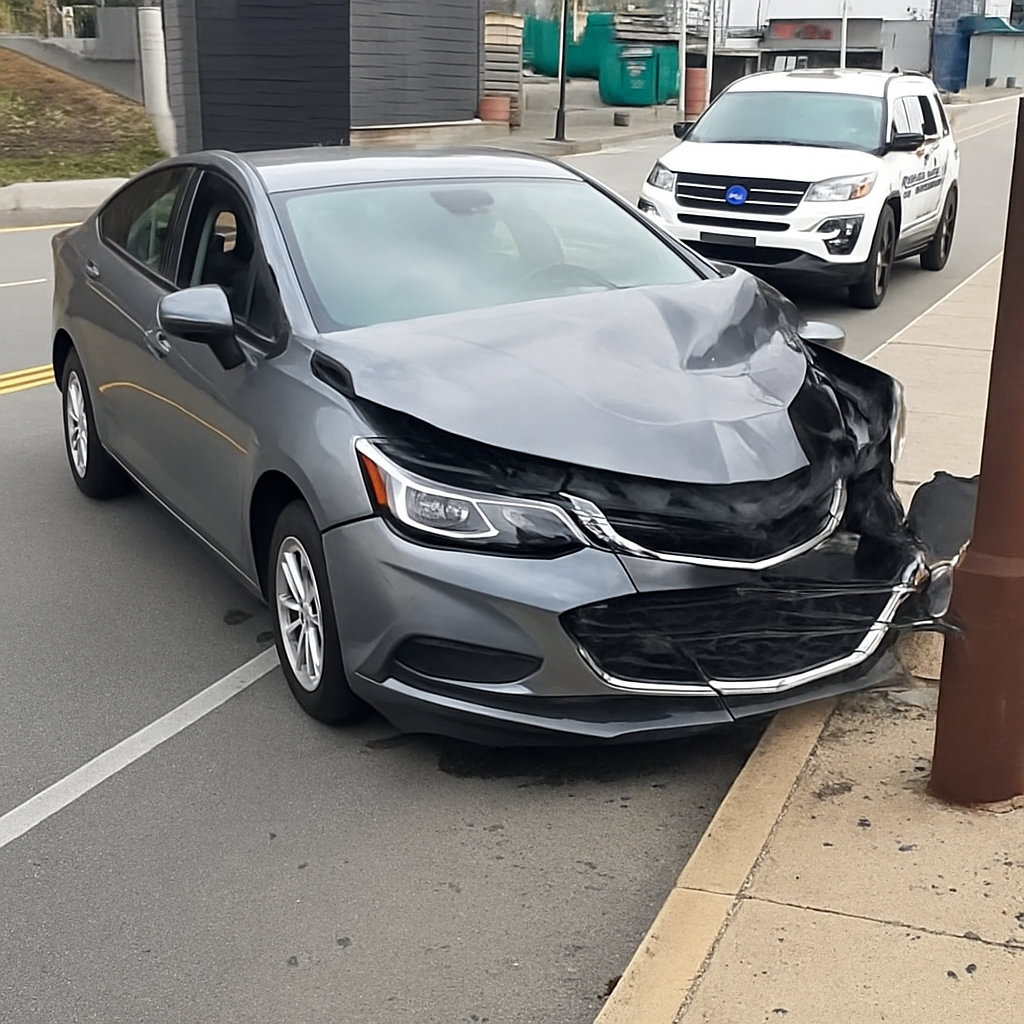
A hit and run conviction in Maine typically triggers a 3-year SR-22 filing requirement and license suspension until you prove coverage. Rates rise 70–140%, and not all carriers will write you — but specialized non-standard insurers will.
How a Hit and Run Conviction Affects Your Maine Driver's License
A hit and run conviction in Maine results in immediate license suspension under Maine's financial responsibility laws. The Maine Bureau of Motor Vehicles (BMV) suspends your license until you file proof of insurance — an SR-22 certificate — and maintain it for three years. This is not a discretionary penalty. Whether you left the scene of a property damage accident or an injury accident, the suspension takes effect as soon as the BMV receives notice of your conviction.
The suspension remains in place until you complete three steps: pay a reinstatement fee of $50, file an SR-22 certificate with the BMV, and maintain continuous coverage for the entire three-year filing period. If your SR-22 lapses at any point — even one day — your insurer notifies the BMV, and your license is suspended again immediately. You'll need to restart the filing process and pay another reinstatement fee.
Maine does not assign a specific point value to hit and run violations in its demerit point system because the offense is handled through mandatory SR-22 filing rather than points. However, the conviction remains on your driving record for six years under Maine law, which means insurers will see it and price accordingly for the full six-year period even after your SR-22 filing requirement ends at year three. Maine SR-22 requirements
What SR-22 Filing Means After a Hit and Run in Maine
An SR-22 is not insurance — it's a certificate your insurer files electronically with the Maine BMV confirming you carry at least the state minimum liability coverage: $50,000 bodily injury per person, $100,000 per accident, and $25,000 property damage. Most non-standard insurers charge a one-time filing fee of $25 to $50 to submit the SR-22 on your behalf. The filing itself is simple; the challenge is finding a carrier willing to insure you and file it.
Not all insurers offer SR-22 filing. Many standard carriers — GEICO, Progressive's standard lines, State Farm in some cases — will non-renew your policy after a hit and run conviction, leaving you to secure coverage from a non-standard or high-risk insurer. Carriers that commonly write SR-22 policies in Maine include The General, Bristol West, Dairyland, and National General. These insurers specialize in non-standard risk and expect to file SR-22 certificates.
Your SR-22 requirement lasts three years from the date the BMV receives your filing. That clock does not start until you file. If you wait six months after your conviction to secure coverage and submit the SR-22, your filing requirement still runs three full years from that submission date — not from your conviction date. This is why speed matters: every day without an SR-22 on file is another day your license remains suspended. SR-22 insurance coverage
How Much Your Rates Will Increase After a Hit and Run
A hit and run conviction typically raises your insurance premiums by 70% to 140% in Maine, depending on your carrier, driving history, and location. If you were paying $1,200 per year before the conviction, expect to pay $2,040 to $2,880 annually with a non-standard insurer filing SR-22. These increases reflect both the severity of the offense and the limited carrier market willing to write your policy.
Non-standard insurers charge higher base rates because they accept drivers standard carriers decline. This is not price gouging — it's actuarial reality. Drivers with hit and run convictions statistically file more claims, and insurers price accordingly. Your rate will remain elevated for the full six years the conviction stays on your Maine driving record, with the steepest increases in years one through three when the SR-22 filing is active.
Some drivers can reduce costs by increasing their deductible, dropping collision and comprehensive coverage on older vehicles, or bundling policies if the non-standard carrier offers renters or other lines. Shopping multiple non-standard carriers is essential — quotes for the same driver with identical coverage can vary by $500 to $1,000 annually depending on the insurer's risk appetite and rate structure in Maine.
Which Carriers Write Hit and Run Drivers in Maine
After a hit and run conviction, you'll need to target non-standard or high-risk insurers. Standard carriers typically non-renew policies after convictions involving leaving the scene of an accident. Non-standard carriers that actively write Maine drivers with SR-22 requirements include The General, Bristol West, Dairyland, Acceptance Insurance, and National General. These insurers expect to file SR-22 certificates and price their policies accordingly.
Some regional carriers in Maine may also write non-standard policies, but availability varies by ZIP code and underwriting appetite. You may need to work with an independent insurance agent who has access to multiple non-standard markets. Captive agents — those who represent a single carrier like State Farm or Allstate — typically cannot help you once your standard carrier non-renews your policy.
Do not delay shopping for coverage. The longer you wait after your conviction, the longer your license stays suspended. Start contacting non-standard carriers or independent agents as soon as you know you'll need SR-22 filing. Some insurers can bind coverage and file your SR-22 the same day, which means you can start the reinstatement process immediately rather than waiting weeks for quotes. non-standard auto insurance
Reinstating Your Maine License After SR-22 Filing
Once you secure a policy from a non-standard carrier, they file your SR-22 electronically with the Maine BMV. The BMV typically processes the filing within 3 to 5 business days. After your SR-22 is on file, you must pay the $50 reinstatement fee online, by mail, or in person at a BMV branch office. Only after both the SR-22 filing is confirmed and the fee is paid will the BMV lift your suspension.
You can check the status of your SR-22 filing and suspension by calling the Maine BMV at (207) 624-9000 or visiting their online driver record portal. Do not assume your license is reinstated until you receive confirmation from the BMV. Driving on a suspended license in Maine is a Class E crime punishable by up to six months in jail and fines up to $1,000, and it will extend your SR-22 requirement.
Maintaining continuous coverage for the full three years is critical. If you miss a payment, your insurer cancels your policy, or you switch carriers without ensuring the new carrier files a replacement SR-22 before the old one is canceled, the BMV will suspend your license again immediately. Set up automatic payments, monitor your policy renewal dates closely, and notify your insurer in advance if you plan to switch carriers so they can coordinate the SR-22 transfer without a gap.
What Happens If Your SR-22 Lapses in Maine
If your SR-22 filing lapses — because you missed a premium payment, your policy was canceled for non-payment, or you switched insurers without filing a new SR-22 first — your insurer is required by law to notify the Maine BMV immediately. The BMV suspends your license the same day they receive the lapse notice. There is no grace period.
To reinstate after a lapse, you must secure a new policy with SR-22 filing, pay another $50 reinstatement fee, and restart the three-year SR-22 clock from the date of the new filing. This means a single lapse can add years to your total filing requirement. If you lapse two years into your three-year requirement, you do not pick up where you left off — you start over with a new three-year period.
Some non-standard carriers offer payment plans or grace periods for late payments before canceling your policy, but these vary by insurer. If you're struggling to afford your premium, contact your insurer immediately to discuss payment options rather than letting the policy lapse. A lapse costs far more in reinstatement fees, extended SR-22 filing periods, and additional rate increases than negotiating a payment arrangement.
How Long the Conviction Stays on Your Record
A hit and run conviction remains on your Maine driving record for six years from the date of conviction, not the date of the offense. Insurers can see the conviction and factor it into your rates for the entire six-year period. Your SR-22 filing requirement ends after three years, but the conviction itself does not disappear from your record at that point.
After year three, you'll no longer need to maintain SR-22 filing, which may open access to additional carriers and slightly lower rates. However, most insurers will still classify you as a higher-risk driver until the conviction falls off your record entirely at year six. Rate decreases are gradual: expect the steepest premiums in years one through three, moderate reductions in years four and five, and a return to near-standard rates only after year six once the conviction is no longer visible to insurers.
Maine does not offer expungement or early removal of hit and run convictions from driving records. The six-year reporting period is fixed by state law. Defensive driving courses, clean driving during the SR-22 period, and maintaining continuous coverage can help demonstrate responsibility to insurers, but they will not remove the conviction from your record or shorten the six-year timeline.