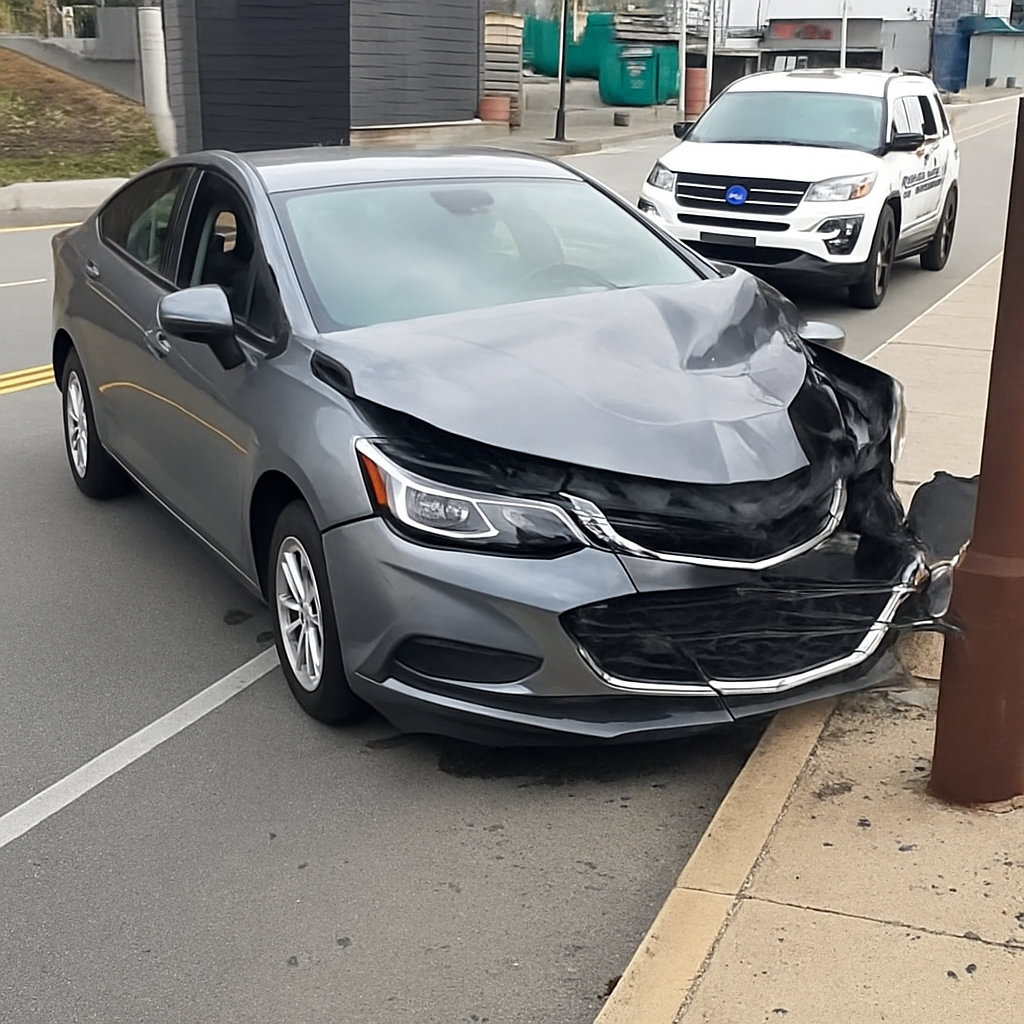
A hit and run conviction in Michigan moves you into mandatory SR-22 territory with a minimum 2-year filing requirement, automatic license suspension, and rate increases averaging 80–120%. Here's what you'll pay and which carriers will still write you.
How Michigan Classifies Hit and Run and What It Triggers
Michigan assigns six points to a hit and run conviction under MCL 257.617, placing it in the same tier as reckless driving and fleeing/eluding. Six points is the threshold that triggers both mandatory driver responsibility fees (if the violation occurred before October 2018) and automatic review by the Michigan Secretary of State for possible suspension. More importantly for insurance purposes, hit and run is classified as a major violation that requires SR-22 filing for two years minimum.
The conviction triggers an automatic license suspension ranging from 30 days to one year depending on whether the incident involved property damage only or injury. During suspension, you cannot legally drive, which means your SR-22 filing period does not begin. The two-year SR-22 clock starts only after your license is reinstated, not from the date of conviction. This timing gap is critical: if you're suspended for six months, your total time under SR-22oversight is actually two and a half years from conviction date.
Michigan law requires continuous SR-22 coverage with no lapses. If your policy cancels or lapses for any reason during the filing period, your insurer must notify the state within 15 days, which triggers an immediate suspension. You'll need to file a new SR-22 and pay reinstatement fees again to get your license back. Michigan SR-22 requirements
Rate Increases After Hit and Run in Michigan
Hit and run convictions typically increase Michigan auto insurance premiums by 80–120% compared to your pre-conviction rate. If you were paying $2,400 annually before the conviction, expect to pay $4,300–5,300 after, or roughly $360–440 per month. The increase combines three factors: the six-point violation itself, the SR-22 filing requirement, and the reclassification into the non-standard or high-risk insurance market.
Michigan's unique no-fault system and unlimited personal injury protection (PIP) requirements already make it one of the most expensive states for auto insurance. A hit and run conviction compounds this by limiting your carrier options to those willing to write non-standard policies. Most standard carriers — State Farm, Allstate, Progressive's preferred tier — will non-renew your policy after a hit and run conviction. You'll be shopping among non-standard specialists like Acceptance, Direct Auto, or The General, where base rates start higher even before the violation surcharge.
The SR-22 filing itself adds $20–50 to your policy cost, but this is negligible compared to the underlying rate increase from the conviction. The real driver of cost is the six-point hit and the shift to non-standard underwriting. Rates begin to normalize after three years if you maintain continuous coverage and avoid additional violations, but the conviction remains on your Michigan driving record for seven years. non-standard auto insurance
SR-22 Filing Requirements and Reinstatement Process
Michigan requires SR-22 filing (officially called a Certificate of Financial Responsibility) for a minimum of two years following hit and run convictions. Your insurer files the SR-22 electronically with the Michigan Secretary of State, confirming you carry at least the state minimum liability coverage: $50,000 bodily injury per person, $100,000 bodily injury per accident, and $10,000 property damage. These minimums apply only to the liability portion; Michigan still requires no-fault PIP and property protection (PPI) coverage regardless of SR-22 status.
Before you can file an SR-22, you must complete your suspension period and pay reinstatement fees to the Secretary of State. Michigan charges $125 for license reinstatement after most suspensions. If your hit and run involved injury or your record shows multiple prior violations, you may also be required to attend a driver assessment reexamination hearing before reinstatement is approved. Only after reinstatement can you purchase an SR-22 policy and begin the two-year filing clock.
If your SR-22 policy lapses at any point during the required filing period, the state suspends your license again immediately. You'll pay another $125 reinstatement fee and restart the two-year SR-22 requirement from zero. This reset penalty makes continuous coverage essential. Set up automatic payments and confirm your carrier will notify you at least 30 days before any cancellation or non-renewal. SR-22 insurance
Which Carriers Write SR-22 After Hit and Run in Michigan
Most drivers with a hit and run conviction will need to shop among non-standard carriers that specialize in high-risk policies. Progressive, Acceptance, Direct Auto, The General, and Dairyland all write SR-22 policies in Michigan and maintain active non-standard underwriting programs. National General and Gainsco also write this market but availability varies by county and underwriting tier.
Progressive is often the first stop because they operate both standard and non-standard tiers under the same brand, which means you may be able to stay with them if you were already a customer, though you'll be moved to their non-standard pricing. Acceptance and Direct Auto are regional specialists with physical storefronts in Michigan and often quote lower than national brands for drivers with major violations. The General and Dairyland are backup options if first-tier non-standard carriers decline or quote prohibitively high.
Captive agents for State Farm, Allstate, and Farmers will typically not quote SR-22 policies after a hit and run conviction — you'll need to work with independent agents who can access multiple non-standard markets. Michigan also has a state-assigned risk plan (the Michigan Automobile Insurance Placement Facility) that serves as a last-resort option if no carrier will voluntarily write you, though rates through the facility are the highest in the market. Shop at least three non-standard carriers before accepting a quote; rate spreads for the same driver with the same conviction can vary by 40% or more depending on underwriting model and capacity.
What Happens After the SR-22 Filing Period Ends
Once you've maintained continuous SR-22 coverage for two years with no lapses and no new violations, the SR-22 requirement terminates automatically. Your insurer will stop filing the certificate with the state, but this does not mean your rates immediately return to pre-conviction levels. The hit and run conviction remains on your Michigan driving record for seven years and continues to affect your insurance rates, though the impact diminishes over time.
Most carriers reduce surcharges for major violations on a sliding scale: 100% of the surcharge for the first three years, 50% in years four and five, and 25% or less in years six and seven. By year three post-conviction, if you've maintained continuous coverage and added no new violations, you may be eligible to move back into standard-tier insurance with a different carrier. This is when you should shop aggressively — loyalty to the non-standard carrier that took you on after the conviction rarely pays off once you're eligible for better underwriting tiers.
After seven years, the hit and run conviction falls off your driving record entirely and is no longer visible to insurers during underwriting. At that point, assuming no other violations, you return to standard-risk pricing. This seven-year clock runs from the conviction date, not from the end of your SR-22 filing period, so the total time horizon for full rate recovery is fixed regardless of how long your suspension lasted.
How Michigan's Point System Compounds Hit and Run Impact
The six points from a hit and run conviction add to any other points already on your record, and Michigan uses total point accumulation as a trigger for additional penalties. If you accumulate 12 or more points within two years, the Secretary of State can suspend or restrict your license even if no single violation would independently trigger suspension. Four points in two years triggers a mandatory reexamination, and eight points triggers another review with possible restrictions.
Points from a hit and run conviction remain on your driving record for two years from the conviction date, not from the incident date. If you already had four points from a prior speeding ticket, the hit and run pushes you to ten points total, placing you one violation away from the 12-point suspension threshold. Even after your SR-22 period ends, accumulating additional points during the seven years the conviction remains on your record will compound both your insurance costs and your risk of further license action.
Michigan does allow point reduction through completion of an approved Basic Driver Improvement Course (BDIC), which removes up to two points from your record. However, this reduction applies only to point-based suspensions and does not affect insurance underwriting — carriers still see the underlying conviction regardless of whether points were reduced. The BDIC is most useful if you're near the 12-point threshold and need to avoid suspension, not as a tool for lowering insurance rates.