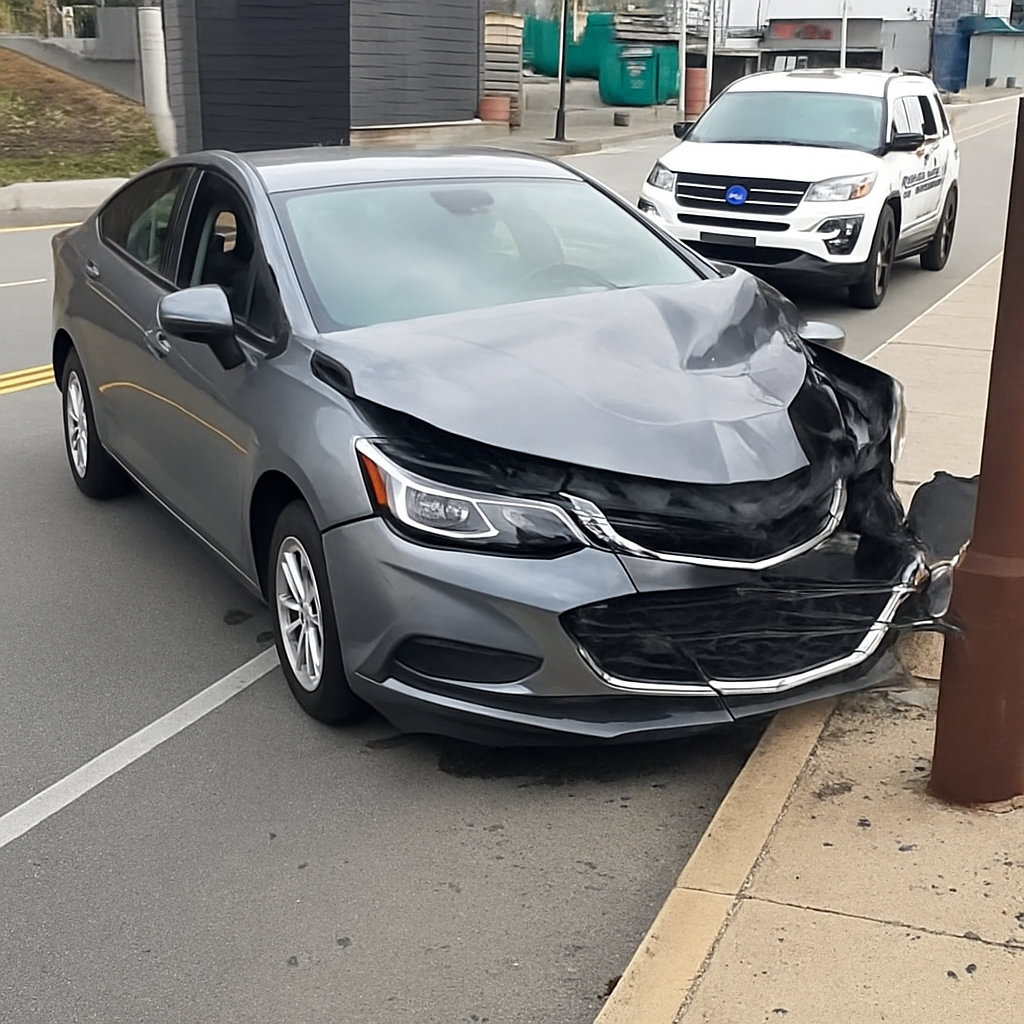
A hit and run conviction in Nevada adds 6 points to your license and typically increases your insurance rates by 80–140%. Here's what to expect from carriers and how long the rate impact lasts.
What a Hit and Run Conviction Does to Your Nevada Driving Record
A hit and run conviction in Nevada adds 6 points to your driving record, regardless of whether the incident involved property damage only or bodily injury. The Nevada DMV treats both misdemeanor and felony hit and run convictions identically for point assignment purposes, though the criminal penalties and insurance carrier responses differ significantly. If you accumulate 12 or more demerit points within 12 months, the Nevada DMV will suspend your license.
The 6-point penalty remains on your Nevada driving record for three years from the date of conviction. After three years, the points fall off automatically — you do not need to petition the DMV or take additional action. However, the conviction itself remains visible on your motor vehicle record for seven years, which means insurance carriers will continue to see it during underwriting even after the points have expired. This distinction matters because some carriers pull your full seven-year driving history while others focus primarily on the three-year point window.
Nevada does not require SR-22 filing for a hit and run conviction alone. SR-22 is mandated in Nevada only for DUI convictions, driving without insurance citations, license suspensions for certain violations, and at-fault accidents where you were uninsured. If your hit and run conviction triggers a license suspension for accumulating 12 points within 12 months, you may then be required to file SR-22 to reinstate your license — but the conviction itself does not automatically create an SR-22 requirement. Nevada's point system and insurance requirements liability insurance coverage
How Much Your Rates Will Increase After a Hit and Run in Nevada
Hit and run convictions typically trigger rate increases between 80% and 140% in Nevada, with the variance depending almost entirely on whether the incident involved bodily injury. Property-damage-only hit and run convictions — where you left the scene of a fender bender with no injuries — generally fall on the lower end of that range, with rate increases around 80–100%. If the hit and run involved bodily injury, carriers treat the violation similarly to a DUI or reckless driving charge, and rate increases frequently exceed 120%.
The severity distinction exists because carriers classify hit and run with injury as a catastrophic risk indicator — it suggests both poor judgment and a willingness to evade liability for serious harm. Even if criminal charges were reduced or pleaded down, the original police report and conviction record will show whether injuries were involved, and underwriters pull that detail during rating. If you were convicted of felony hit and run (which Nevada defines as leaving the scene of an accident causing death or substantial bodily harm), expect to be moved to the non-standard market entirely, with annual premiums often exceeding $3,000 for minimum liability coverage.
Your rate increase will also depend on your carrier's specific underwriting guidelines. Standard carriers like State Farm, Farmers, and Allstate typically non-renew policies after a hit and run conviction involving injury, forcing you into the non-standard market. If the hit and run was property-damage-only and you have no prior violations, some standard carriers may retain you with a surcharge rather than non-renew, though this is increasingly rare. Non-standard carriers like The General, Bristol West, and Acceptance Insurance specialize in high-point drivers and will write you a new policy, but their base rates start 60–80% higher than standard market premiums even before the hit and run surcharge is applied.
Which Carriers Will Still Insure You After a Hit and Run Conviction
Most standard-market carriers will non-renew your policy at the end of your current term if you're convicted of hit and run, particularly if the incident involved bodily injury or you have any prior violations. Non-renewal means they will not cancel your policy mid-term, but they will notify you 30–60 days before your renewal date that they will not offer you a new policy. This is not the same as a cancellation — you remain covered through the end of your paid term, which gives you time to shop for replacement coverage.
Non-standard carriers that actively write policies for drivers with hit and run convictions in Nevada include The General, Bristol West, Acceptance Insurance, Infinity, and National General. These carriers specialize in high-point and high-violation drivers and price their policies accordingly. Expect monthly premiums between $200 and $400 for minimum liability coverage (Nevada requires 25/50/20 limits) depending on your age, location, and vehicle type. Las Vegas and Reno drivers typically pay 15–25% more than rural Nevada residents due to higher claim frequency in urban areas.
If your hit and run conviction came with a license suspension, you will need to reinstate your license before any carrier will bind a new policy. Nevada requires you to pay all outstanding fines, complete any court-ordered restitution, and submit proof of insurance to the DMV before reinstatement. If the suspension was for accumulating 12 points, you may also need to complete a DMV-approved traffic safety course. Once your license is reinstated, you can shop for coverage immediately — non-standard carriers do not require a waiting period after reinstatement. non-standard auto insurance
How Long the Hit and Run Conviction Affects Your Insurance Rates
The 6-point penalty from your hit and run conviction will affect your insurance rates for three years from the date of conviction, which is how long the points remain on your Nevada driving record. After three years, the points fall off automatically and carriers can no longer factor them into your rating. However, the conviction itself remains visible on your motor vehicle record for seven years, and some carriers will continue to apply a surcharge or decline coverage based on the conviction even after the points have expired.
Most non-standard carriers focus primarily on the three-year point window and will begin reducing your surcharge once the points fall off. If you maintain a clean record for three years after the hit and run conviction — no additional tickets, accidents, or lapses in coverage — you can expect your rates to drop by 40–60% when the points expire. At the five-year mark, many standard carriers will reconsider you for coverage, particularly if the hit and run was property-damage-only and you have no other violations in the interim.
If your hit and run conviction involved bodily injury or was classified as a felony, expect the insurance impact to last closer to five to seven years. Carriers treat felony hit and run similarly to vehicular assault or DUI causing injury, and those violations trigger extended underwriting lookback periods. Even after the seven-year mark, when the conviction is no longer visible on your Nevada MVR, some carriers may still ask about prior convictions during the application process — lying on an insurance application is grounds for policy rescission, so answer truthfully and focus on demonstrating a clean record since the incident.
What You Can Do to Lower Your Rates After a Hit and Run Conviction
The single most effective action you can take after a hit and run conviction is to shop your policy with at least three non-standard carriers within 30 days of your non-renewal notice. Rate variation among non-standard carriers is extreme — the difference between the highest and lowest quote for the same driver with a hit and run conviction often exceeds $1,500 per year. Non-standard carriers use proprietary risk models and some weight prior violations less heavily than others, so the carrier that offers you the best rate may not be the one with the largest market share.
Completing a Nevada DMV-approved defensive driving course will not remove the 6 points from your record or reduce the conviction surcharge directly, but it can qualify you for a minor discount with some non-standard carriers and may help avoid a license suspension if you're close to the 12-point threshold. Nevada allows drivers to take a traffic safety course once every 12 months to mask up to 3 points for license suspension purposes, though the points still appear on your driving record and are still visible to insurance carriers. The course costs around $50–$70 and must be completed through a DMV-approved provider.
Maintaining continuous coverage without any lapses is critical after a hit and run conviction. A coverage lapse — even a single day — will trigger an additional surcharge or decline from most non-standard carriers, and some will not write you a new policy at all if you've had a lapse within the past six months. If you're struggling to afford your premium, reduce your coverage to Nevada's minimum required limits (25/50/20 liability) and drop comprehensive and collision coverage if your vehicle is paid off. Letting your policy lapse will cost you far more in the long run than carrying minimum coverage for a few years while your rates recover.