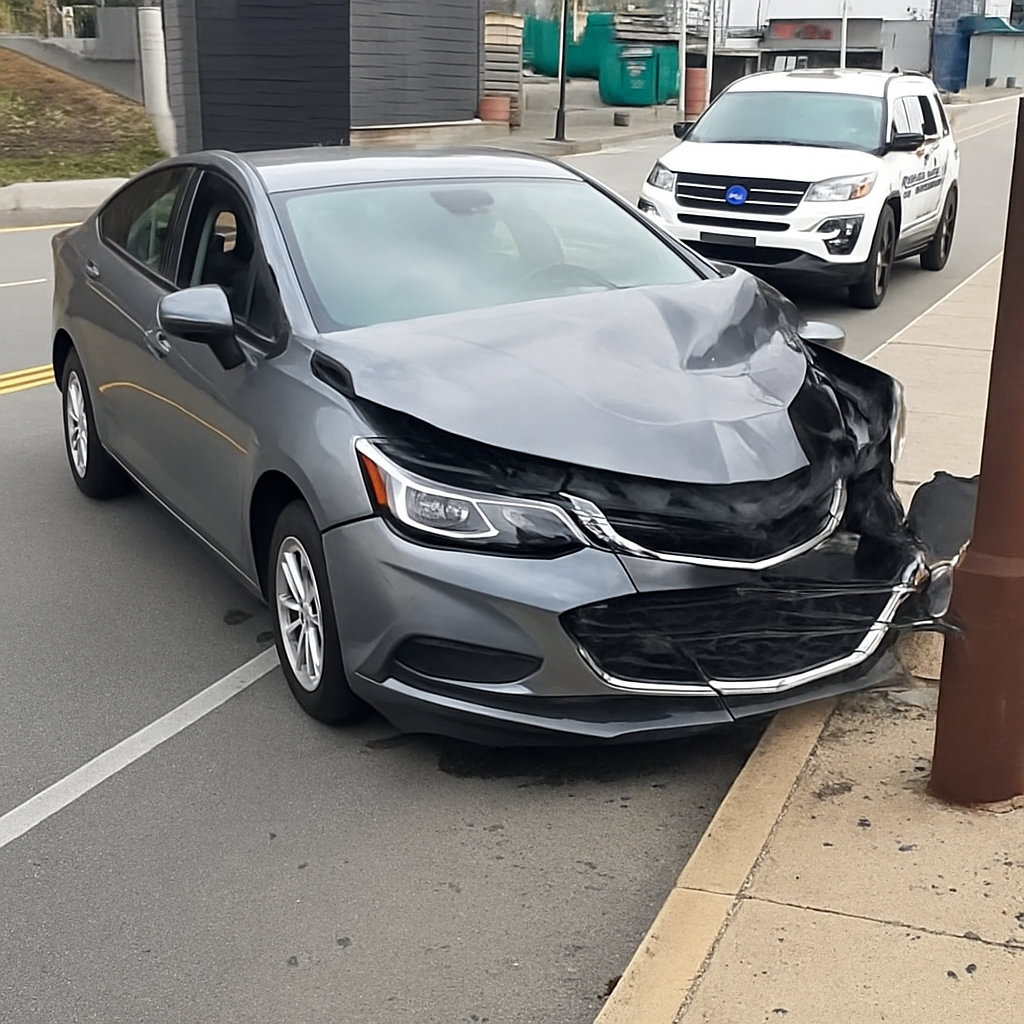
A hit and run conviction in South Carolina triggers both criminal penalties and insurance consequences that stack on top of each other. Here's what to expect from carriers, how long the premium impact lasts, and which coverage options remain available.
How South Carolina Classifies Hit and Run for Insurance Purposes
South Carolina assigns 6 points to your driving record for a hit and run conviction under the state's point system. That point total alone places you two points below the 8-point threshold that triggers a license suspension for drivers with otherwise clean records. The South Carolina Department of Motor Vehicles maintains these points on your record for two years from the conviction date, during which time they remain visible to insurance carriers and affect your premiums.
But the point assignment is only the first layer. Hit and run is prosecuted as a criminal offense in South Carolina — a misdemeanor for property damage only, and a felony if the incident involved injury or death. Insurance carriers underwrite criminal convictions separately from point violations, meaning your conviction appears in two places during the underwriting process: once as a 6-point major violation on your motor vehicle record, and again as a criminal conviction on background checks that carriers run for non-standard policies.
This dual classification explains why hit and run convictions produce steeper rate increases and narrower carrier options than most other 6-point violations. A standard reckless driving citation carries the same 6 points but lacks the criminal conviction component that flags you as a higher underwriting risk. Carriers view leaving the scene as an indicator of future claim behavior, not just driving skill, which is why the premium impact extends beyond what the point total alone would predict. South Carolina SR-22 requirements
SR-22 Filing Requirements After a Hit and Run Conviction
South Carolina does not automatically require SR-22 filing for a hit and run conviction. The SR-22 requirement is triggered by license suspension or revocation, not by the conviction itself. If your hit and run conviction results in a suspension — either because you accumulated 8 or more points within a 12-month period, or because the court suspended your license as part of sentencing — you will be required to file an SR-22 to reinstate your driving privileges.
The South Carolina DMV requires SR-22 filing for a minimum of three years following reinstatement. That filing period begins on the date your license is reinstated, not on the date of your conviction or suspension. If your SR-22 policy lapses at any point during the three-year period, your insurer is required to notify the DMV within 10 days, which triggers an immediate suspension until you file a new SR-22 and pay the reinstatement fee.
If your conviction did not result in a suspension, you will not need SR-22 filing. However, the 6 points and criminal conviction will still appear on your record and affect your rates. Many drivers with hit and run convictions assume they need SR-22 automatically — clarify your filing requirement with the South Carolina DMV before shopping for coverage, because SR-22 policies are priced differently and sold by a narrower group of carriers. SR-22 insurance
Rate Increases and Carrier Response to Hit and Run Convictions
A hit and run conviction typically triggers premium increases in the range of 80% to 150% for drivers previously insured at standard rates. The wide range reflects carrier-specific underwriting guidelines, your prior driving history, and whether your policy is standard or already non-standard at the time of conviction. Drivers who held preferred rates before the conviction generally see the steepest percentage increases, while drivers already in non-standard programs see smaller incremental jumps.
Most standard carriers will non-renew your policy at the end of your current term rather than renewing you at a surcharged rate. South Carolina law allows carriers to non-renew for any underwriting reason with 30 days' notice, and a hit and run conviction qualifies as a material underwriting change. Expect to receive a non-renewal notice within 60 to 90 days of your conviction appearing on your motor vehicle record. You will need to move to a non-standard carrier before your current policy expires to avoid a coverage lapse.
Carriers that specialize in high-risk and non-standard auto insurance in South Carolina include The General, Dairyland, Bristol West, and Progressive's non-standard division. These carriers price hit and run convictions aggressively but remain accessible where standard market carriers will not write you. If you require SR-22 filing, your carrier options narrow further — not all non-standard carriers offer SR-22 policies, so confirm filing capability before binding coverage.
How Long the Conviction Affects Your Insurance Rates
South Carolina removes the 6 points from your driving record two years after the conviction date. However, the conviction itself remains visible to insurers for five years under most carrier underwriting guidelines, even after the points fall off. This creates a two-stage rate recovery timeline: your points-based surcharge drops after two years, but the conviction-based surcharge persists until the five-year mark.
In practical terms, expect your rates to begin declining after the two-year point anniversary, but do not expect a return to standard rates until the conviction ages past five years. Drivers who maintain continuous coverage and avoid additional violations during the five-year period typically become eligible for standard market policies again after year five. A second violation during this window resets your underwriting profile and extends your time in the non-standard market.
If you are required to file SR-22, your three-year filing period runs independently of the conviction aging timeline. You may complete your SR-22 requirement before your conviction falls off your underwriting profile, or the conviction may age out before your filing period ends. Track both timelines separately — completing SR-22 does not remove the conviction from your record, and the conviction aging out does not end your SR-22 filing obligation if the three-year period has not elapsed.
Coverage Options and Policy Limits After a Conviction
South Carolina requires minimum liability coverage of 25/50/25: $25,000 per person for bodily injury, $50,000 per incident for bodily injury, and $25,000 for property damage. A hit and run conviction does not change these minimums, but it does affect the coverage types and limits non-standard carriers will offer. Most non-standard carriers restrict new policies to state minimum liability only, especially if you require SR-22 filing.
Comprehensive and collision coverage become more expensive and less widely available after a hit and run conviction. Carriers that do offer full coverage in the non-standard market typically require higher deductibles — often $1,000 or more — and apply separate surcharges to comp and collision premiums. If you financed your vehicle and your lender requires full coverage, expect to pay significantly more than your pre-conviction comp and collision costs.
Uninsured motorist coverage remains available and is often required by lenders even in non-standard policies. South Carolina does not mandate uninsured motorist coverage, but many drivers in the non-standard market carry it because the cost is relatively low compared to liability surcharges and it provides protection if you are hit by another uninsured driver. Review your lender requirements and your financial exposure before defaulting to state minimums — a second at-fault accident while carrying minimum limits can create out-of-pocket liability that exceeds the premium savings.
Steps to Take Immediately After Your Conviction
Contact your current insurer within 10 days of your conviction to confirm whether they will non-renew your policy and when your current term ends. If you receive a non-renewal notice, begin shopping for non-standard coverage immediately. A lapse in coverage — even a single day — will trigger an additional SR-22 filing requirement if you are later suspended, and it will further increase your premiums when you do find coverage.
If your license was suspended as part of your conviction or because you reached the 8-point threshold, contact the South Carolina DMV to confirm your reinstatement requirements before shopping for coverage. You will need to pay a reinstatement fee, complete any court-ordered programs, and file an SR-22 before your license is reinstated. Securing an SR-22 policy does not automatically reinstate your license — you must submit the SR-22 to the DMV and receive confirmation of reinstatement before you can legally drive.
Shop at least three non-standard carriers before binding a policy. Rate variation among non-standard carriers is significantly wider than in the standard market, and the lowest-cost carrier for one driver may not be the lowest for another. Use the quoting process to confirm SR-22 filing capability, coverage limits offered, and payment plan options — many non-standard carriers require higher down payments or restrict monthly payment plans for drivers with recent major convictions.
What South Carolina Does Not Require After a Hit and Run Conviction
South Carolina does not require completion of a defensive driving course to remove points from a hit and run conviction. The state's point reduction program is limited to minor violations and does not apply to major convictions like hit and run, DUI, or reckless driving. If a carrier or third-party vendor suggests a defensive driving course will remove your points, verify that claim with the South Carolina DMV before enrolling.
The state also does not require ignition interlock devices for hit and run convictions unless your conviction involved alcohol or drugs. Interlock requirements are tied to DUI offenses, not to hit and run, even if your hit and run occurred after drinking. If your hit and run was charged alongside a DUI, you may face interlock requirements under the DUI statute, but the hit and run conviction alone does not trigger that requirement.
Finally, South Carolina does not suspend vehicle registration automatically after a hit and run conviction. Your registration remains valid unless your license is suspended and you fail to maintain insurance. If you are suspended and your SR-22 lapses, the DMV may suspend your registration until you file a new SR-22 and reinstate your license, but the conviction itself does not affect your registration status.