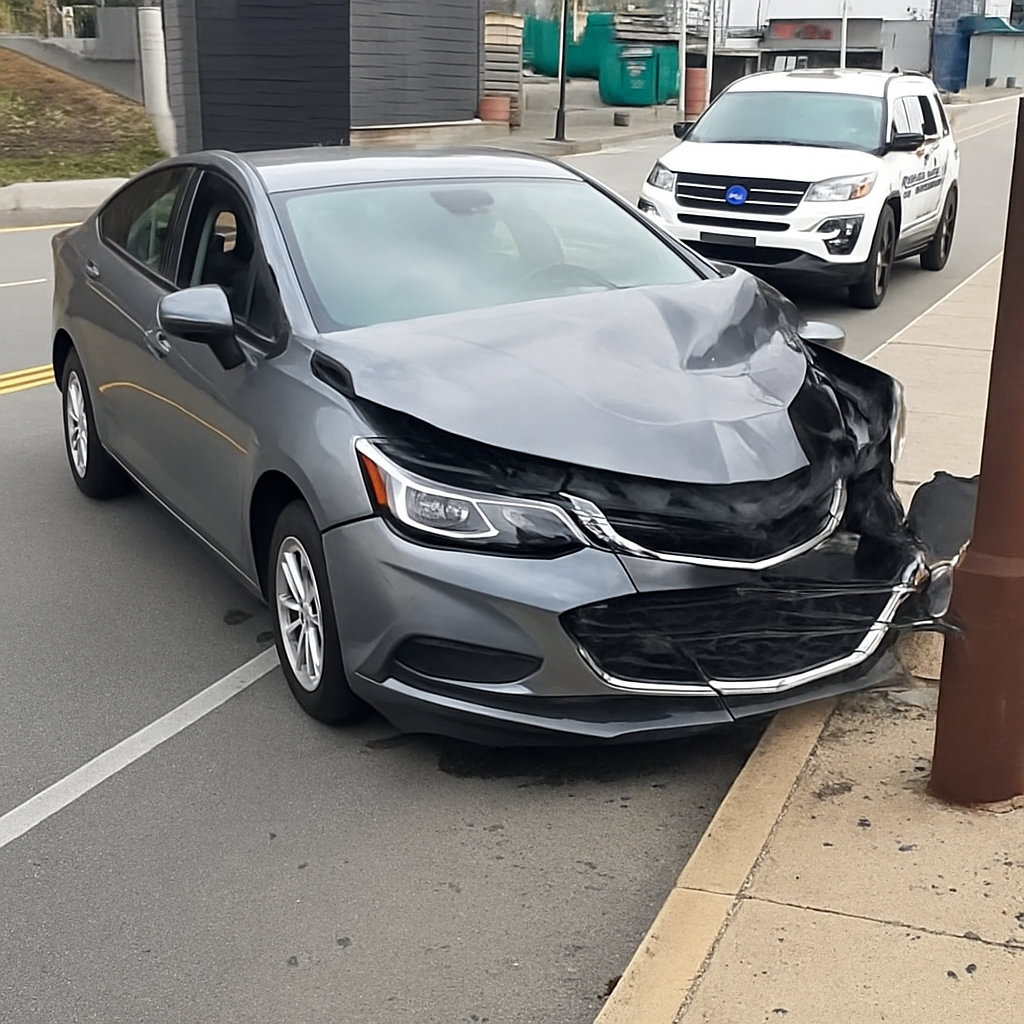
A hit and run conviction in South Dakota triggers a 3-year SR-22 filing requirement, 6 points on your license, and rate increases averaging 60–90%. Here's what happens to your coverage and how to find a carrier that will write you.
How Hit and Run Convictions Affect Your Driving Record in South Dakota
A hit and run conviction in South Dakota adds 6 points to your driving record, bringing you halfway to the 12-point threshold that triggers an automatic license suspension. Those 6 points stay on your record for 3 years from the conviction date, not the incident date. If you already have points from other violations — speeding tickets, following too closely, or an at-fault accident — you may be closer to suspension than you realize. The South Dakota Department of Public Safety tracks your point total and will notify you if you approach the threshold, but checking your own record through the state's online portal is the only way to know exactly where you stand before your insurer pulls it.
The conviction itself also remains visible on your driving abstract for 3 years minimum, and insurers price based on what they see in that lookback window. Even after points fall off, the conviction may still appear on background checks or motor vehicle reports for longer periods depending on how the violation was coded. This matters because some carriers distinguish between property damage hit and run (typically a misdemeanor) and injury-related hit and run (often a felony). If your conviction involved injury or left the scene of an accident with bodily harm, expect the record visibility period to extend beyond the standard 3-year point window.
South Dakota does not offer point reduction through defensive driving courses for hit and run convictions. Unlike speeding tickets or minor moving violations, hit and run is categorized as a major violation under state law, meaning the only path to clearing points is waiting out the full 3-year period. Your insurer will reprice your policy annually based on your current driving record, so the rate relief timeline follows the point removal schedule exactly — expect gradual rate decreases starting in year 4 after conviction.
SR-22 Filing Requirements After a Hit and Run in South Dakota
South Dakota law requires drivers convicted of hit and run to file an SR-22 certificate for 3 years following reinstatement of their driving privileges. The SR-22 is not insurance — it's a compliance document your insurer files with the South Dakota Department of Public Safety proving you carry at least the state's minimum liability coverage: $25,000 per person for bodily injury, $50,000 per accident for bodily injury, and $25,000 for property damage. If your license was suspended as part of your hit and run penalty, the 3-year SR-22 clock starts the day your license is reinstated, not the day of conviction. This distinction adds weeks or months to your total filing period if you delay reinstatement.
The SR-22 filing itself costs $25 to $50 as a one-time fee through most insurers, but the real cost is the policy premium increase. Carriers that offer SR-22 filings view the requirement as proof of high-risk status, and your rates will reflect that perception. Standard carriers like State Farm or Farmers may non-renew your policy after a hit and run conviction, forcing you into the non-standard or assigned risk market where premiums run 60–150% higher than your pre-conviction rate. Non-standard carriers specializing in SR-22 filings — including Progressive, The General, and Bristol West — price hit and run convictions aggressively but will write the policy and file the SR-22 without delay.
If your SR-22 lapses for any reason during the 3-year period — missed payment, policy cancellation, or switching carriers without continuous filing — the South Dakota Department of Public Safety will suspend your license immediately and restart your 3-year SR-22 requirement from the new reinstatement date. There is no grace period. Keeping continuous coverage with an SR-22 on file is the only way to avoid extending your filing timeline, and that means paying every premium on time and notifying your insurer before any policy changes. Most non-standard carriers offer monthly payment plans to reduce lapse risk, but expect electronic fund transfer or automatic payment requirements as a condition of coverage. South Dakota SR-22 insurance requirements
What Hit and Run Does to Your Insurance Rates in South Dakota
A hit and run conviction typically increases car insurance premiums by 60–90% in South Dakota, though the actual increase depends on your prior driving record, coverage limits, and which carrier accepts you. If you had a clean record before the conviction, expect increases toward the lower end of that range. If you already carried points or had a prior at-fault accident, some carriers will decline to renew entirely rather than price the compounded risk. Non-standard carriers that specialize in high-risk drivers will write you, but their base rates start higher than standard market rates even before applying the hit and run surcharge.
South Dakota does not cap how long insurers can surcharge your rates for a hit and run conviction, but most carriers apply the maximum surcharge for 3 years — matching the SR-22 filing period and point removal timeline — then reduce surcharges gradually in years 4 and 5. By year 6, most drivers with no additional violations return to near-standard rates, assuming they've maintained continuous coverage and switched back to a standard carrier. Shopping your policy annually starting in year 4 is critical, because the carrier that priced you as high-risk in year 1 may not reprice you competitively once your record improves. Non-standard carriers rarely reward loyalty with rate reductions — they expect you to leave once you qualify elsewhere.
The 6 points from your hit and run conviction also trigger separate point-based surcharges that stack on top of the conviction surcharge. South Dakota insurers use proprietary point schedules that assign premium increases based on total points on your record, not just the violation type. If you accumulate additional points from speeding tickets or other violations during your SR-22 period, each new point adds to your total surcharge. Keeping a completely clean record during the 3-year SR-22 window is the only way to minimize compounding rate increases and position yourself for standard market eligibility once your SR-22 filing ends.
Finding Coverage After a Hit and Run Conviction
Most standard carriers in South Dakota — including State Farm, Allstate, and Nationwide — will non-renew policies after a hit and run conviction or decline to file an SR-22 on your behalf. This forces you into the non-standard insurance market, where carriers specialize in high-risk drivers and SR-22 filings but charge significantly higher premiums. Progressive, The General, Bristol West, and Dairyland are the most accessible non-standard carriers operating in South Dakota that consistently write policies for drivers with hit and run convictions. Availability varies by county, so checking multiple carriers directly or through an independent agent is the fastest path to coverage.
Some drivers assume they need to accept the first quote they receive after a conviction, but non-standard carriers price hit and run violations inconsistently. One carrier may surcharge your premium 70% while another surcharges 110% for the identical violation and driving history. The difference between quotes can exceed $100 per month, making comparison shopping the highest-leverage action you can take to control costs. Independent agents who specialize in high-risk placements have access to multiple non-standard carriers and can submit your application to several simultaneously, saving you weeks of individual quoting.
If no non-standard carrier will write you — typically because you have multiple major violations or a suspended license — South Dakota does not operate a state assigned risk pool for auto insurance. Instead, you'll need to work with an agent to place coverage through the South Dakota Automobile Insurance Plan, which assigns your policy to a participating carrier at rates higher than the voluntary non-standard market. This is the insurer of absolute last resort and should only be pursued after exhausting non-standard carrier options. Once your SR-22 period ends and your driving record clears, transitioning back to a standard carrier requires active shopping — your assigned risk carrier will not reprice you competitively or release you automatically. non-standard auto insurance
License Reinstatement Steps After Hit and Run Suspension
If your hit and run conviction resulted in a license suspension — which is common if the conviction pushed you over the 12-point threshold or if the court ordered suspension as part of sentencing — you must complete South Dakota's reinstatement process before your SR-22 filing period begins. Reinstatement requires paying a $100 reinstatement fee to the South Dakota Department of Public Safety, submitting proof of SR-22 insurance coverage, and completing any court-ordered requirements such as restitution or community service. Your license remains suspended until all conditions are satisfied and the reinstatement fee is processed, which can take 5–10 business days after submission.
You cannot legally drive in South Dakota during suspension, even if you have an active insurance policy. Driving on a suspended license adds another violation to your record, compounds your SR-22 timeline, and creates grounds for policy cancellation by your insurer. If you need to drive for work or medical reasons, South Dakota offers restricted licenses in limited circumstances, but hit and run convictions typically do not qualify for restricted privileges during the initial suspension period. Plan for alternative transportation during suspension or risk extending your total penalty period by months or years.
Once reinstated, your 3-year SR-22 filing requirement starts immediately. Make sure your insurer has already filed the SR-22 with the state before you pay the reinstatement fee — filing takes 3–5 business days to process, and any gap between reinstatement and SR-22 proof on file will delay the process. Your insurer can confirm filing status by providing you with a copy of the filed SR-22 form, which includes the filing date and your policy number. Keep this document with your license, as law enforcement may request proof of SR-22 compliance during traffic stops in South Dakota.
Rate Recovery Timeline and Next Steps
Your insurance rates will remain elevated for at least 3 years after a hit and run conviction in South Dakota, matching the SR-22 filing and point removal period. Most drivers see gradual rate decreases starting in year 4, assuming no additional violations. By year 6, drivers with clean records post-conviction typically return to rates within 10–20% of pre-conviction levels, though this depends on switching back to a standard carrier and maintaining continuous coverage throughout the recovery period. The faster you transition out of the non-standard market, the faster your rates normalize.
The single most effective step you can take to accelerate rate recovery is shopping your policy annually starting in year 3 of your SR-22 period. Non-standard carriers that priced you immediately after conviction rarely reduce rates competitively as your record improves — they expect customer churn and price accordingly. Standard carriers begin considering drivers with 3-year-old hit and run convictions once the SR-22 filing ends, and their rates are typically 30–50% lower than non-standard carriers for the same coverage. Switching carriers the month your SR-22 requirement ends is the cleanest transition point, but some drivers qualify for standard market coverage 6–12 months earlier if they've maintained a spotless record during the SR-22 period.
Maintaining continuous coverage without lapses is non-negotiable during your SR-22 period and critical for rate recovery afterward. Even a single day of lapsed coverage resets your SR-22 timeline and creates a coverage gap that insurers surcharge separately from the hit and run conviction. Set up automatic payments, monitor your policy renewal dates, and confirm your insurer has filed your SR-22 renewal each year. Once your 3-year SR-22 period ends, request written confirmation from your insurer that the SR-22 has been terminated and filed with the state — this closes your compliance obligation and allows you to shop standard market carriers without SR-22 pricing.