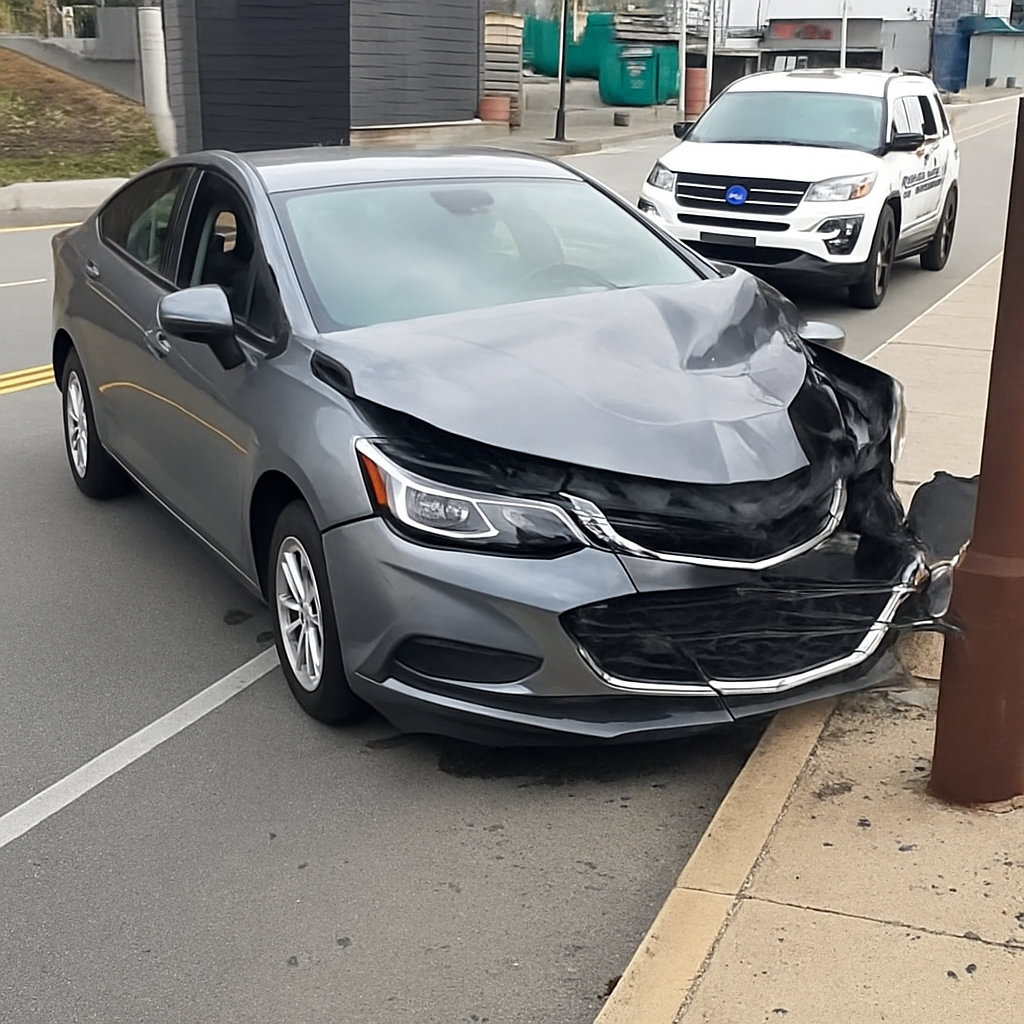
A hit and run conviction in Texas typically triggers a 50–80% rate increase and requires SR-22 filing for at least 3 years. Most non-standard carriers will still write you — but not all treat the conviction the same way.
How Texas Classifies Hit and Run for Insurance Purposes
Texas law categorizes leaving the scene of an accident under Transportation Code § 550.021 and § 550.022, depending on whether property damage or injury was involved. For insurance purposes, carriers treat this as a major moving violation with an at-fault accident component, not simply a collision claim. That dual classification drives the premium impact: you're penalized both for the underlying crash and for the conduct violation of fleeing the scene.
Most standard carriers add 50–80% to your base premium after a hit and run conviction, with the higher end applying when injury or significant property damage was involved. Non-standard carriers — those who specialize in drivers with violations — typically price hit and run closer to reckless driving or DUI, which means you're looking at premiums in the $200–$400/month range depending on your coverage limits and county.
The conviction also triggers a 3-point addition to your Texas driving record under the Department of Public Safety point system. Those points remain for three years from the conviction date, but your insurance rates will reflect the violation for at least five years, sometimes longer depending on how the carrier codes the incident in your underwriting file. Texas does not use a point-to-surcharge system anymore — the Driver Responsibility Program ended in 2019 — but the points still drive carrier pricing and license suspension risk if you accumulate additional violations.
SR-22 Filing Requirements After a Hit and Run in Texas
Texas requires SR-22 filing after a hit and run conviction if your license was suspended as a result of the incident. The most common trigger is a suspension under the Safety Responsibility Law (Chapter 601), which applies when you caused or contributed to an accident and either failed to maintain insurance at the time or left the scene. The Texas DPS mandates SR-22 for a minimum of 3 years, but that clock starts from your reinstatement date, not your conviction date.
If your license was suspended for six months and you waited four months to begin the reinstatement process, your SR-22 period starts when DPS reinstates you — not when the court convicted you. This timing issue is why many Texas drivers end up filing SR-22 for four or five years total without realizing the statutory requirement was only three. Your court order or DPS notice will specify the exact duration, and that document controls your filing period, not the general statute.
SR-22 itself is not insurance — it's a certificate your carrier files with DPS certifying you carry at least the state minimum liability coverage: $30,000 per person for bodily injury, $60,000 per accident, and $25,000 for property damage (30/60/25). The filing fee ranges from $15 to $50 depending on the carrier, and most non-standard insurers include it automatically when you disclose your hit and run conviction. If your SR-22 lapses for any reason — nonpayment, cancellation, switching carriers without overlap — DPS receives notice within 10 days and your license suspends again immediately. Texas SR-22 requirements SR-22 insurance
Which Carriers Write Hit and Run Convictions in Texas
Not all non-standard carriers treat hit and run the same way. Some underwrite it as a high-risk violation similar to DUI, while others price it closer to an at-fault accident with a conduct surcharge. Knowing which carriers are more favorable for leaving-the-scene violations gives you real leverage when shopping.
National General, Gainsco, and Acceptance typically write hit and run convictions in Texas without requiring additional underwriting review, though rates vary significantly by county and whether injury was involved. Gainsco tends to price competitively in urban counties like Harris, Dallas, and Bexar, while National General often offers better rates in suburban and rural areas. Acceptance is more selective — they'll write you, but expect higher premiums if the hit and run involved bodily injury or property damage above $5,000.
Progressive and Dairyland will also write hit and run cases, but both require SR-22 filing to be current before binding coverage, and both apply a major violation surcharge that persists for five years rather than three. If you're comparing quotes, make sure you're getting apples-to-apples duration on how long the surcharge applies — some carriers drop it after three years, others hold it for the full five-year underwriting window.
State Farm, Allstate, USAA, and most preferred carriers either decline hit and run convictions outright or offer renewal only if you were already insured with them before the incident. If you had State Farm before your conviction, they may non-renew you at your next policy term rather than cancel immediately, which gives you time to shop without a lapse. But if you're applying new, expect a declination from any preferred carrier. non-standard auto insurance
Rate Recovery Timeline and What Affects It
Your premium will not stay at its post-conviction peak indefinitely. Texas carriers re-rate your policy every six or twelve months, and the hit and run surcharge decreases over time as the violation ages. Most carriers apply the maximum surcharge for the first two years, then reduce it incrementally in years three through five.
Year one and two: expect 50–80% above your pre-conviction rate, assuming no additional violations. Year three: surcharge typically drops to 30–50% as the conviction moves past the two-year mark. Year four and five: surcharge reduces to 15–30%, and some carriers remove it entirely after year five. This recovery timeline assumes you maintain continuous coverage without lapses, pay on time, and avoid new violations during the lookback period.
Shopping your policy annually is the highest-leverage action you can take to accelerate rate recovery. Carriers weigh hit and run differently, and the gap between high and low quotes widens as your conviction ages. A carrier that priced you at $350/month in year one might drop you to $220 in year three, but a competitor might offer $180 for the same coverage once you're past the two-year mark. The savings compound if you switch at the right time.
Defensive driving courses do not remove the conviction or the points in Texas, but some carriers — Gainsco and National General in particular — offer a 5–10% discount if you complete a state-approved course within six months of your conviction. That discount applies to your base premium, not the surcharge, so the dollar impact is smaller than most drivers expect. It's worth doing if the course costs less than $100 and your carrier honors the discount, but it won't materially change your rate recovery trajectory.
Coverage Limits and Deductibles After a Hit and Run Conviction
Most non-standard carriers require you to carry at least state minimum liability (30/60/25) to write you with a hit and run conviction, and if SR-22 is required, that's the floor — you cannot carry less. But minimum limits leave you exposed if you cause another accident, and many drivers in this situation are already judgment-proof from the underlying hit and run incident.
If the crash you left involved significant property damage or injury, the other party may have already filed a civil suit or obtained a judgment against you. Texas allows plaintiffs to pursue damages beyond your policy limits, and a hit and run conviction strengthens their case for punitive damages. Carrying 50/100/50 or 100/300/100 limits costs more upfront — typically an additional $30–$60/month with a non-standard carrier — but it shields your assets if you're sued again or cause a subsequent accident before your conviction clears.
Collision and comprehensive coverage are optional in Texas unless you have a loan or lease, and most non-standard carriers either decline to offer them or price them prohibitively after a hit and run conviction. If you're driving an older vehicle worth less than $5,000, dropping collision saves $50–$100/month and makes sense financially. If you're driving a financed vehicle, expect your lender to require both coverages, and budget for a $1,000 deductible minimum — carriers rarely offer $500 deductibles to drivers with recent major violations.
Uninsured/underinsured motorist coverage (UM/UIM) is not required in Texas, but it's worth considering if you can afford it. Hit and run drivers are disproportionately uninsured, and if you're hit by another uninsured driver, UM coverage pays your medical bills and lost wages up to your policy limit. Non-standard carriers charge $15–$30/month for 30/60 UM coverage, which is reasonable given the risk profile of drivers on Texas roads with violations.
What to Do If You're Dropped or Non-Renewed
If your current carrier non-renews you after your hit and run conviction, you have options — but you need to act before your policy expires to avoid a lapse. A lapse adds another layer of risk to your profile and triggers an immediate SR-22 suspension notice if you're required to file.
Texas law requires carriers to give you 30 days' notice before non-renewal, which gives you a narrow window to shop and bind new coverage. Start shopping as soon as you receive the notice, not a week before expiration. Non-standard carriers can take 3–7 business days to process applications for drivers with hit and run convictions, especially if SR-22 filing is required, and you cannot afford a gap.
If no admitted carrier will write you, Texas offers the Texas Automobile Insurance Plan Association (TAIPA), which is the state's assigned risk pool. TAIPA guarantees coverage to any licensed driver who has been declined by at least two carriers, but premiums run 30–50% higher than the non-standard market. You apply through a participating agent — you cannot apply directly to TAIPA — and the program assigns you to a carrier who must issue a policy. TAIPA is a last resort, not a first call, but it exists if you've exhausted the voluntary market.
Once you secure new coverage, confirm your new carrier has filed your SR-22 with DPS before canceling your old policy. The safest approach is to overlap coverage by one day: bind the new policy effective the day before your old policy expires, verify the SR-22 filing with DPS online, then cancel the old policy. This eliminates any risk of a lapse showing up in the system.
How Long the Conviction Affects Your Record in Texas
The hit and run conviction remains on your Texas driving record for three years from the conviction date, and the 3 points associated with it fall off at the same time. But your insurance record is separate from your DPS record, and carriers can — and do — look back further than three years when underwriting your application.
Most non-standard carriers use a five-year lookback window for major violations, which means even after the conviction disappears from your DPS record, it may still appear on your CLUE report (Comprehensive Loss Underwriting Exchange) or MVR (motor vehicle report) pulled by insurers. Some carriers code hit and run as a chargeable at-fault accident rather than a moving violation, which extends the surcharge period because at-fault accidents typically carry a five-year rating window in Texas.
If you're applying for new coverage four years after your conviction and a carrier asks about violations in the past five years, you are still required to disclose the hit and run even if it no longer appears on your DPS record. Omitting it is material misrepresentation, which gives the carrier grounds to rescind your policy or deny a future claim. Honesty during the application process protects you — and most carriers at the four-year mark will write you at near-standard rates if you've had no additional violations.
After five years, the conviction's impact on your premiums drops to near zero with most carriers, and after seven years, it typically does not appear on standard MVR pulls at all. At that point, you're eligible to quote with preferred carriers again, assuming your record has been clean in the interim.