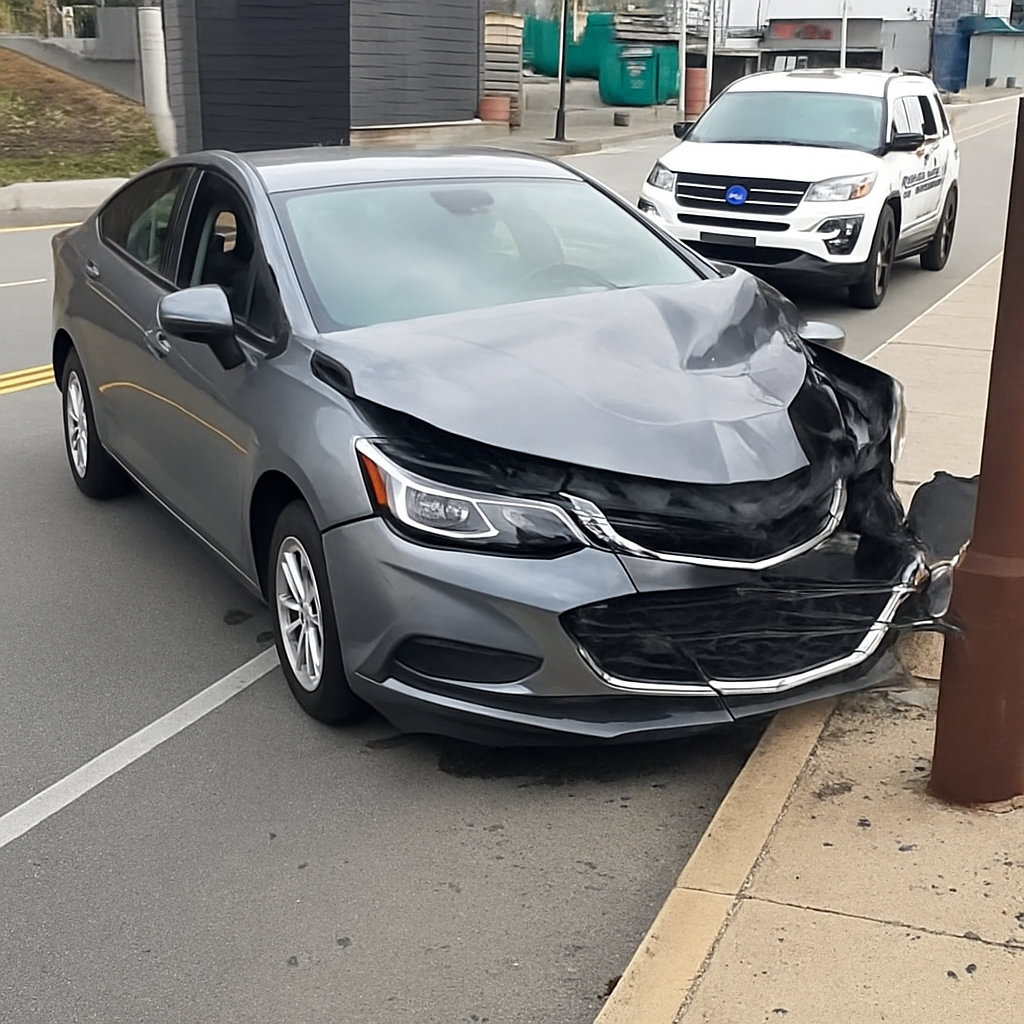
A hit and run conviction in Virginia adds 6 demerit points to your license and typically triggers a 50–80% rate increase. Here's what to expect from carriers and how long elevated rates last.
How Virginia's Point System Treats Hit and Run Convictions
A hit and run conviction under Virginia Code § 46.2-894 or § 46.2-896 assigns 6 demerit points to your driving record. Virginia's DMV assigns these points immediately upon conviction, and they remain on your record for 11 years for insurance rating purposes, though they stop counting toward license suspension after 2 years. The 6-point hit adds to any existing violations — if you're at 12 points within 12 months or 18 points within 24 months, you face a mandatory license suspension.
Virginia does not require SR-22 filing for a hit and run conviction alone. SR-22 is triggered only if your license is suspended as a result of accumulated points, a court order, or if you're convicted of driving uninsured. This means your insurance costs will increase significantly, but you're not automatically facing the SR-22 filing requirement that many drivers assume comes with a serious traffic conviction. If your insurer drops you after the conviction, you'll need to shop non-standard carriers, but the SR-22 requirement only enters the picture if the DMV suspends your license.
The DMV mails a notice if you're approaching suspension thresholds. If you receive that notice, completing a driver improvement clinic can remove 5 points — enough to drop you below the suspension line in many cases. The clinic must be court-approved and completed before the suspension takes effect. Once suspended, you'll need SR-22 to reinstate, which changes your cost structure entirely. Virginia SR-22 insurance requirements non-standard auto insurance
What Happens to Your Insurance Rates After a Hit and Run Conviction
Hit and run convictions trigger some of the steepest rate increases short of a DUI. Expect your premiums to rise 50–80% on average after the conviction appears on your motor vehicle report, which typically occurs within 30–60 days of your court date. Standard carriers like State Farm, GEICO, and Allstate will either non-renew your policy at the end of your term or surcharge you heavily enough that non-standard carriers become competitive.
Non-standard carriers that write Virginia drivers with major violations include The General, Direct Auto, Dairyland, and National General. These carriers price hit and run convictions more competitively than standard market surcharges, but you'll still see rates 40–70% higher than your pre-conviction baseline. Monthly premiums for minimum liability coverage (25/50/20 in Virginia) typically range from $180 to $280 per month for drivers with a hit and run conviction, compared to $90–$130 for clean-record drivers in the same age and ZIP code bands.
Your rate increase is not permanent. Virginia insurers look back 3–5 years when rating policies, meaning the conviction's impact on your premium diminishes after year three and disappears almost entirely after year five. If you avoid any new violations during that window, you can expect to return to standard market eligibility within 4–5 years. Shopping your policy every 6–12 months during this period is critical — carrier appetite for drivers with convictions changes frequently, and you may find a 20–30% savings by switching even within the non-standard market. how points affect insurance rates
Which Carriers Will Write You After a Hit and Run Conviction in Virginia
Standard carriers will generally non-renew your policy after a hit and run conviction, though some will allow you to stay on as a high-risk policyholder with steep surcharges. GEICO and Progressive occasionally retain drivers with a single 6-point violation if they have no other claims or violations in the prior 3 years, but expect a 60–90% surcharge. Most drivers are better off moving to a non-standard carrier immediately rather than waiting for non-renewal at the end of their term.
Non-standard carriers that actively write Virginia policies after hit and run convictions include The General, Direct Auto, Dairyland, National General, and Acceptance Insurance. These carriers specialize in drivers with major violations and price competitively for 6-point offenses. They also offer monthly payment plans without requiring large down payments, which matters if your budget is tight after legal costs. Some require proof of prior insurance to avoid triggering a lapse surcharge on top of the conviction surcharge.
If your license was suspended as a result of the conviction or accumulated points, you'll need an SR-22 filing to reinstate. In that case, your carrier pool narrows to those that file SR-22 in Virginia: Progressive, Dairyland, The General, and National General all offer SR-22 filing with non-standard policies. The SR-22 filing fee is $15–$50 depending on the carrier, and Virginia requires you to maintain it for 3 years from your reinstatement date. Missing a payment during that period triggers an automatic suspension, so most drivers opt for 6-month paid-in-full terms to avoid lapse risk.
How Long Hit and Run Points Affect Your Virginia Driving Record
Virginia's demerit point system assigns 6 points for a hit and run conviction, and those points remain on your record for 11 years for insurance rating purposes. However, the points stop counting toward license suspension thresholds after 2 years. This means the conviction will continue to increase your insurance premiums for up to 5 years depending on your carrier's lookback period, but it won't threaten your license status after the 2-year mark unless you accumulate new violations.
Insurance carriers in Virginia typically apply surcharges for major violations for 3–5 years. Most standard carriers use a 5-year lookback, while non-standard carriers often use a 3-year window. This means if you stay violation-free for 3 years after your hit and run conviction, you can begin shopping for standard market policies again and see your rates drop significantly. Some carriers will also offer accident forgiveness or violation forgiveness programs after you've been claim-free and violation-free for a set period, usually 3 years.
You can check your current point total and violation history through the Virginia DMV's online portal or by requesting a copy of your driving record. The transcript costs $9 and shows all convictions, points, and their assignment dates. If you're approaching the 3-year mark since your conviction, request a transcript before shopping for new coverage — some carriers will offer better rates once they see the conviction is aging off their underwriting window even if it's still technically on your record.
Steps to Take Immediately After a Hit and Run Conviction in Virginia
First, confirm whether your license has been suspended. Check your DMV notice or log into the Virginia DMV online portal to view your current license status and point total. If you're suspended, you'll need to complete the suspension period, pay a $145 reinstatement fee, and file an SR-22 before you can legally drive again. If you're not suspended, your next step is securing insurance before your current carrier non-renews you.
Start shopping for non-standard coverage immediately. Do not wait until your current policy expires — some carriers require proof of continuous coverage to avoid lapse surcharges, and a coverage gap after a hit and run conviction can double your quoted premium. Request quotes from at least three non-standard carriers and compare monthly costs, down payment requirements, and SR-22 filing capability if you anticipate needing it. If you're quoted over $300/month for minimum liability, you're likely being rated incorrectly or the carrier is not competitive for your violation type.
Consider completing a Virginia driver improvement clinic even if you're not required to. The 5-point credit won't erase the conviction, but it can offset other minor violations and demonstrate to insurers that you're taking steps to improve your record. Some carriers offer a 5–10% discount for voluntary clinic completion. The clinic costs $60–$100 and must be DMV-approved. If you're at risk of suspension due to accumulated points, the clinic can keep you below the threshold and avoid the SR-22 requirement entirely.
What to Expect from Virginia's Insurance Market After a Hit and Run
Virginia is a tort state with relatively low minimum liability limits (25/50/20), which means your post-conviction premiums will be lower than in states with higher mandatory coverage. However, Virginia also allows insurers to non-renew policies for any reason with 45 days' notice, so expect your current carrier to drop you unless you have a long claims-free history with them. Non-renewal is not personal — it's a business decision based on your new risk profile.
The non-standard market in Virginia is competitive, with at least six carriers actively writing policies for drivers with 6-point violations. This competition keeps rates lower than in states with fewer non-standard options, but you still need to shop aggressively. Quoted premiums for the same driver with the same conviction can vary by $80–$120 per month depending on the carrier. Always request quotes from The General, Dairyland, and Direct Auto at minimum — these three consistently offer the lowest rates for Virginia drivers with major violations.
Your rate recovery timeline is 3–5 years if you remain violation-free. After 3 years, most carriers will begin treating the conviction as a minor factor rather than a major surcharge trigger. After 5 years, the conviction typically stops affecting your rates entirely. If you accumulate a second major violation during the 5-year window, you'll face compounding surcharges and may be forced into assigned risk coverage through the Virginia Automobile Insurance Plan, where premiums are 2–3 times higher than even the most expensive non-standard carrier.