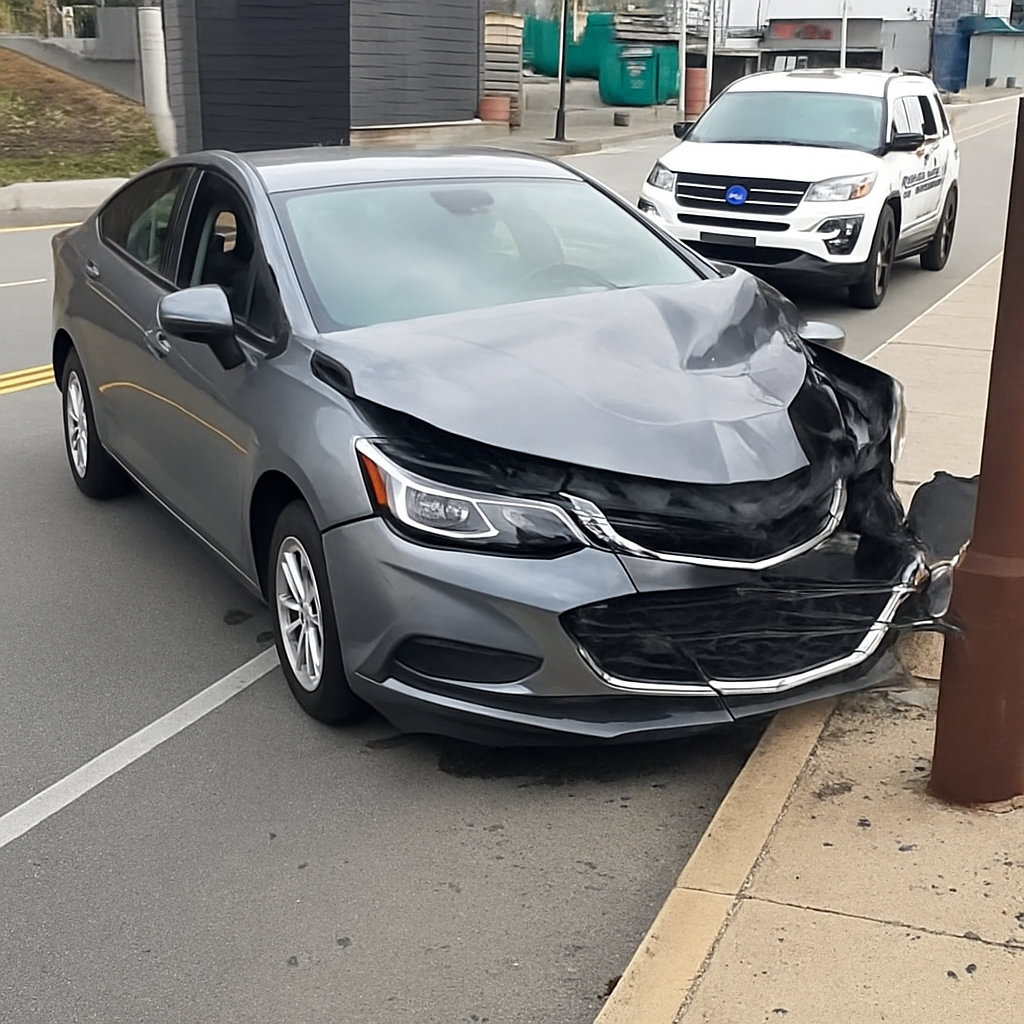
A hit and run conviction in Washington reclassifies you as a high-risk driver and triggers mandatory SR-22 filing, typically for three years. Expect rate increases of 70–120% and limited carrier availability — here's what to do next.
How Washington Classifies Hit and Run Violations
Washington categorizes hit and run offenses under RCW 46.52.020, distinguishing between attended and unattended vehicles or property. Leaving the scene of an accident involving an attended vehicle or injury is a gross misdemeanor carrying criminal penalties and immediate license suspension. Leaving the scene of an unattended vehicle collision is typically a misdemeanor but still results in points on your driving record and potential SR-22 requirements depending on your prior history and the specifics of the case.
The Washington Department of Licensing (DOL) assigns points for most moving violations, but hit and run convictions often bypass the standard point threshold for suspension and trigger immediate administrative action. Even if you have zero prior points, a hit and run conviction can result in a suspension ranging from 60 days to one year depending on severity and circumstances. This is distinct from accumulating six points in 12 months or 12 points in 24 months, which are the standard suspension thresholds for Washington drivers with multiple violations.
Because hit and run is classified as a serious offense under Washington's Habitual Traffic Offender (HTO) statute, a conviction can count toward HTO status if you accumulate three qualifying offenses within five years. HTO designation results in a revoked license for seven years, though you may be eligible for occupational driving permits during that period. Most drivers with a single hit and run conviction will not reach HTO status, but the conviction remains on your abstract for at least three years and influences insurance pricing for that entire duration. Washington SR-22 requirements
SR-22 Filing Requirements After a Hit and Run in Washington
Washington typically requires SR-22 filing after a hit and run conviction, especially if the incident resulted in license suspension or if you need to reinstate after a suspension. The SR-22 is a certificate of financial responsibility filed by your insurer with the Washington DOL, proving you carry at least the state minimum liability coverage: $25,000 per person for bodily injury, $50,000 per accident for bodily injury, and $10,000 for property damage. You must maintain continuous SR-22 filing for the duration ordered by the court or DOL, most commonly three years.
The SR-22 filing fee in Washington is typically $25 to $50 as a one-time charge from your insurer, but the real cost impact comes from the premium increase that accompanies high-risk classification. If your hit and run resulted in a suspension, you must file the SR-22 before the DOL will reinstate your driving privileges. Any lapse in coverage during the SR-22 period — even a single day — triggers an automatic notification to the DOL, which will suspend your license again and restart the three-year filing clock from zero.
Not every hit and run conviction automatically requires SR-22, but Washington courts and the DOL have broad discretion to impose it as a condition of reinstatement or probation. If your conviction involved injury, significant property damage, or prior violations, expect SR-22 to be mandatory. If you're unsure whether you need SR-22, check your reinstatement notice from the DOL or contact them directly — assumptions here can cost you months of additional filing time if you miss the requirement and face a subsequent suspension for failure to file.
Expected Rate Increases and Carrier Availability
A hit and run conviction typically increases your car insurance premiums by 70% to 120% in Washington, depending on your prior driving history, the severity of the offense, and whether injury or significant property damage was involved. If you were previously paying $150 per month for full coverage, expect that to jump to $255 to $330 per month. If SR-22 filing is required, add another $2 to $4 per month to account for the filing fee amortized over the year, though the primary cost driver remains the underwriting classification change, not the filing itself.
Many standard carriers — State Farm, Allstate, GEICO — will non-renew your policy after a hit and run conviction or decline to write you at renewal. This is standard practice for criminal traffic offenses, which fall outside the risk appetite of preferred and standard underwriting tiers. You'll need to shop non-standard or high-risk carriers that specialize in SR-22 and post-conviction coverage: Progressive, The General, Acceptance, Bristol West, and National General all actively write Washington drivers with hit and run convictions, though pricing and underwriting guidelines vary significantly by carrier.
Rate recovery after a hit and run conviction is slower than for standard moving violations. The conviction remains on your Washington driving abstract for at least three years, and most insurers will surcharge you for the full duration it's visible. Some carriers reduce the surcharge after the first year if you maintain a clean record post-conviction, but expect elevated premiums for the entire three-year SR-22 period at minimum. Shopping carriers annually during this period is critical — non-standard insurers reprice aggressively based on time since conviction, and the carrier offering the best rate in year one may not be competitive in year two. SR-22 insurance non-standard auto insurance
License Reinstatement Steps After Hit and Run Suspension
If your hit and run conviction resulted in a license suspension, reinstatement requires completing several specific steps with the Washington DOL. First, serve the full suspension period ordered by the court or DOL — you cannot apply for early reinstatement unless you qualify for an ignition interlock or occupational license, which are rarely available for hit and run suspensions. Second, pay all reinstatement fees, which typically include a $75 reissue fee plus a $100 administrative fee for criminal traffic offenses, totaling $175 in most cases.
Third, file proof of financial responsibility via SR-22 with the DOL before your reinstatement application will be processed. Your insurer must transmit the SR-22 electronically to the DOL, and processing can take 3 to 7 business days. Do not attempt to drive during this waiting period — your license is not valid until the DOL confirms reinstatement in their system. Fourth, if your conviction included a court order for a defensive driving course, victim impact panel, or community service, you must provide proof of completion to the DOL before reinstatement.
Washington does not offer occupational or hardship licenses for hit and run suspensions in most cases, so you'll need to arrange alternative transportation for the duration of the suspension. If you face employment hardship, consult with an attorney to determine whether you qualify for restricted driving privileges under RCW 46.20.391, but approval is rare for criminal traffic offenses. Once reinstated, your SR-22 filing requirement begins, and you must maintain continuous coverage and filing for the full three-year period without a single lapse.
Points, Suspension Thresholds, and Long-Term Record Impact
Washington does not publicly assign a specific point value to hit and run convictions in the same way it does for speeding or failure to yield violations. Instead, hit and run offenses are treated as serious violations that can trigger suspension independently of the point system. However, the conviction will appear on your driving abstract and will be factored into any subsequent HTO determination if you accumulate additional qualifying offenses within five years.
For context, standard moving violations in Washington carry point values ranging from two points (minor speeding) to six points (reckless driving or DUI). Accumulating six points in 12 months or 12 points in 24 months results in a suspension ranging from 30 days to one year. A hit and run conviction effectively bypasses this threshold and can result in immediate suspension regardless of your prior point total, meaning you could have a clean record aside from the hit and run and still face a suspension of 60 days or more.
The conviction remains on your Washington abstract for at least three years from the date of conviction, and longer if the offense is classified as a serious traffic violation under federal CDL rules (which hit and run typically is). Insurers will see the conviction for the entire period it remains on your abstract, and most will continue surcharging your premium until it ages off. After three years, your rates should begin to normalize, but the conviction may still appear on background checks and MVR reports for employment or rental purposes for up to seven years depending on the nature of the offense.
Shopping for Coverage as a High-Risk Driver in Washington
After a hit and run conviction, your leverage as a consumer drops significantly — but carrier pricing for high-risk drivers varies by 50% or more for the same coverage profile, so shopping is the highest-return action you can take. Do not accept the first quote you receive, even if it's from a carrier you've used in the past. Non-standard carriers use different underwriting models, and some weight time since conviction more heavily than others, meaning the best rate today may not be the best rate in six months.
Request quotes from at least three to five carriers that actively write SR-22 and post-conviction drivers in Washington: Progressive, The General, Acceptance, National General, and Bristol West are the most commonly available. If you're required to carry SR-22, confirm each quote includes the filing and that the insurer will transmit it to the DOL electronically. Do not assume your current carrier will offer competitive pricing post-conviction — many standard carriers will non-renew or offer renewal pricing 100% to 150% higher than your prior premium as a signal to move your policy elsewhere.
Consider adjusting your coverage levels to manage cost during the high-risk period, but do not drop below Washington's minimum liability limits or cancel comprehensive and collision if you're financing a vehicle. Raising your deductible from $500 to $1,000 can reduce premiums by 10% to 15%, and dropping comprehensive and collision on an older paid-off vehicle can cut costs significantly if you can tolerate the risk of paying out-of-pocket for repairs. However, any lapse in coverage during your SR-22 period restarts the three-year clock, so maintaining continuous coverage is non-negotiable even if it means carrying only state minimums.