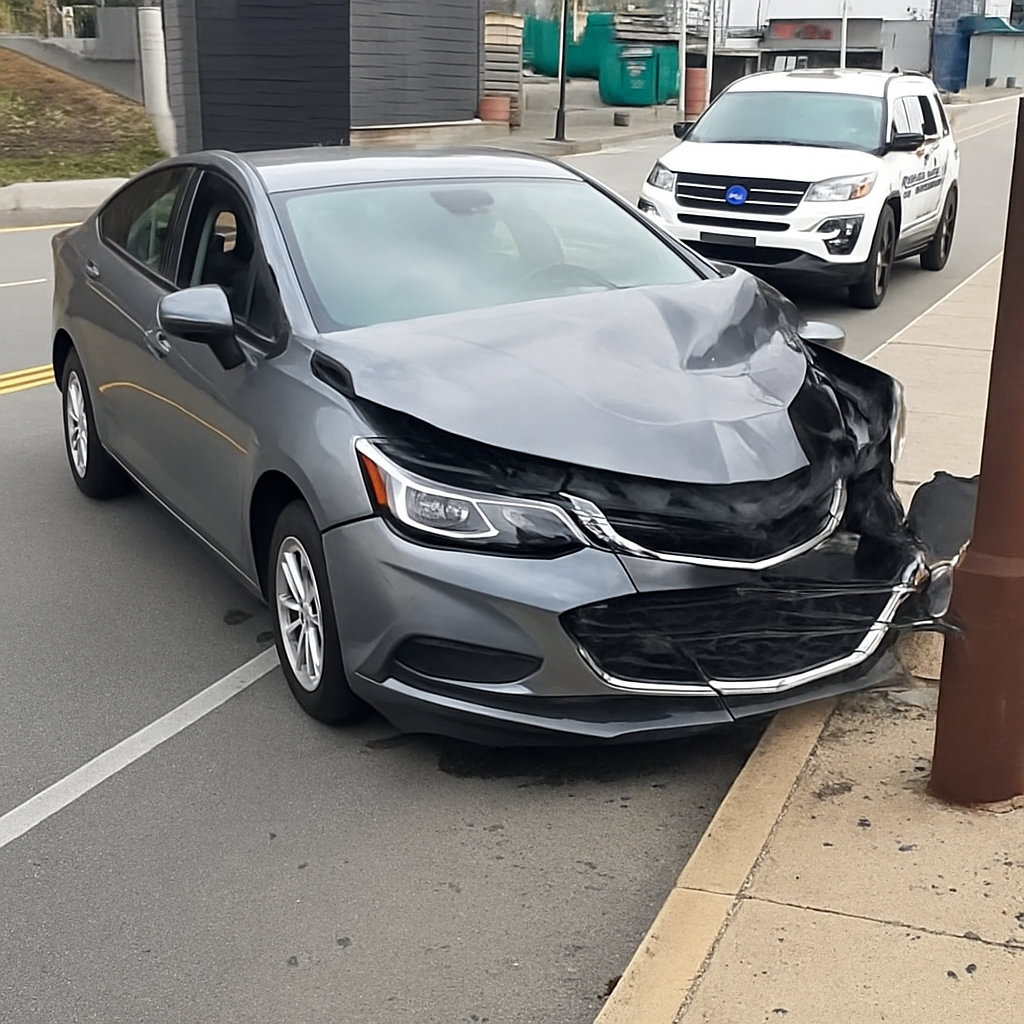
A hit and run conviction in Wisconsin lands you in assigned risk, suspends your license until you file SR-22, and raises premiums 175–250%. Here's what happens next and which carriers will still write you.
What Happens to Your License and Insurance Immediately After Conviction
A hit and run conviction in Wisconsin triggers immediate license revocation under Wisconsin Statute 346.74, with revocation periods ranging from 6 months to 1 year depending on whether the incident involved property damage only or injury. The Wisconsin DMV will not reinstate your license until you file proof of financial responsibility — an SR-22 certificate — demonstrating you carry at least the state minimum liability coverage of 25/50/10. Your insurer receives notification of the conviction within days, and most standard carriers cancel non-standard policies within 30–60 days or refuse renewal.
The conviction adds 6 points to your Wisconsin driving record, which remain visible to insurers for 5 years even though they drop off for suspension calculation purposes after 12 months. This creates a dual timeline problem: your SR-22 filing requirement lasts 3 years from the date of reinstatement, but the points-based rate penalty persists for the full 5-year lookback period most carriers use. You're dealing with both a compliance obligation and a long-term underwriting penalty.
You cannot drive legally in Wisconsin during the revocation period. No occupational license exists for hit and run convictions — unlike some OWI cases — which means you lose driving privileges entirely until you complete the revocation term, pay reinstatement fees totaling approximately $200, and file SR-22. If you're caught driving on a revoked license, you face additional criminal charges under Wisconsin Statute 343.44, which carries fines up to $2,500 and potential jail time. non-standard auto insurance
How Hit and Run Affects Your Insurance Rates in Wisconsin
Expect premium increases between 175% and 250% after a hit and run conviction, with the final multiplier depending on whether your insurer classifies the offense as a major violation or a criminal traffic offense. Standard carriers that don't immediately cancel you will move you into their high-risk tier or non-renew at the end of your policy term. Most drivers land in the non-standard or assigned risk market, where monthly premiums for state minimum liability coverage range from $180 to $350 depending on age, location, and prior history.
The 6-point violation stays on your motor vehicle record for 5 years in Wisconsin, which means every carrier pulling your record during that window sees the conviction and prices accordingly. Even after your 3-year SR-22 filing period ends, you'll still face elevated rates until the conviction ages past the 5-year mark. Carriers like Progressive, Bristol West, and Dairyland specialize in high-point drivers and may offer better rates than assigned risk, but you'll still pay significantly more than clean-record drivers.
If you're assigned to the Wisconsin Automobile Insurance Plan — the state's assigned risk pool — expect the highest premiums available. Assigned risk is the insurer of last resort, and rates typically run 200–300% higher than standard market rates. You remain in assigned risk until a voluntary market carrier agrees to write you, which usually happens 12–24 months after reinstatement if you maintain continuous coverage and avoid new violations. SR-22 insurance requirements in Wisconsin how points affect insurance rates
SR-22 Filing Requirements and Duration in Wisconsin
Wisconsin requires 3 years of continuous SR-22 filing following license reinstatement for hit and run convictions. The clock starts the day your license is reinstated, not the day of conviction or the end of your revocation period. Your insurer files the SR-22 electronically with the Wisconsin DMV, and you must maintain uninterrupted coverage for the entire 36-month period. Any lapse — even one day — resets the clock and triggers a new suspension.
The SR-22 filing fee ranges from $15 to $50 depending on your insurer, and you'll pay this fee at policy inception and again at each renewal if your policy term is shorter than 3 years. You must carry at least Wisconsin's minimum liability limits of $25,000 per person for bodily injury, $50,000 per accident for bodily injury, and $10,000 for property damage. Higher limits won't reduce your SR-22 term, but they provide better financial protection and may lower your rate per dollar of coverage with some non-standard carriers.
If you move out of Wisconsin during your SR-22 term, the filing requirement follows you. You'll need to obtain an SR-22 in your new state and notify Wisconsin's DMV that you've transferred coverage. If you let your Wisconsin SR-22 lapse before moving, Wisconsin can suspend your driving privilege, which may prevent you from obtaining a license in your new state until you resolve the Wisconsin suspension.
Which Carriers Write Policies After Hit and Run Convictions
Standard carriers like State Farm, Allstate, and American Family typically won't write new policies for drivers with recent hit and run convictions, and most cancel existing policies within 60 days of notification. You'll need to shop non-standard carriers that specialize in high-point and SR-22 drivers. In Wisconsin, Progressive, Dairyland, Bristol West, and Foremost write the majority of non-standard auto policies and all offer SR-22 filing.
Progressive writes more SR-22 policies nationally than any other carrier and has a strong presence in Wisconsin's non-standard market. Rates vary widely based on your full profile, but Progressive often offers monthly premiums 20–40% lower than assigned risk for drivers with single major violations. Dairyland specializes in motorcycle and high-risk auto coverage and may quote competitively if you bundle policies. Bristol West focuses exclusively on non-standard auto and often appears in the lowest-cost tier for minimum coverage.
If no voluntary market carrier will write you, Wisconsin assigns you to the Wisconsin Automobile Insurance Plan, which guarantees coverage but at the highest available rates. You're not stuck in assigned risk permanently — once you've completed 12–24 months of continuous coverage without new violations, shop again. Non-standard carriers revisit eligibility regularly, and moving from assigned risk to a voluntary non-standard carrier can cut your premium by 30–50%.
Timeline for Rate Recovery After Hit and Run
Your rates begin recovering the moment you reinstate your license and maintain continuous coverage, but the recovery arc is long. For the first 3 years, you're paying SR-22 surcharges plus high-risk underwriting premiums. After your SR-22 term ends, you're still carrying the 6-point conviction for 2 additional years, which keeps you in the non-standard or high-risk tier with most carriers.
Between years 3 and 5 post-conviction, shop aggressively every 6–12 months. Some carriers weight recent violations more heavily than older ones, and moving from a 2-year-old conviction to a 4-year-old conviction can unlock better rate tiers even before the conviction falls off entirely. Completing a defensive driving course doesn't remove points from your Wisconsin record, but some carriers offer small discounts for course completion, and the gesture signals you're a lower-risk driver moving forward.
Once the conviction ages past 5 years, most carriers no longer factor it into your rate calculation. At that point, you should qualify for standard rates again assuming no new violations. The full recovery timeline from conviction to clean-record pricing is approximately 5–6 years, but the steepest premium drops happen at reinstatement (when you move from no coverage to coverage), at the 3-year mark (when SR-22 ends), and at the 5-year mark (when the conviction drops off). Shopping at each of these milestones maximizes your rate recovery speed.
What You Can Do Right Now to Lower Your Premium
You can't erase the conviction, but you control three variables that determine your final premium: carrier choice, coverage limits, and payment structure. Start by requesting quotes from at least three non-standard carriers — Progressive, Bristol West, and Dairyland at minimum. Rate spreads for the same driver profile can exceed $100/month between the highest and lowest non-standard quotes, and assigned risk often costs double what the lowest voluntary market carrier charges.
If you're quoted into assigned risk by every carrier, accept it temporarily and re-shop after 12 months of continuous coverage. Assigned risk is not permanent. Once you've demonstrated 12 months of claims-free, lapse-free coverage, voluntary market carriers become more willing to write you. Some drivers save 40–50% by moving from assigned risk to a voluntary non-standard carrier after one year.
Consider raising your deductible or dropping comprehensive and collision coverage if you drive an older vehicle with low market value. Wisconsin only requires liability coverage for SR-22 filing, and reducing your policy to state minimums can cut your premium by 30–40% compared to full coverage. Paying your premium in full rather than monthly installments eliminates financing fees, which can add 10–15% to your annual cost. Every reduction compounds — a driver who switches carriers, raises their deductible, and pays annually can sometimes cut their post-conviction premium by 50% or more compared to their initial quote.