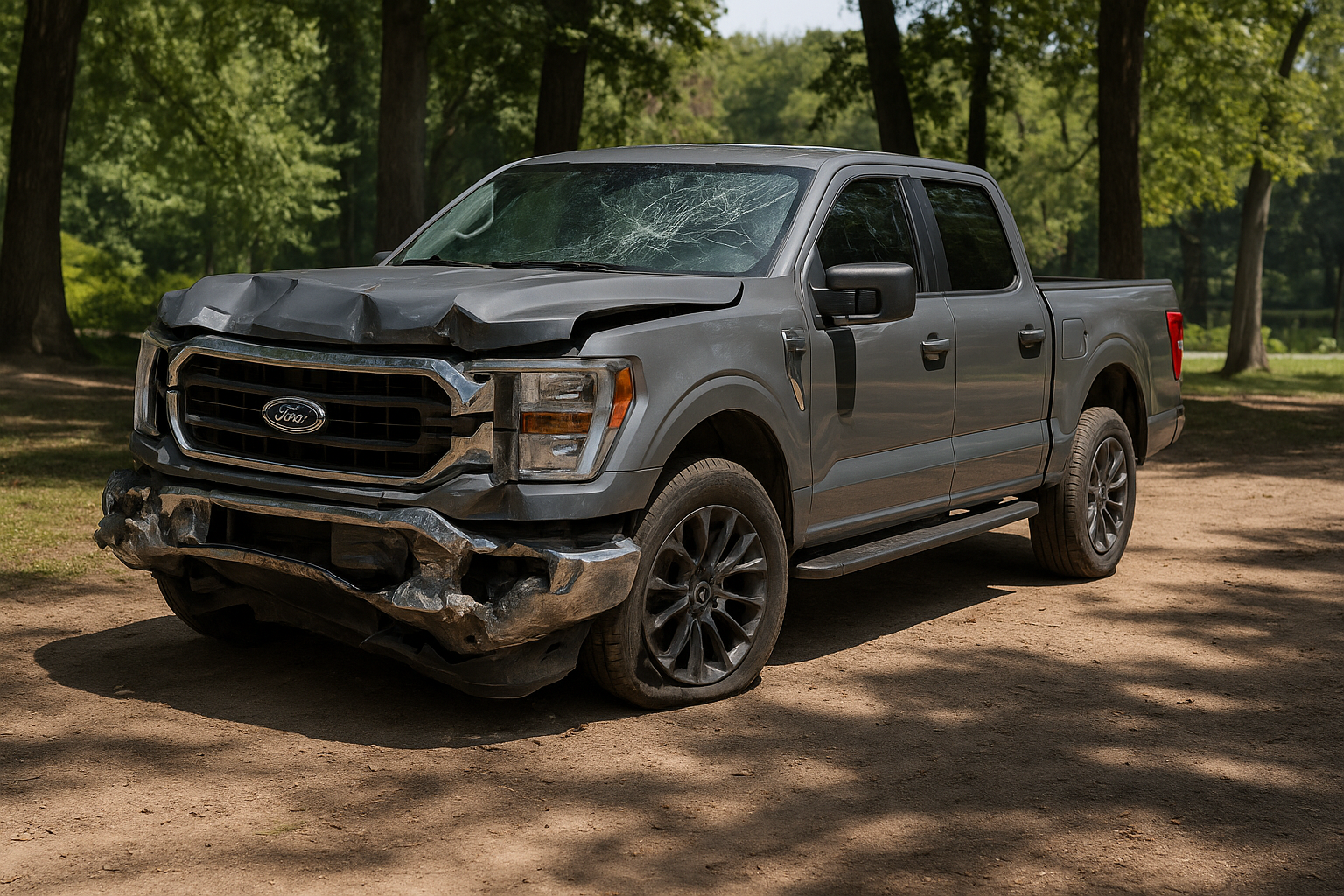
Wyoming treats hit and run as a misdemeanor or felony depending on severity, triggering license suspension, SR-22 filing, and rate increases of 60–100%. Here's what to expect and which carriers still write coverage.
How Wyoming Classifies Hit and Run Violations
Wyoming distinguishes between two types of hit and run under statute 31-5-1203: property damage only and accidents involving injury or death. If you left the scene of an accident with only property damage, it's typically charged as a misdemeanor carrying up to six months in jail and fines up to $750. If the accident involved injury or death, the charge escalates to a felony with potential prison time of up to five years and fines reaching $5,000.
The classification matters for your insurance search because it determines whether you'll need an SR-22 filing. Misdemeanor hit and run convictions in Wyoming do not automatically trigger SR-22 requirements unless your license was suspended as part of the sentencing or if you accumulated enough points to hit the state's suspension threshold. Felony hit and run convictions, particularly those involving injury, almost always result in license suspension and mandatory SR-22 filing for reinstatement.
Wyoming uses a point system where most moving violations add 3 points to your record. A hit and run conviction typically adds 3–4 points depending on the court's ruling, but the real impact comes from the suspension itself. If your license is suspended for any reason — conviction-related or administrative — you'll need SR-22 proof of financial responsibility to get it back. The suspension period for hit and run can range from 90 days to one year for first offenses, and longer for repeat violations.
SR-22 Filing Requirements After Hit and Run in Wyoming
If your Wyoming license was suspended following a hit and run conviction, the Department of Transportation will require you to file an SR-22 certificate before reinstatement. The SR-22 itself is not insurance — it's a form your insurance carrier files electronically with the state certifying you carry at least Wyoming's minimum liability coverage: $25,000 per person for bodily injury, $50,000 per accident for bodily injury, and $20,000 for property damage.
The filing fee varies by carrier but typically runs $25–$50 as a one-time charge. You'll pay this in addition to your policy premium. Wyoming does not charge a separate state fee for SR-22 processing. The filing period is typically three years from the date of reinstatement, though the court or DMV may specify a different duration in your sentencing or reinstatement notice. You must maintain continuous coverage for the entire period — any lapse triggers an automatic suspension notice, and you'll restart the clock.
Not all carriers offer SR-22 filings in Wyoming. If your current insurer is a standard carrier like USAA, Geico, or State Farm, they may non-renew your policy after the conviction appears. This forces you into the non-standard market where carriers like The General, Direct Auto, and regional high-risk insurers dominate. These carriers expect SR-22 filings and price accordingly, but their rates vary widely depending on whether your hit and run was property-damage or injury-related. Wyoming SR-22 insurance requirements SR-22 insurance non-standard auto insurance
Rate Increases and Carrier Response After Hit and Run
Hit and run convictions trigger some of the steepest rate increases in the insurance industry because they combine two negative signals: an at-fault accident and failure to remain at the scene. Expect rate increases between 60% and 100% after a misdemeanor hit and run, with felony convictions pushing increases above 120% or leading to outright non-renewal.
Standard carriers view hit and run as a high-risk indicator because it suggests both poor judgment and potential fraud risk. Most will non-renew at your next policy term rather than offer a renewal quote. A few carriers like Progressive and Nationwide may offer coverage but at significantly elevated rates, especially if you've been with them for multiple years and have no prior claims. If your conviction is property-damage only and no SR-22 is required, you have a better chance of staying in the standard market.
Once you move to the non-standard market, expect annual premiums between $2,400 and $4,800 for minimum liability coverage with SR-22 filing, depending on your age, location, and whether the hit and run involved injury. Wyoming's low population density keeps rates slightly lower than urban states, but the conviction itself is the dominant pricing factor. Carriers price injury-related hit and run convictions more severely than property-damage cases because injury claims carry higher loss potential and suggest greater recklessness.
License Reinstatement Process in Wyoming
Before you can file an SR-22 and restore your driving privileges, you must satisfy Wyoming's reinstatement requirements. These typically include completing any jail time or probation terms, paying all court fines and restitution to victims, and waiting out the suspension period set by the court or the Wyoming Department of Transportation. You cannot reinstate early by filing SR-22 — the suspension must expire first.
Once eligible for reinstatement, you'll need to pay a $50 reinstatement fee to the Wyoming DOT, obtain an SR-22 certificate from an authorized insurer, and submit proof of current insurance. If your suspension exceeded one year, you may also need to retake the written and road tests. The entire process can take 2–4 weeks once you've secured coverage and filed the SR-22, assuming no additional violations occurred during the suspension period.
Many drivers assume they can buy coverage the day before reinstatement and file SR-22 immediately. In practice, carriers need 24–72 hours to process and electronically file the SR-22 with Wyoming DOT, so start shopping at least one week before your reinstatement eligibility date. If you attempt to drive during suspension, even with an active policy, Wyoming treats it as driving while suspended — a separate misdemeanor charge that extends your suspension and adds more points.
Finding Coverage After a Hit and Run Conviction
Your carrier options narrow significantly after a hit and run conviction, especially if SR-22 is required. Standard carriers rarely write new policies for drivers with recent hit and run convictions, and most will non-renew existing policies at the next term. Focus your search on non-standard and high-risk carriers that specialize in post-conviction coverage: The General, Direct Auto, Bristol West, and Acceptance Insurance all write SR-22 policies in Wyoming.
Rates vary by 40–60% between non-standard carriers for the same coverage, so comparing quotes is the single highest-leverage action you can take. One carrier may price your hit and run conviction as a standard at-fault accident with a surcharge, while another treats it as a major violation with a separate underwriting penalty. Age and location also matter — drivers under 25 or in Cheyenne and Casper typically see higher quotes than rural drivers over 30.
If no carrier offers affordable coverage immediately after reinstatement, consider naming someone else as the primary driver if you share a household and vehicle. This only works if the other person has a clean record and genuinely drives the vehicle more than you do — misrepresenting the primary driver is fraud and gives the carrier grounds to deny claims. Another option is to wait 6–12 months post-conviction and re-shop: many carriers reassess risk annually, and your rates will drop as time passes without new violations.
How Long the Hit and Run Affects Your Record and Rates
Wyoming maintains hit and run convictions on your driving record for 10 years under state DMV policy, but insurance carriers typically only surcharge for 3–5 years depending on severity. Misdemeanor property-damage hit and run convictions usually fall off carrier pricing models after three years if no additional violations occur. Felony hit and run convictions involving injury may carry a five-year surcharge period and remain a red flag for underwriting beyond that.
Your SR-22 filing requirement, if applicable, lasts three years in most cases. Once the filing period ends and you've maintained continuous coverage, you can drop the SR-22 and re-shop for standard market coverage. At that point — typically 3–4 years post-conviction — you'll see your rates normalize if your record has stayed clean. The conviction remains on your DMV record, but most carriers stop actively pricing it after the third anniversary.
Points from the hit and run conviction fall off your Wyoming driving record after 12 months from the conviction date, though the conviction itself remains visible. This means your risk of suspension due to point accumulation drops after one year, but the conviction's impact on your insurance rates continues much longer. Completing a defensive driving course may reduce points in some cases, but it will not remove the conviction or shorten your SR-22 filing period.