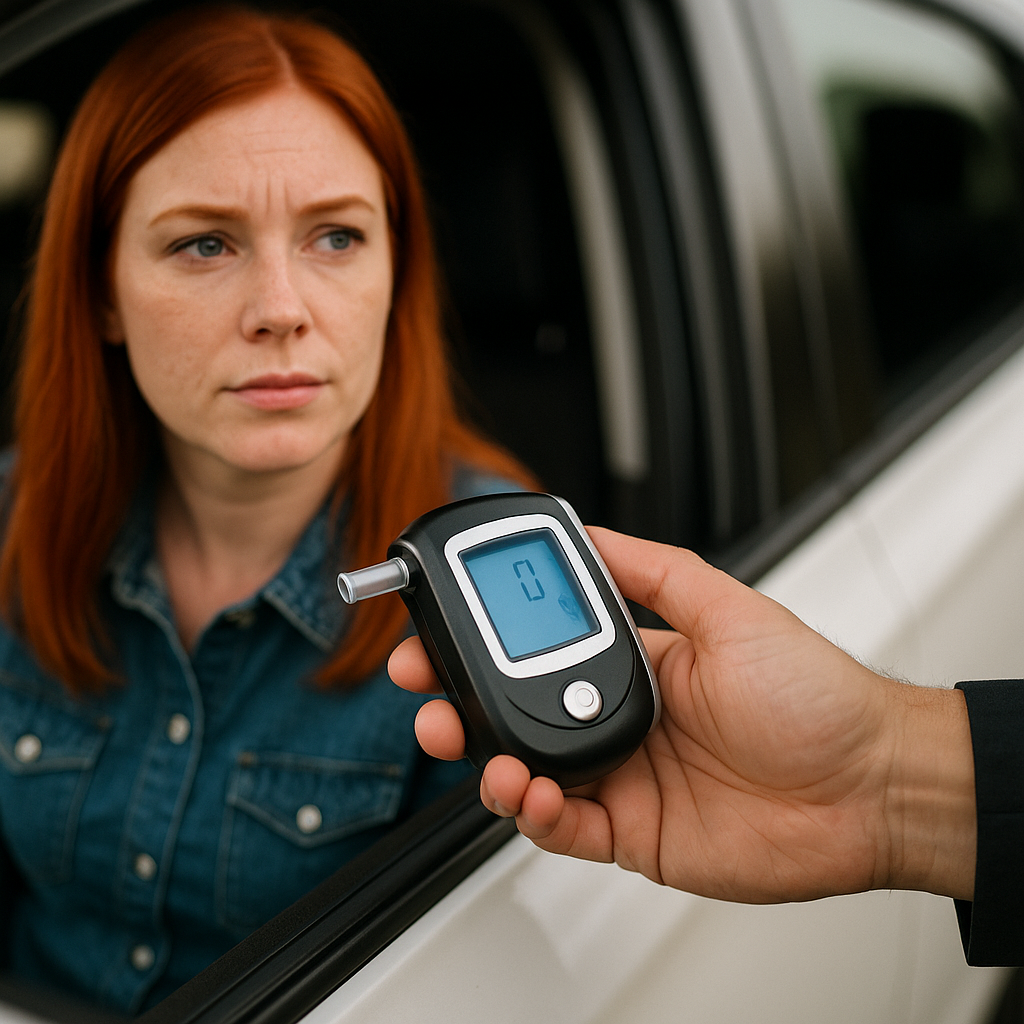
Arkansas treats a lapse in coverage as seriously as a DUI — it's a Class A misdemeanor that triggers mandatory SR-22 filing, license suspension, and up to 90 days in jail. Here's how to get covered again and end your suspension.
Why Arkansas Treats Uninsured Driving as a Criminal Offense
Arkansas is one of only a handful of states that classifies driving without liability insurance as a Class A misdemeanor — the same category as DUI — under Arkansas Code § 27-19-113. The penalties include fines up to $500, up to 90 days in jail, and mandatory license suspension. This isn't a traffic ticket — it's a criminal citation that goes on your record.
The Arkansas Office of Motor Vehicle (OMV) also suspends your license and vehicle registration immediately upon proof of uninsured operation. To lift the suspension, you must maintain SR-22 insurance for three years from the date of reinstatement — not from the date of the violation. Every day you delay getting coverage extends that three-year clock.
Because the offense carries both a court case and a DMV suspension, you face two separate compliance requirements: resolving the criminal charge through the court and satisfying the OMV's SR-22 filing and reinstatement fee. Most drivers assume paying the court fine clears everything — it doesn't. You still need to file SR-22, pay the $150 reinstatement fee to the OMV, and maintain continuous coverage for three years.
What SR-22 Filing Costs and How It Works in Arkansas
An SR-22 is not a separate insurance policy — it's a certificate your insurer files with the Arkansas OMV proving you carry at least the state's minimum liability coverage: $25,000 bodily injury per person, $50,000 per accident, and $25,000 property damage. The one-time filing fee is typically $15 to $50, depending on the carrier.
Once filed, the SR-22 stays active as long as you maintain continuous coverage. If you miss a payment or your policy lapses, your insurer notifies the OMV within 10 days and your license is suspended again. The three-year SR-22 requirement resets from the new reinstatement date — meaning a single lapse can add years to your filing obligation.
Not all carriers offer SR-22 filing in Arkansas. Standard carriers like State Farm or Allstate often decline to write policies for drivers with uninsured operation violations. Non-standard carriers that specialize in high-risk filings — such as Bristol West, The General, and Progressive — are your primary options. Expect monthly premiums between $80 and $200 for minimum liability coverage with SR-22, depending on your age, location, and whether you have additional violations. Arkansas SR-22 insurance requirements
The Two-Step Reinstatement Process: Court and DMV
Getting your license back after an uninsured driving charge requires satisfying both the court system and the Arkansas OMV. The court process comes first: you'll either pay the fine, complete community service, or serve probation depending on your plea or conviction. You'll receive a disposition document showing your case is closed.
Once the court case is resolved, you move to the OMV reinstatement process. You'll need to purchase an SR-22 policy from a licensed Arkansas insurer, have the insurer file the SR-22 with the OMV electronically, and pay the $150 license reinstatement fee in person at an OMV office or online through the Arkansas Department of Finance and Administration portal. The OMV does not lift your suspension until all three steps are complete.
Many drivers assume the SR-22 filing alone reinstates their license — it doesn't. You must separately submit proof of the SR-22, pay the reinstatement fee, and wait for the OMV to process your application. Processing typically takes 3 to 5 business days if all documents are in order. Until your license is officially reinstated, you cannot legally drive — even with an active SR-22 policy.
How Long You'll Carry SR-22 and What Happens If You Lapse
Arkansas requires you to maintain SR-22 insurance for three years from the date your license is reinstated, not from the date of your violation. If you were suspended for six months before getting coverage, your SR-22 clock doesn't start until you reinstate — so your total timeline from violation to SR-22 release could be 3.5 years or more.
If your policy lapses at any point during the three-year SR-22 period — whether from non-payment, cancellation, or switching carriers without maintaining continuous coverage — the OMV suspends your license again within 10 days. To reinstate after a lapse, you must file a new SR-22, pay another $150 reinstatement fee, and restart the three-year requirement from scratch.
After three years of continuous SR-22 filing with no lapses, the OMV releases the requirement automatically. You don't need to file any paperwork to end it — your insurer simply stops filing the certificate. At that point, you can shop for standard insurance again, though your uninsured driving conviction will remain on your motor vehicle record for three years from the conviction date and may still affect your rates until it falls off.
Which Carriers Write Coverage After Uninsured Driving
Standard carriers rarely accept drivers with recent uninsured operation convictions in Arkansas. The criminal classification makes it a hard decline for most underwriters. Non-standard carriers that specialize in SR-22 filings are your primary market for the first 1 to 3 years after reinstatement.
Carriers known to write SR-22 policies in Arkansas include Bristol West, The General, Acceptance Insurance, Progressive (through their non-standard division), and National General. Each carrier prices the risk differently — one may quote you $120/month while another quotes $180 for identical coverage. Shopping at least three quotes is the single highest-leverage action you can take to reduce your premium.
Some drivers qualify for named non-owner SR-22 policies if they don't own a vehicle but need to reinstate their license. These policies meet the Arkansas SR-22 requirement and cost $30 to $60 per month — significantly less than owner-operator coverage. If you're not driving regularly but need your license back for work or ID purposes, a non-owner policy is the most cost-effective path. non-standard auto insurance
Rate Recovery Timeline and What You Can Do Now
Your uninsured driving conviction appears on your Arkansas motor vehicle record for three years from the date of conviction, and insurers use that record to price your premiums. During your SR-22 filing period, expect to pay 50% to 100% more than a driver with a clean record. Rates begin to drop meaningfully once you pass the two-year mark with no additional violations.
Once your SR-22 requirement ends after three years, you can shop standard carriers again — but your conviction will still appear on your record until it fully ages off. Most carriers look back three years for major violations, so you'll see the steepest rate reductions once the conviction falls off entirely.
The fastest way to lower your premiums now is to compare quotes from multiple non-standard carriers, maintain continuous coverage with no lapses, and avoid any additional violations during your SR-22period. Even a single speeding ticket can spike your rates further or extend your high-risk classification. Once you're eligible for standard insurance again, shop aggressively — the first carrier you call may not be the cheapest, and rate spreads for drivers with past violations can exceed $1,000 per year.