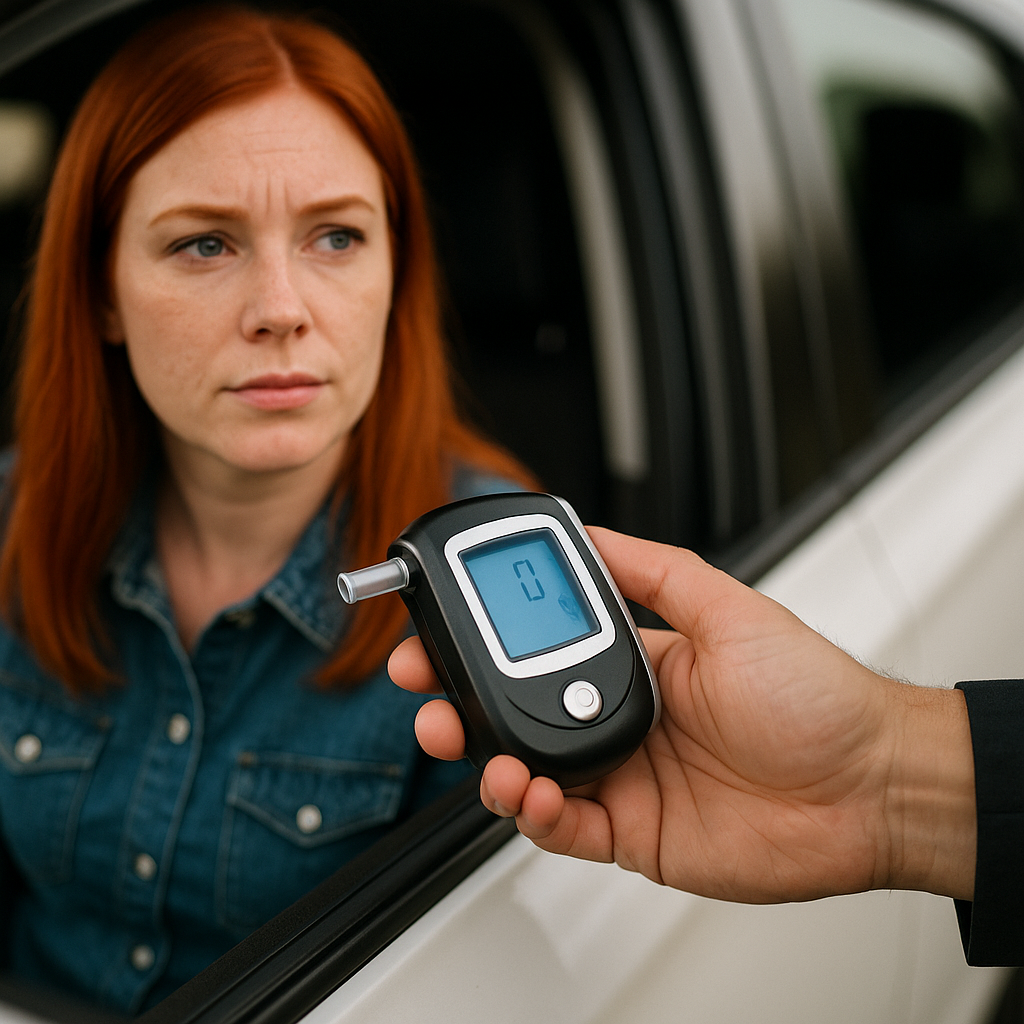
California treats uninsured driving as both a DMV violation and a court citation — and reinstating your license requires proof of insurance before you can legally get behind the wheel again. Here's how to get covered fast and what it will cost.
What California Actually Does When You're Caught Driving Without Insurance
California doesn't just issue a ticket for driving uninsured — you face a two-track penalty system involving both the courts and the DMV. The court citation under Vehicle Code 16029 carries fines ranging from $360 to over $900 for a first offense, plus possible impoundment fees if your vehicle was towed. Separately, the DMV triggers an administrative suspension of your license and registration, which stays in effect until you file proof of insurance and pay a reinstatement fee.
The DMV penalty is what catches most drivers off guard. California's Insurance Compliance Unit flags your license for suspension if you're cited for uninsured driving or if you're involved in an at-fault accident without coverage. You receive a notice in the mail giving you 10 to 30 days to prove insurance coverage or face suspension. If you miss that deadline, your license and registration are suspended until you comply — and you cannot legally reinstate without showing proof of current insurance first.
If you were involved in an accident while uninsured, California also requires you to file an SR-1 accident report with the DMV within 10 days of the incident. This is separate from any police report and triggers additional scrutiny. The DMV will require you to post a bond or deposit covering the damages — often $35,000 or more — unless you can prove you've obtained insurance and resolved the claim. Most drivers in this situation are forced to secure coverage immediately just to avoid the bond requirement. California SR-22 insurance requirements
The SR-22 Requirement for Uninsured Drivers in California
California does not automatically require SR-22 filings for every uninsured driving citation — but it's common enough that you should expect it. The DMV imposes SR-22 filing requirements if your license was suspended for driving without insurance, if you had an at-fault accident while uninsured, or if the court ordered it as part of your sentencing. Once the DMV notifies you of an SR-22 requirement, you must maintain continuous SR-22 coverage for three years without any lapses.
An SR-22 is not a type of insurance — it's a form your insurer files with the California DMV certifying that you carry at least the state's minimum liability limits: $15,000 per person for bodily injury, $30,000 per accident, and $5,000 for property damage. If your policy lapses or cancels during the three-year period, your insurer is required to notify the DMV immediately, which triggers an automatic suspension of your license. You then restart the entire three-year clock from the date you refile.
The SR-22 filing fee itself is typically $15 to $25, but the real cost is the premium increase. California drivers with an SR-22 requirement for uninsured driving see average rate increases of 60% to 90% compared to their previous premiums. If you also have points from other violations — speeding, at-fault accidents, or reckless driving — the increase can exceed 100%. The uninsured violation alone adds 1 point to your DMV driving record, which stays visible to insurers for three years even if the SR-22 requirement ends. SR-22 insurance
Which Carriers Will Actually Cover You After Uninsured Driving
Standard-market insurers — State Farm, Geico, Allstate — routinely decline or non-renew drivers with recent uninsured citations, especially if an SR-22 filing is involved. You'll need to shop the non-standard auto insurance market, where carriers specialize in high-risk profiles and are willing to write policies for drivers with suspensions, SR-22 requirements, and point violations. These include carriers like The General, Acceptance Insurance, Infinity, Bristol West, and Freeway Insurance.
Non-standard carriers price risk differently than standard insurers. Most will quote you immediately even with an active suspension or pending reinstatement, which is critical if you need proof of insurance before the DMV will lift your suspension. Expect to pay $150 to $350 per month for California state minimum liability coverage with an SR-22 filing, depending on your age, location, and whether you have additional violations. Drivers under 25 or in high-cost metro areas like Los Angeles or San Francisco often pay closer to the upper end of that range.
Some non-standard carriers offer same-day SR-22 filing, meaning they can electronically transmit your proof of insurance to the DMV within hours of binding your policy. This is the fastest path to reinstatement if you're under a suspension deadline. Once you have an active policy and the SR-22 is filed, you can typically schedule your DMV reinstatement appointment or submit your proof of insurance online through the California DMV's online portal.
Reinstating Your License and Registration After the Violation
California requires you to complete several steps before your license and registration are reinstated. First, you must obtain a new insurance policy and have your carrier file the SR-22 form with the DMV if required. Second, you must pay the DMV's reinstatement fee, which is $55 for a license suspension and an additional $14 registration renewal fee if your vehicle registration was also suspended. Third, if you had an at-fault accident while uninsured, you may need to satisfy any outstanding SR-1 bond or deposit requirement before reinstatement is approved.
The DMV does not automatically reinstate your license once you file proof of insurance. You must either schedule an in-person appointment at a DMV field office or submit your reinstatement request online if you're eligible. Processing times vary — online submissions are typically processed within 2 to 5 business days, while in-person appointments depend on local office availability. If your suspension was longer than one year, California may also require you to retake the written knowledge test before reinstatement.
Once reinstated, your uninsured violation remains on your DMV record for three years and will be visible to insurers during that period. Your insurance premium will not return to pre-violation levels immediately. Most drivers see rates begin to decrease after the first year of clean driving, with more significant drops after the two-year mark. Completing a California DMV-approved defensive driving course can sometimes reduce your point total by one point, which may lower your premium modestly, but it does not affect the SR-22 filing duration.
What Happens If You Let Your New Policy Lapse
If you cancel or allow your new insurance policy to lapse while under an SR-22 requirement, your insurer is required to file an SR-26 form with the California DMV notifying them of the cancellation. The DMV will immediately suspend your license again, and you'll be required to refile an SR-22 with a new insurer and restart the entire three-year SR-22 filing period from scratch. There is no grace period — the suspension is automatic.
A second suspension for lapsed insurance is treated more severely than the first. You'll face higher reinstatement fees, and many non-standard insurers will either decline to quote you or charge significantly higher premiums after a second offense. Drivers with multiple suspensions for uninsured driving often pay $250 to $400 per month or more for minimum liability coverage, and some are relegated to assigned risk pools where coverage is even more expensive.
To avoid a lapse, set up automatic payments with your insurer and monitor your bank account to ensure payments process successfully. If you're struggling to afford your premium, contact your insurer immediately to discuss payment plans or coverage adjustments before you miss a payment. Dropping from full coverage to liability-only can reduce your premium by 40% to 60%, and it still satisfies California's SR-22 requirement as long as you maintain the state's minimum liability limits.
How Long the Rate Increase Lasts and What You Can Do About It
The rate increase from an uninsured driving violation is not permanent, but it's also not quick. Most California insurers apply the surcharge for the full three years the violation remains on your DMV record. After three years, the violation falls off your record and is no longer factored into your premium calculation — but you'll still need to complete your SR-22 filing period before the requirement is lifted.
Your best opportunity to reduce your premium during the SR-22 period is to shop your policy every six to twelve months. Non-standard carriers vary widely in how they price uninsured violations, and the carrier that offers the lowest rate at the start of your SR-22 period may not be the cheapest after a year of clean driving. Drivers who shop annually save an average of 15% to 25% compared to those who stay with the same carrier for the full three years.
Once your SR-22 filing period ends and the violation falls off your record, you can move back to the standard insurance market if your driving record is otherwise clean. Standard carriers offer significantly lower rates than non-standard insurers — often 30% to 50% less for the same coverage. If you've accumulated no additional violations during your SR-22 period, contact standard-market insurers directly or use a comparison tool to request quotes as soon as your three-year period ends.