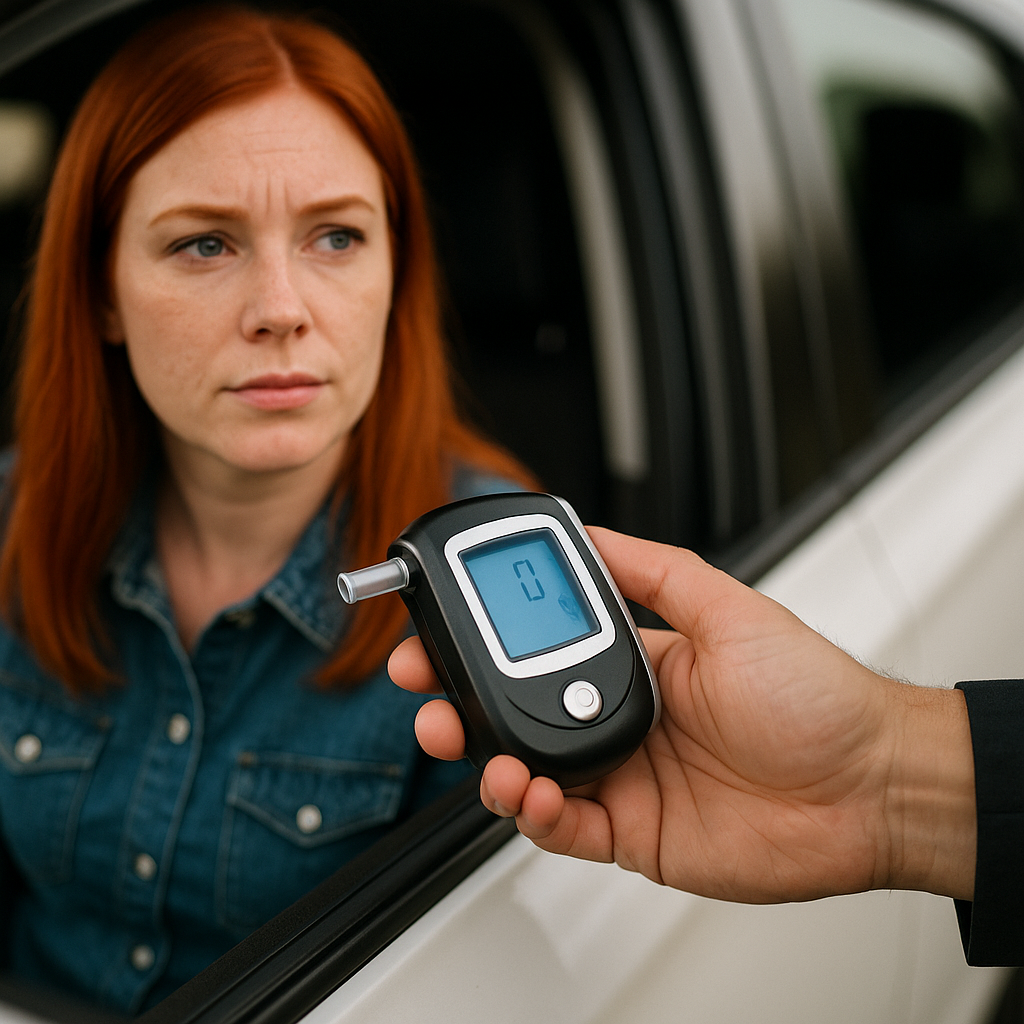
Indiana imposes a $250 reinstatement fee and requires proof of future insurance before you can get your license back after a lapse — but the bigger cost is the premium spike that follows.
What Indiana Requires After Driving Uninsured
When your insurance lapses in Indiana, the Bureau of Motor Vehicles (BMV) suspends your registration and driving privileges. To reinstate, you must pay a $250 suspension termination fee, submit an SR-22 certificate if ordered, and show proof of insurance coverage going forward. The BMV does not differentiate between a lapse caused by missed payments and one caused by intentional cancellation — both trigger the same penalties.
Here's what matters: SR-22 is not required for every lapse. If your license was suspended solely for failing to maintain financial responsibility — meaning no one caught you driving uninsured and you had no other violations — you may only need to prove you now have coverage and pay the reinstatement fee. SR-22 is typically mandated when you were cited for driving without insurance, involved in an at-fault accident while uninsured, or accumulated other violations like DUI or multiple moving violations during the lapse period.
The distinction is critical because SR-22 filing adds cost and limits your carrier options. If your suspension notice does not explicitly mention SR-22, confirm with the BMV whether it's required before purchasing a policy that includes it. Many drivers assume it's mandatory and end up paying for coverage they don't need. Indiana SR-22 requirements SR-22 insurance coverage
How Much Your Rates Increase After a Lapse in Indiana
A lapse in coverage typically increases your insurance rates by 30% to 50% in Indiana, even if you were never caught driving uninsured. Carriers view a lapse as a high-risk indicator — it signals potential nonpayment, future lapses, or coverage gaps that could expose them to uninsured motorist claims. If you were cited for driving without insurance or caused an at-fault accident while uninsured, expect increases closer to 70% to 100%.
The increase duration depends on how long the lapse appears on your record. In Indiana, a lapse-related suspension remains visible to insurers for three years from the reinstatement date. That doesn't mean your rates stay elevated for three full years — most drivers see rates begin to drop after the first renewal period if they maintain continuous coverage and avoid new violations. But the lapse itself remains a factor in underwriting decisions until it falls off.
Carriers differ significantly in how they price post-lapse risk. Standard carriers like State Farm or Allstate may decline to write you entirely or offer only non-standard policies at steep surcharges. Non-standard carriers like The General, Direct Auto, or Bristol West specialize in lapse situations and often quote 20% to 40% lower than standard carriers for the same coverage limits. Shopping at least three non-standard carriers is the single highest-leverage action you can take to control cost after a lapse. non-standard auto insurance
When Indiana Requires SR-22 After Driving Uninsured
Indiana mandates SR-22 in specific situations, not as a blanket requirement for all lapses. You will need SR-22 if you were convicted of driving without insurance under Indiana Code 9-25-4-1, if you were involved in an at-fault accident without coverage, or if you accumulated violations that triggered a habitual traffic offender designation. The BMV will include the SR-22 requirement in your suspension notice if it applies.
SR-22 is a certificate your insurer files directly with the BMV confirming you carry at least Indiana's minimum liability limits: $25,000 bodily injury per person, $50,000 per accident, and $25,000 property damage. The filing itself costs $15 to $25 depending on the carrier, but the real cost is the premium increase. SR-22 filers in Indiana see average rate increases of 40% to 80% over non-SR-22 rates, and many standard carriers refuse to write SR-22 policies at all.
The SR-22 filing period in Indiana is typically three years from the reinstatement date, though the court or BMV may set a different duration based on the underlying violation. If your policy lapses or cancels during the SR-22 period, your insurer is required to notify the BMV, which will immediately re-suspend your license. This creates a compliance trap: missing a payment doesn't just cost you coverage, it restarts the entire reinstatement process and adds new fees.
Which Carriers Write Post-Lapse Coverage in Indiana
Standard carriers like Progressive, GEICO, and State Farm may write post-lapse coverage if the lapse was short (under 30 days) and you have no other violations. Longer lapses or lapse-related citations push you into the non-standard market. Non-standard carriers that actively write post-lapse and SR-22 policies in Indiana include The General, Direct Auto, Bristol West, Acceptance Insurance, and Titan Insurance.
Non-standard carriers price risk differently. Where a standard carrier might decline or surcharge 70%, a non-standard carrier may accept you at 30% over their base rate. The trade-off is often higher baseline premiums and fewer coverage options — many non-standard policies offer only state minimum liability limits, no comprehensive or collision, and limited or no uninsured motorist coverage. If you need full coverage to meet a lien holder's requirements, expect fewer carrier options and higher premiums.
Shopping multiple carriers is non-negotiable after a lapse. Rate variation for the same driver and coverage can exceed $100 per month between carriers in the non-standard market. Use an independent agent or multi-carrier quote tool that includes non-standard carriers — captive agents tied to a single carrier cannot show you the full market, and direct writers like GEICO or Progressive may not quote you at all if your lapse exceeds their underwriting guidelines.
Steps to Reinstate Your License and Get Insured
Start by requesting a copy of your driving record from the Indiana BMV to confirm the exact suspension reason and whether SR-22 is required. Your suspension notice will list required actions, but errors occur — if the notice is unclear, call the BMV at 888-692-6841 before purchasing coverage. Confirm the reinstatement fee amount, SR-22 requirement, and any other conditions like defensive driving or hardship hearing.
Once you know what's required, shop for coverage before paying the reinstatement fee. You need an active policy to submit proof of insurance, but you don't need to reinstate your license to purchase the policy. Get quotes from at least three non-standard carriers, compare coverage limits and payment terms, and purchase the policy that meets BMV requirements at the lowest cost. If SR-22 is required, confirm the insurer will file it electronically with the BMV — most do, but some smaller carriers still use paper filing, which delays reinstatement by days or weeks.
After your policy is active and the SR-22 is filed (if required), pay the $250 reinstatement fee online through the BMV's myBMV portal or in person at a license branch. The BMV will verify your insurance before processing the reinstatement. Once cleared, your license and registration are reinstated immediately. If you plan to drive the same day, bring proof of insurance and your reinstatement receipt — you may be pulled over and asked to provide both until the system updates fully.
How Long the Lapse Affects Your Rates
A lapse-related suspension remains on your Indiana driving record for three years, but its impact on your rates decreases over time. Most carriers reduce surcharges after the first renewal period if you maintain continuous coverage and avoid new violations. By year two, expect your rates to drop 10% to 20% if your record remains clean. By year three, when the lapse falls off entirely, you should see rates return to near pre-lapse levels — though other factors like age, vehicle, and claims history will still apply.
Rate recovery accelerates if you complete a state-approved defensive driving course. Indiana does not offer point reduction for defensive driving, but some carriers offer premium discounts of 5% to 10% for course completion. Check with your insurer before enrolling — not all carriers honor the discount, and the course fee (typically $25 to $75) only makes sense if the discount applies for at least two policy terms.
Maintaining continuous coverage is the single most effective way to recover your rates. A second lapse, even a short one, will reset your risk profile and trigger new surcharges that compound with the first lapse. Set up automatic payments, monitor your bank balance before due dates, and contact your carrier immediately if you anticipate a payment issue — most will work with you to adjust due dates or set up a payment plan rather than cancel your policy and restart the clock.