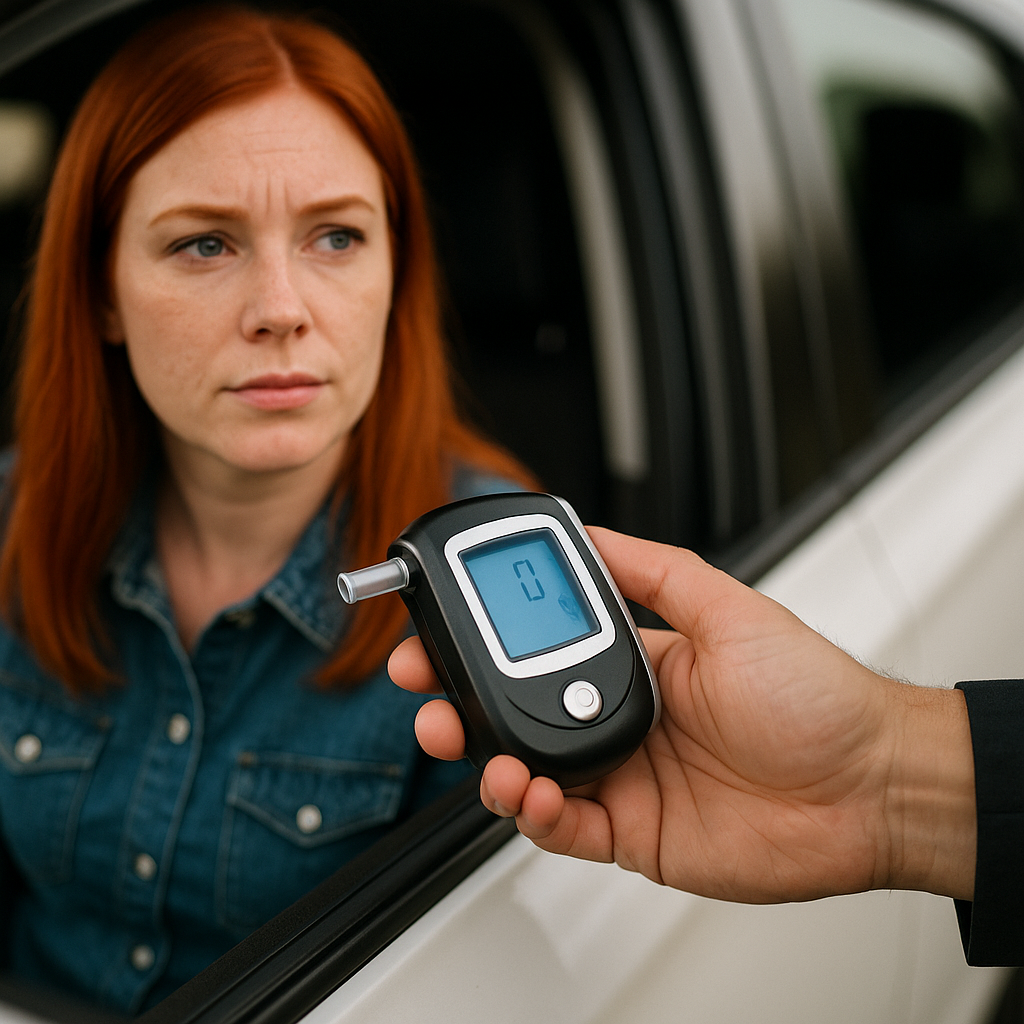
North Dakota treats uninsured driving as a Class B misdemeanor with up to 30 days in jail and mandatory SR-22 filing. Here's how to reinstate your license, satisfy SR-22 requirements, and find coverage after a lapse.
Why North Dakota Treats Uninsured Driving as a Criminal Offense
North Dakota Century Code § 39-08-20 classifies driving without liability insurance as a Class B misdemeanor, punishable by up to 30 days in jail and fines up to $1,500 for a first offense. This is not a traffic ticket — it's a criminal charge that goes on your record and requires a court appearance. Most states treat uninsured driving as a civil violation with fines and administrative penalties, but North Dakota criminalizes it to enforce its financial responsibility laws aggressively.
If you're caught driving without insurance in North Dakota, the North Dakota Department of Transportation (NDDOT) will suspend your license and vehicle registration for at least 30 days. You cannot reinstate until you provide proof of insurance and file an SR-22 certificate with the state. The SR-22 filing requirement lasts for three years from the date of reinstatement, not the date of the violation. Any lapse in coverage during those three years resets the clock and triggers a new suspension.
The criminal record from a no-insurance conviction stays on your background indefinitely unless expunged. This matters for employment, housing, and future traffic stops — it's not just about insurance rates. If you've already been cited, focus on fulfilling the reinstatement requirements immediately to avoid compounding penalties.
How to Reinstate Your License After a No-Insurance Suspension in North Dakota
The NDDOT requires four steps to reinstate your license after an uninsured driving suspension. First, you must purchase a liability insurance policy that meets or exceeds North Dakota's minimum coverage limits: $25,000 bodily injury per person, $50,000 bodily injury per accident, and $25,000 property damage. These are among the lowest minimums in the U.S., but SR-22-required policies often cost more because you're classified as high-risk.
Second, your insurer must file an SR-22 certificate electronically with the NDDOT. This is not a separate policy — it's a form your insurer submits proving you carry continuous coverage. Most insurers charge a one-time SR-22 filing fee between $25 and $50. Third, you must pay the NDDOT reinstatement fee, which is $50 for a first-time no-insurance suspension. Fourth, you must wait out the full suspension period — typically 30 days for a first offense, 90 days for a second offense within three years, and one year for a third offense.
You cannot drive during the suspension period, even if you obtain insurance and file the SR-22 early. Driving on a suspended license is a separate Class B misdemeanor in North Dakota, carrying up to 30 days in jail and another SR-22 requirement. Once the suspension ends, you can reinstate online through the NDDOT driver's license portal or in person at a driver's license site. Bring proof of insurance, your SR-22 confirmation, and payment for the reinstatement fee. North Dakota SR-22 requirements
What SR-22 Insurance Costs in North Dakota After a Lapse
SR-22 insurance in North Dakota typically costs $800 to $1,400 per year for drivers with a no-insurance violation, compared to $400 to $600 annually for clean-record drivers. The rate increase reflects the fact that you're now classified as high-risk — insurers price based on the likelihood you'll let coverage lapse again. Drivers with additional violations, such as DUIs or reckless driving, can see annual premiums exceed $2,000.
Not all insurers write SR-22 policies in North Dakota. State Farm, Progressive, and The General are among the carriers that file SR-22 certificates in the state, but availability and pricing vary significantly by carrier. Some national carriers, including Geico, do not offer SR-22 filings in North Dakota, so you'll need to shop non-standard insurers. The SR-22 filing fee itself is minor — most insurers charge $25 to $50 — but the real cost is the elevated premium for the three-year filing period.
Rates typically drop after the first year if you maintain continuous coverage without additional violations. Expect a 20% to 30% rate reduction at your first renewal, and further reductions in years two and three. Once your SR-22 requirement ends, you can shop standard carriers again and see premiums return to near-normal levels, though the no-insurance conviction may still affect your record for up to three years beyond the SR-22 period.
Which Carriers Write SR-22 Policies After Uninsured Driving in North Dakota
Your carrier options narrow significantly after a no-insurance violation in North Dakota. Progressive is one of the largest writers of SR-22 policies nationwide and actively insures drivers with lapses in North Dakota. The General specializes in non-standard risk and offers SR-22 filings statewide. State Farm writes SR-22 policies selectively, depending on your full driving history and how long ago the lapse occurred. Dairyland and National General also write SR-22 policies in North Dakota but typically require higher down payments.
Some insurers will not write you a new policy immediately after a lapse. If your previous carrier dropped you for non-payment or cancelled your policy mid-term, you may face a waiting period before standard or preferred carriers will consider you. Non-standard carriers like The General and Bristol West do not impose waiting periods, but their rates are higher. Expect to pay 40% to 60% more with a non-standard carrier than you would with a standard carrier offering SR-22.
Shop at least three carriers before binding a policy. SR-22 premiums vary by as much as 80% between the lowest and highest quotes for the same driver profile in North Dakota. Use an independent agent or a comparison tool that surfaces non-standard carriers — captive agents tied to one insurer cannot show you all your options, and many standard carriers will decline to quote you outright after a no-insurance violation. non-standard auto insurance
How Long the SR-22 Requirement Lasts and What Happens If You Lapse Again
North Dakota requires you to maintain SR-22 filing for three years from the date your license is reinstated, not from the date of the violation. This means the clock does not start until you've completed your suspension, paid the reinstatement fee, and filed the SR-22. If you let your insurance lapse at any point during those three years, your insurer is legally required to notify the NDDOT within 10 days, and your license will be suspended again immediately.
A second suspension for a lapse during the SR-22 period triggers a longer suspension — typically 90 days — and extends your SR-22 requirement by another three years from the new reinstatement date. This creates a cycle that can keep you in SR-22 status for five or more years if you're not vigilant about maintaining continuous coverage. Set up automatic payments and monitor your policy renewal dates closely.
Once you complete the three-year SR-22 period without any lapses, the requirement ends automatically. You do not need to take any action with the NDDOT — your insurer will stop filing the SR-22, and you can switch to a standard policy. However, the no-insurance conviction remains on your driving record for three years from the date of the offense, and insurers can still rate you based on that conviction even after the SR-22requirement ends. Expect elevated premiums for up to six years total: three years of SR-22 filing plus three additional years of surcharge for the conviction.
Steps to Take Right Now If You're Driving Without Insurance in North Dakota
If you're currently uninsured in North Dakota and haven't been cited yet, purchase liability coverage immediately. Even if you can only afford state minimums, getting a policy in force today prevents a criminal charge if you're pulled over tomorrow. Most insurers can bind coverage the same day you apply, and SR-22 filings are submitted electronically within 24 hours. Do not wait until after a traffic stop or accident — the penalties multiply exponentially once you're cited.
If you've already been cited or suspended, do not drive until your license is reinstated. The temptation to drive to work or for errands is high, but driving on a suspended license in North Dakota is a second Class B misdemeanor that adds jail time, additional fines, and another SR-22 requirement. Arrange alternative transportation — rideshares, carpools, public transit — until you complete the reinstatement process.
Once reinstated, set up automatic payments for your insurance policy and maintain continuous coverage for the full three-year SR-22 period. If you anticipate financial difficulty, contact your insurer before your policy lapses — many carriers offer payment plans or reduced coverage options that keep your SR-22 active. Dropping to state minimums is always better than letting your policy cancel. If you're switching carriers during the SR-22 period, confirm the new carrier files the SR-22 before cancelling your old policy. Even a single day of coverage gap will trigger a suspension.