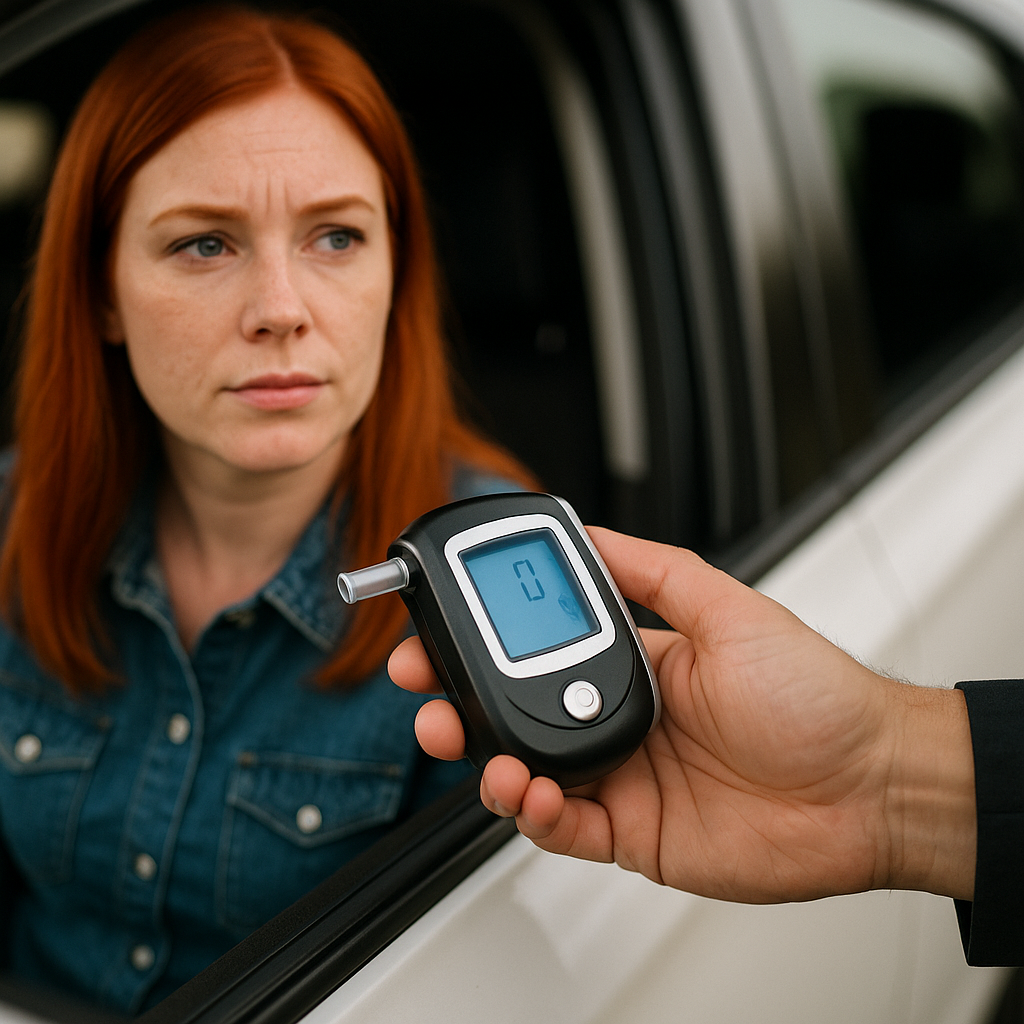
South Dakota doesn't require SR-22 after a lapse — but you'll need to file proof of coverage (Form 1) and pay a $150 reinstatement fee before you can legally drive again. Here's how to get insured and back on the road.
What South Dakota Actually Requires After Driving Uninsured
South Dakota does not require SR-22 filing after a standard insurance lapse. You need Form 1 (Certificate of Financial Responsibility), which is a simpler proof-of-coverage form your new insurer files with the Division of Motor Vehicles when you purchase a policy. The confusion happens because SR-22 is required for major violations like DUI or multiple at-fault accidents — but for a basic lapse, Form 1 is the only filing you need.
The DMV suspends your registration and license immediately when your insurer notifies them of a policy cancellation or lapse. To reinstate, you must purchase a new policy, have your insurer file Form 1 electronically, and pay a $150 reinstatement fee to the DMV. There is no waiting period once Form 1 is filed and the fee is paid — you can drive the same day if you complete all steps.
If you were caught driving without insurance, you may also face a Class 2 misdemeanor citation, which carries up to 30 days in jail and fines up to $500. Points are not assessed for insurance lapses in South Dakota, but the conviction stays on your motor vehicle record for three years and will trigger premium increases ranging from 30% to 60% depending on the carrier. South Dakota SR-22 requirements liability insurance
How Much Coverage Costs After a Lapse in South Dakota
The average annual premium for minimum liability coverage in South Dakota is approximately $450 for a driver with a clean record. After a lapse citation or conviction for driving uninsured, expect that to increase to $585 to $720 per year — a 30% to 60% surcharge depending on the carrier and how long the lapse lasted. Lapses under 30 days are typically surcharged less than lapses exceeding 90 days.
Not all carriers will insure you after a lapse. Standard carriers like State Farm and Allstate often decline or non-renew policies when a lapse appears on your record. Non-standard carriers that specialize in drivers with violations — including Progressive, Dairyland, The General, and National General — are more likely to offer coverage, though rates will be higher than what you paid before the lapse.
Shopping across at least three carriers is critical. Rate spreads for lapse violations in South Dakota can exceed $400 annually between the most and least expensive carriers. Progressive and Dairyland typically offer competitive rates for lapse violations, while captive agents for standard carriers may refer you to their non-standard subsidiaries at significantly higher premiums. non-standard auto insurance
How Long the Lapse Affects Your Rates and Record
A conviction for driving without insurance stays on your South Dakota motor vehicle record for three years from the conviction date, not the lapse date. Carriers typically surcharge your premium for the full three-year period, though the surcharge percentage may decrease after the first year if you maintain continuous coverage without additional violations.
After three years, the conviction falls off your record and most carriers will re-rate you as if the lapse never occurred — assuming you have not accumulated additional violations. If you switch carriers before the three-year mark, the new carrier will see the lapse during underwriting and apply their own surcharge, which may be higher or lower than your current rate.
Maintaining continuous coverage is the single most effective way to accelerate rate recovery. Carriers reward stability: drivers who go 12 months post-lapse without a gap in coverage or new violation often see renewal discounts of 5% to 10%. If you let coverage lapse again during the three-year window, you reset the clock and face compounding surcharges that can push annual premiums above $1,200 for minimum liability.
Which Carriers Write Policies After a South Dakota Lapse
Progressive, Dairyland, The General, National General, and Bristol West are the most accessible non-standard carriers for South Dakota drivers with lapse violations. Progressive writes more post-lapse policies in South Dakota than any other carrier and offers the widest range of payment plans, including monthly electronic funds transfer with no down payment requirement in some cases.
State Farm and Allstate may offer coverage if the lapse was brief (under 30 days) and you had prior coverage with them, but expect either a declination or a referral to a non-standard subsidiary. USAA and Auto-Owners typically decline applicants with lapse violations entirely during the three-year lookback period.
Independent agents who represent multiple non-standard carriers can compare rates across Dairyland, National General, and Bristol West in a single session, which is more efficient than contacting each carrier individually. Captive agents (State Farm, Allstate, Farmers) can only quote their own company's products, which limits your ability to compare. Drivers with lapse violations save an average of $300 to $500 annually by shopping through independent agents versus accepting the first quote from a captive carrier.
Steps to Reinstate Your License and Get Insured
Contact a non-standard carrier or independent agent and disclose the lapse upfront. Purchase a policy that meets South Dakota's minimum liability limits: 25/50/25 ($25,000 bodily injury per person, $50,000 per accident, $25,000 property damage). The insurer will file Form 1 electronically with the Division of Motor Vehicles within 24 hours of binding coverage.
Once Form 1 is filed, pay the $150 reinstatement fee online through the South Dakota DMV's website or in person at a driver licensing office. You will need your driver license number and proof of the new insurance policy (declarations page or ID card). The DMV processes reinstatements immediately upon receipt of both Form 1 and the fee — there is no mandatory waiting period.
If you were cited for driving without insurance, confirm with the court whether the citation requires additional proof of coverage beyond Form 1. Some municipal courts in Sioux Falls and Rapid City require drivers to present proof of coverage directly to the court clerk as a condition of resolving the citation, even after DMV reinstatement is complete. Failing to do this can result in a default judgment and additional fines.
When You Actually Need SR-22 in South Dakota
South Dakota requires SR-22 filing for DUI convictions, multiple at-fault accidents within a 12-month period, accumulating 15 or more points in 12 months, or certain reckless driving convictions. SR-22 is not required for a standard insurance lapse — that's a critical distinction most drivers and even some agents miss.
If you do need SR-22, the filing fee is typically $25 to $50 and your insurer submits it electronically to the DMV. SR-22 must remain on file for three years from the date of the violation, and any lapse in SR-22 coverage triggers an automatic license suspension. Premiums for SR-22 policies are 50% to 100% higher than non-SR-22 policies due to the elevated risk profile.
If you're uncertain whether you need SR-22 or Form 1, call the South Dakota Division of Motor Vehicles at 605-773-3541 or check your suspension notice. The notice will explicitly state "SR-22 required" if applicable. If it does not, you only need Form 1 and standard proof of coverage — don't pay for SR-22 coverage you don't need.
What Happens If You Drive Before Reinstating
Driving on a suspended license in South Dakota is a Class 1 misdemeanor, punishable by up to one year in jail and fines up to $2,000. If you're caught, your vehicle can be impounded and you'll face additional reinstatement fees of up to $200 on top of the original $150 lapse fee.
Insurance companies will not cover accidents that occur while you're driving on a suspended license, even if you have an active policy. That means you're personally liable for all bodily injury and property damage costs, which can exceed $50,000 in even minor collisions. Courts will also add points to your record for the suspended license conviction, which compounds your rate increases once you do reinstate.
The reinstatement process takes less than one day if you have coverage and pay the fee — there is no reason to risk a misdemeanor conviction and impoundment. Get insured first, file Form 1, pay the fee, and only drive once the DMV confirms reinstatement is complete.