
Car Insurance After DUI Reinstatement in Virginia
Free to compare
What Happens to Your Insurance Rate Immediately After Virginia DUI Reinstatement
Your premium will increase 80-120% at your first renewal after reinstatement, and you will pay an additional $15-25 per month for SR-22 filing fees for three years. Virginia adds 6 demerit points to your driving record for a DUI conviction, which remain active for 11 years on your DMV record, though insurance surcharges typically stabilize after year three.
Most preferred carriers will non-renew your policy within 60 days of conviction notification. Standard carriers like State Farm and GEICO often reclassify you to their non-standard divisions. Non-standard carriers like Direct Auto and The General specialize in post-reinstatement policies and quote aggressively for this profile.
Virginia requires continuous SR-22 coverage for three years from your reinstatement date. Any lapse longer than 30 days resets the three-year clock and triggers an automatic license suspension. Your carrier must file an SR-26 notification with the DMV within 45 days of any cancellation or lapse.

How Long the DUI Affects Your Virginia Insurance Premium
The surcharge peaks in year one at 80-120% above your pre-conviction rate, drops to 50-70% in year two, and stabilizes at 30-40% by year three if no additional violations occur. After three years, you can request SR-22 removal and shop for preferred-tier coverage again, though the conviction remains on your insurance record for five years total in most carrier underwriting systems.
Virginia's 6-point DUI assessment does not expire for insurance purposes until 11 years after conviction, but carriers weight recent violations more heavily. A carrier reviewing your record in year four will see the conviction but will not apply the same underwriting penalty as in year one.
If you add a second moving violation during the three-year SR-22 period, expect your rate to increase an additional 25-40% and your non-standard carrier options to narrow significantly. The combination of active SR-22 and multiple violations moves you into assigned-risk pool territory in Virginia.

Which Virginia Carriers Write Post-Reinstatement DUI Policies
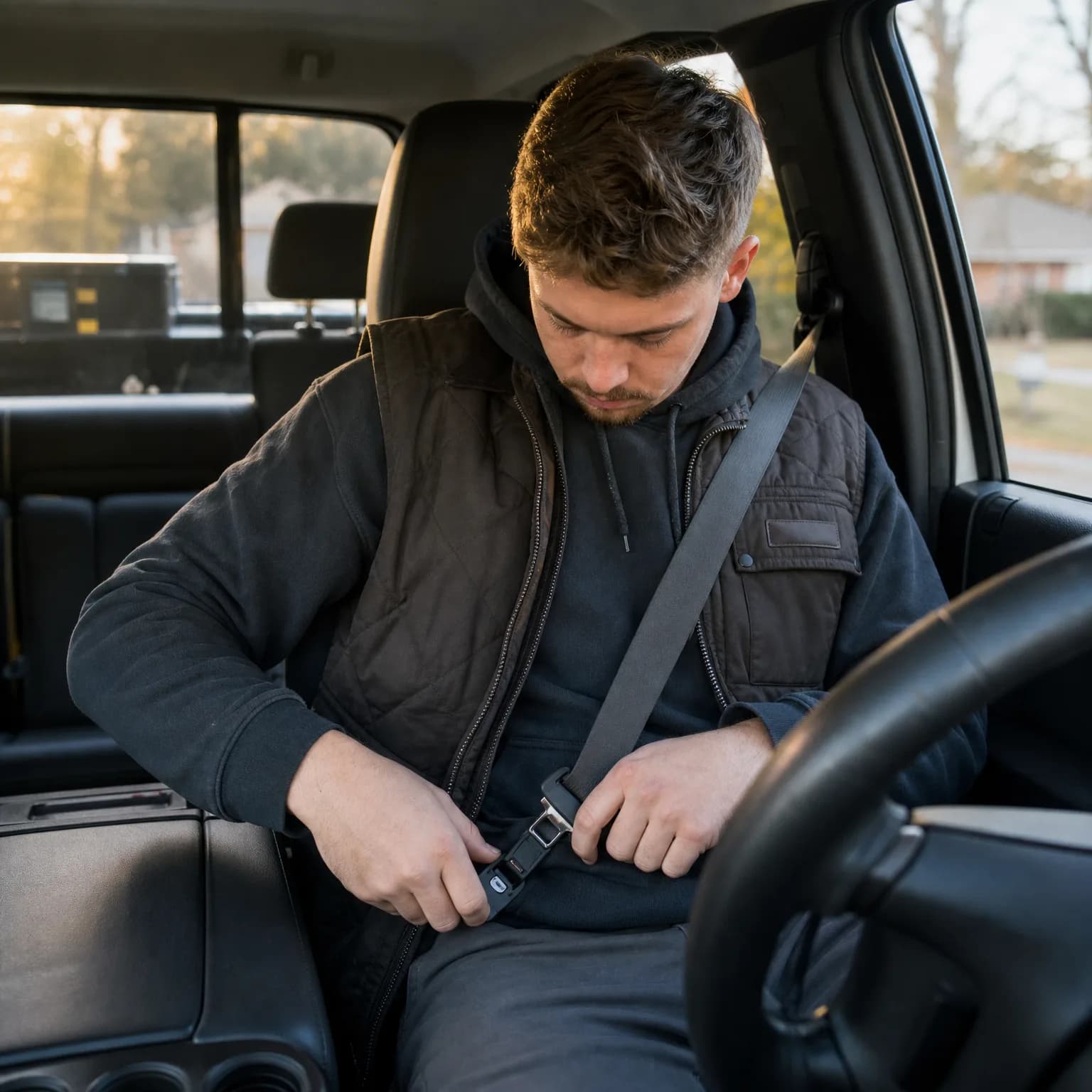
Direct Auto, The General, Acceptance Insurance, and National General write new policies immediately after reinstatement and file SR-22 electronically at binding. These non-standard carriers quote 30-50% higher than preferred carriers quoted you before the DUI, but they approve applications that preferred carriers automatically decline.
State Farm and GEICO will usually retain existing customers after a DUI by moving them to a non-standard underwriting tier, but they rarely accept new applicants with an active SR-22 requirement. Progressive writes some post-reinstatement business in Virginia but typically requires 12 months of continuous SR-22 filing before approving new applications.
Assigned-risk coverage through the Virginia Automobile Insurance Plan is the last-resort option when voluntary-market carriers decline you. VAIP premiums run 40-60% higher than non-standard voluntary-market rates, and you must demonstrate three declination letters from voluntary carriers before VAIP will assign you to a servicing carrier.
How Virginia's SR-22 Filing Requirement Works After Reinstatement
Virginia requires you to maintain SR-22 filing for three consecutive years after your license reinstatement date. Your insurance carrier files the SR-22 certificate electronically with the Virginia DMV at policy inception and maintains continuous filing status throughout your policy term.
You cannot remove SR-22 until the full three-year period expires without a lapse. The DMV monitors your filing status in real time, and any lapse triggers an automatic suspension notice within 15 days. Your carrier must notify the DMV within 45 days of any cancellation, non-renewal, or lapse in coverage.
SR-22 filing adds $15-25 per month to your premium depending on carrier. This fee is separate from the DUI surcharge and continues for the entire three-year period. When the three years expire, contact your carrier to request SR-22 removal and shop for preferred-tier coverage at that renewal.

Find the Insurers That Still Want Your Business
See Carriers That Cover You
What Coverage Levels You Must Carry During the SR-22 Period
Virginia's minimum liability limits are $25,000 per person, $50,000 per accident for bodily injury, and $20,000 for property damage. SR-22 filing confirms you carry at least these minimums, but most non-standard carriers require you to purchase higher limits as a condition of approval.
Carriers writing post-reinstatement policies in Virginia typically require 50/100/50 or 100/300/100 limits to offset their underwriting risk. Dropping to state minimums during the SR-22 period may trigger a mid-term cancellation and a new three-year SR-22 clock.
Collision and comprehensive coverage are optional, but if you financed your vehicle, your lender requires both. Non-standard carriers price physical damage coverage 20-30% higher for SR-22 drivers than for standard-risk drivers because claim frequency is statistically higher in this profile.

How to Lower Your Rate During the Three-Year SR-22 Window
Complete a Virginia-approved driver improvement clinic within 90 days of reinstatement. The course does not remove the DUI conviction or the 6 demerit points, but some carriers apply a 5-10% discount for voluntary completion. The course costs $50-75 and takes eight hours.
Shop for new quotes every six months during the SR-22 period. Non-standard carrier pricing varies significantly, and a carrier that declined you in month one may approve you in month 18 after you demonstrate claims-free driving. Request quotes from at least three non-standard carriers each cycle.
Avoid any additional violations during the three-year period. A single speeding ticket or at-fault accident during active SR-22 filing will trigger another 20-30% surcharge and may cause your current carrier to non-renew you at the next renewal, forcing you into assigned-risk coverage.
What Happens After Your Three-Year SR-22 Period Ends
Contact your carrier 30 days before your three-year anniversary and request SR-22 removal. The carrier will file an SR-26 release form with the Virginia DMV, and your monthly SR-22 fee will drop off at your next renewal. Your rate will not automatically decrease when SR-22 ends, but you can now shop preferred-tier carriers again.
Preferred carriers like State Farm, GEICO, and Progressive will quote you after SR-22 removal if you maintained continuous coverage with no additional violations during the three-year window. Expect quotes 30-50% lower than your final SR-22-period premium, though still higher than pre-DUI rates for another two years.
The DUI conviction remains on your insurance record for five years total from the conviction date under current Virginia carrier underwriting rules. After five years, most preferred carriers will quote you at standard rates again if no other violations have occurred.
Frequently Asked Questions
How much does car insurance cost after a DUI in Virginia?
Your premium will increase 80-120% for the first year after reinstatement, plus an additional $15-25 per month for SR-22 filing fees. A driver paying $120 per month before a DUI will typically pay $240-280 per month in year one after reinstatement.
How long do you need SR-22 after a DUI in Virginia?
Virginia requires SR-22 filing for three consecutive years from your license reinstatement date. Any coverage lapse longer than 30 days during this period resets the three-year clock and triggers automatic license suspension.
Can you get SR-22 insurance with a suspended license in Virginia?
No. You must complete Virginia's reinstatement process and pay all DMV fees before any carrier will issue an SR-22 policy. Purchase the policy immediately after reinstatement because the three-year SR-22 clock starts on your reinstatement date, not your policy effective date.
Will my insurance company cancel my policy after a DUI in Virginia?
Most preferred carriers will non-renew your policy at the next renewal after conviction notification, typically within 60-90 days. Standard carriers like State Farm and GEICO often transfer existing customers to their non-standard divisions rather than canceling outright.
How do I remove SR-22 from my Virginia insurance policy?
Contact your carrier 30 days before your three-year anniversary and request SR-22 removal. The carrier files an SR-26 release form with the DMV, and your monthly SR-22 fee drops off at your next renewal. You can then shop for preferred-tier coverage again.
Related Articles
Car Insurance After DUI in Virginia: Rates & SR-22
5/15/2026

Virginia DUI Insurance: SR-22 Costs and Reinstatement
5/15/2026

Car Insurance After DUI in Virginia: Rates & Carriers
5/15/2026

How to File SR-22 After a DUI in Virginia
5/15/2026

Auto Insurance With Points After a DUI in Virginia
5/15/2026

Rate Recovery Timeline After a DUI in Virginia
5/15/2026